City: Rusizi
Country: Rwanda
Continent: Africa
Rusizi, Rwanda, Africa
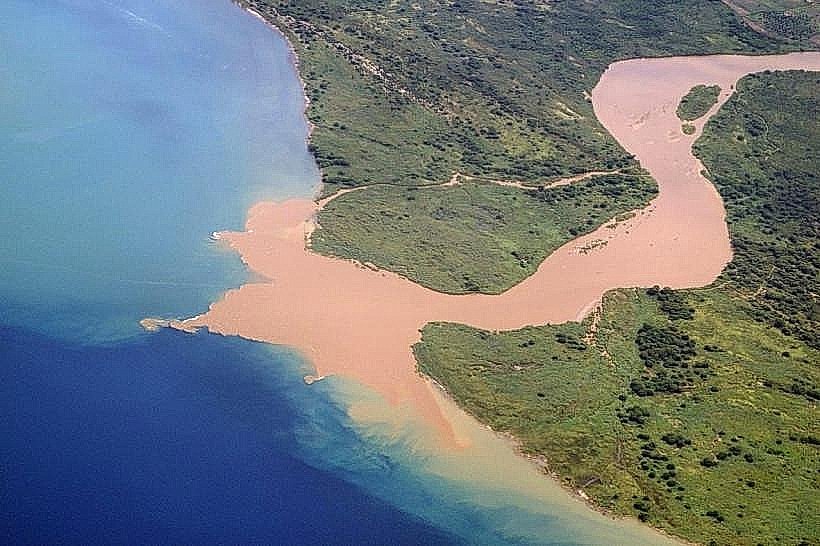
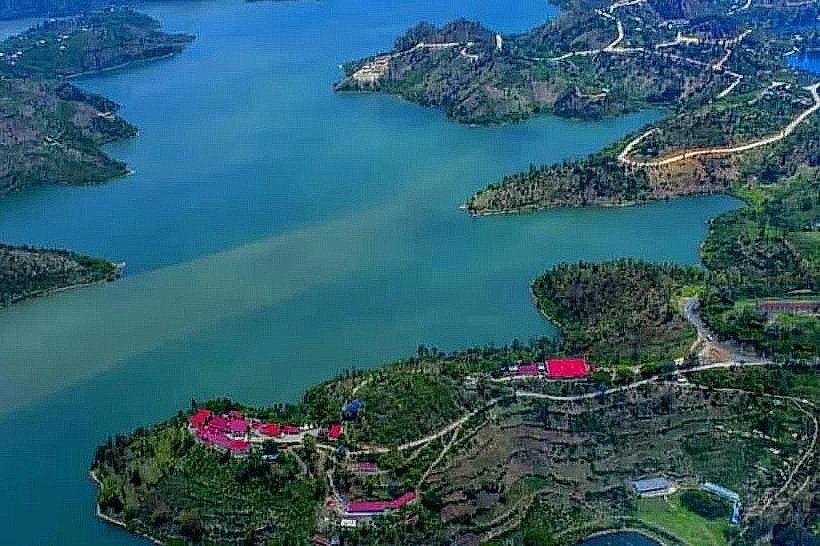
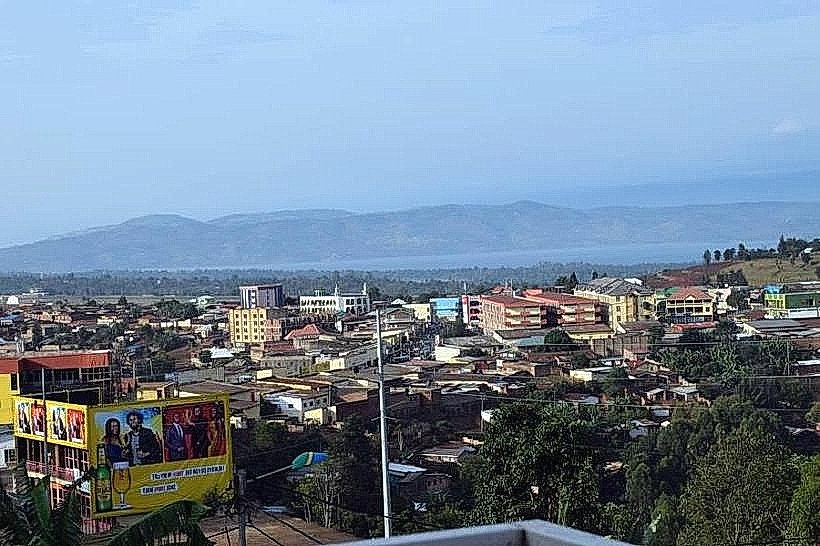
Rusizi serves as Rwanda’s primary southwestern gateway, situated at the confluence of Lake Kivu and the Rusizi River. The city occupies a strategic frontier position directly bordering the Democratic Republic of the Congo (DRC) to the west and Burundi to the south.
Historical Timeline
Founded as Cyangugu during the German colonial administration (1884–1916), the settlement served as a critical southern lakeside port. It remained a vital Belgian administrative post until 1962. The city’s most significant architectural and political reconstruction occurred after 2006, when it was integrated into the larger Rusizi District with Kamembe as its urban core. The primary event shaping the current urban form is the 2002 eruption of Mount Nyiragongo in neighboring Goma, which triggered regional seismic activity and led to modernized building codes and lakefront infrastructure development.
Demographics & Population
The population of the Rusizi District is approximately 485,529 (2022 Census), with roughly 75,000 residents within the urbanized Kamembe-Gihundwe sectors. The median age is 20.2 years. The demographic consists almost entirely of Rwandans, supplemented by a high volume of transient Congolese traders and international NGO personnel.
Urban Layout & Key Districts
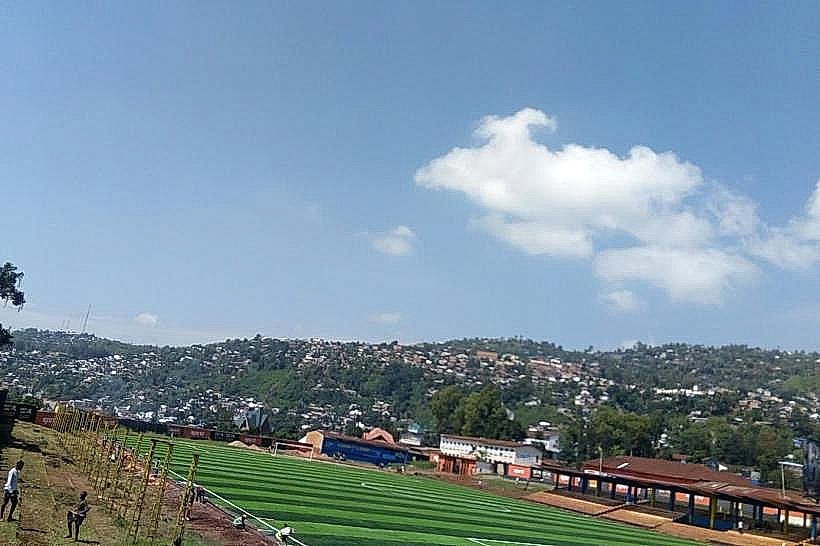
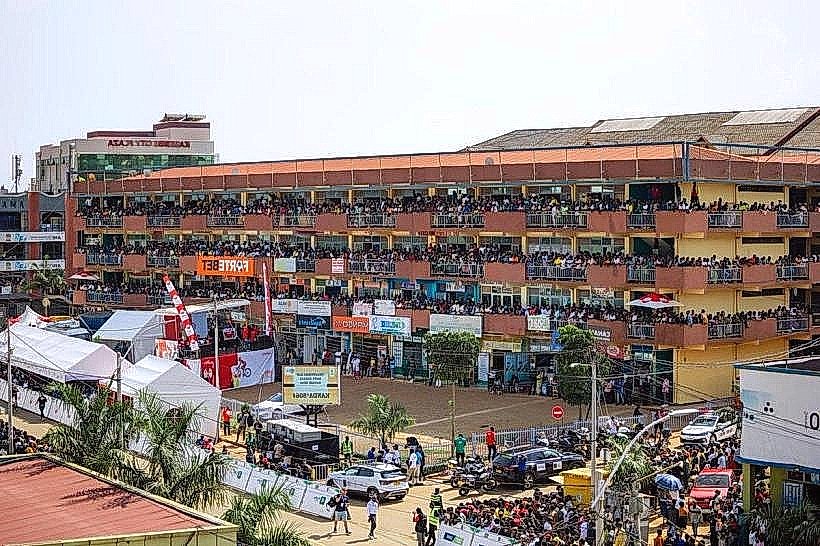
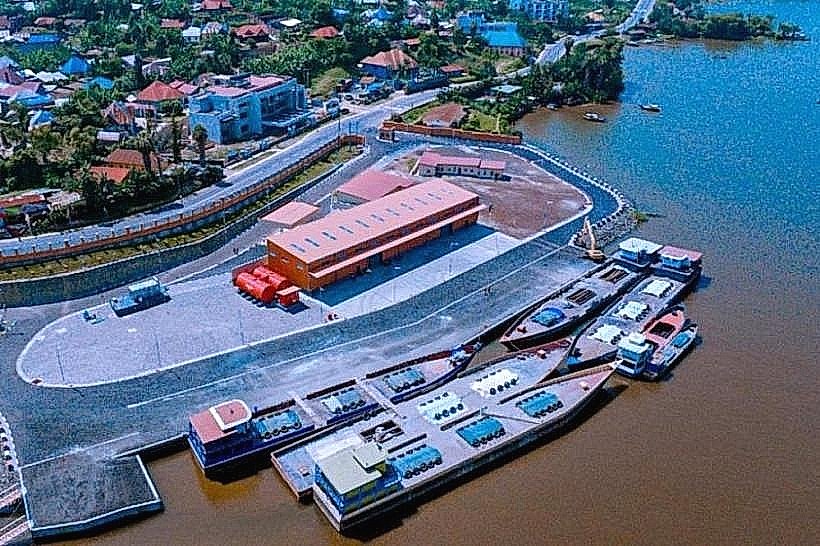
The city is divided topographically into two main zones. Kamembe is the primary commercial and transport district located on the ridge, housing the international airport and main markets. Cyangugu (also known as the Lakefront) is the lower district situated directly on the shore of Lake Kivu, serving as the administrative hub and border crossing to Bukavu, DRC. Gihundwe is a key residential and educational sector located to the north of the center.
Top City Landmarks
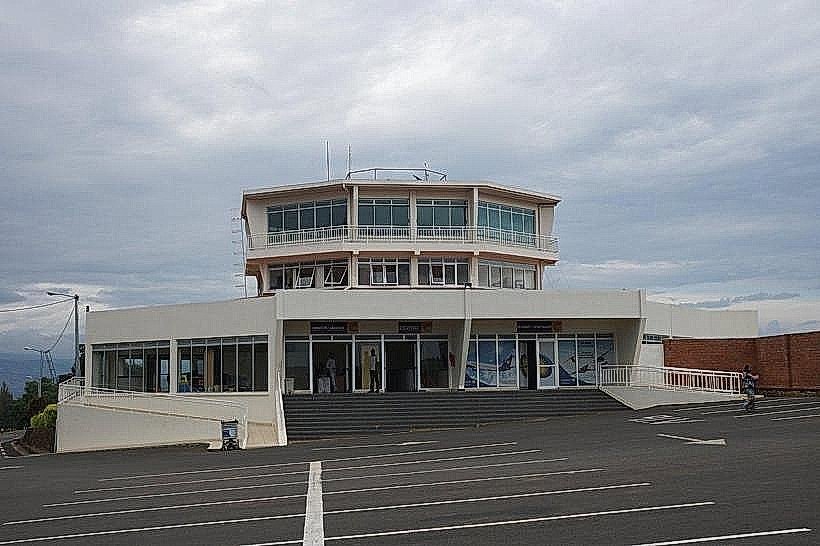
Kamembe International Airport: One of only two international-standard airports in the country.
The Rusizi I Bridge: A vital international artery connecting Rwanda to the Congolese city of Bukavu.
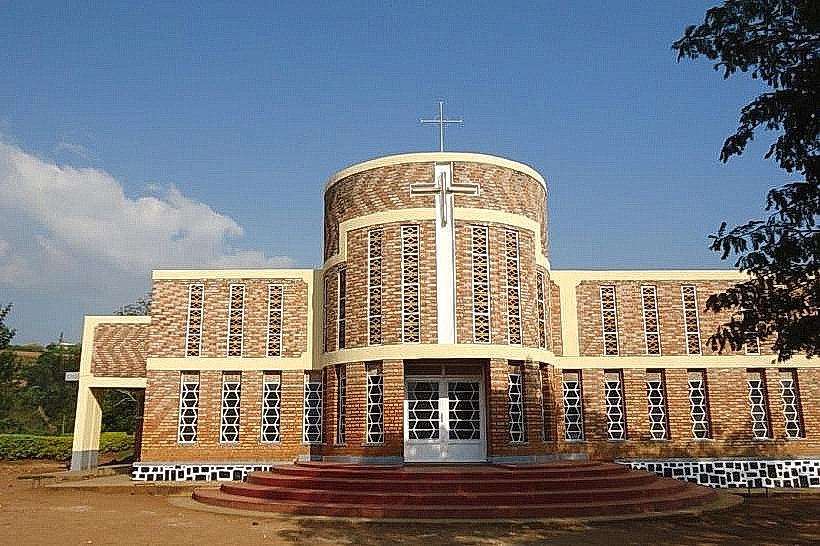
Cyangugu Cathedral: A prominent historical hilltop church overlooking Lake Kivu.
Rusizi River Delta: A natural wetland where the river exits Lake Kivu, serving as a bird-watching site.
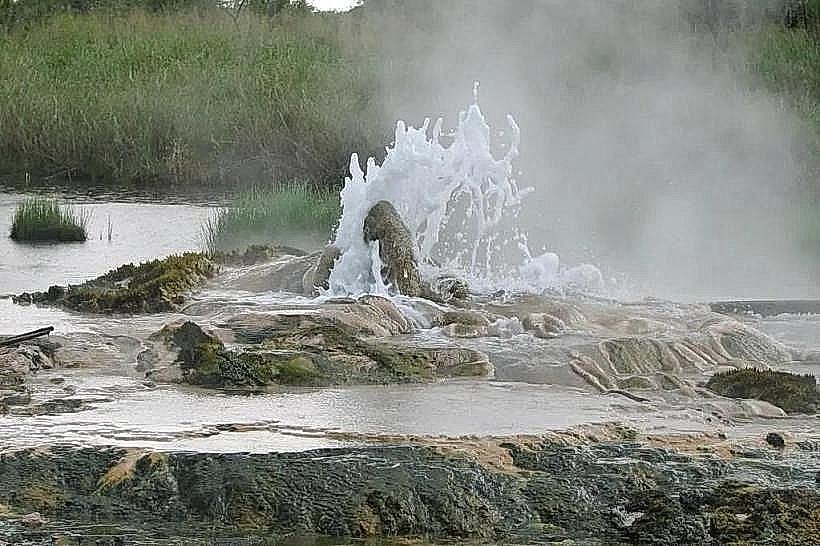
Bugarama Hot Springs: Geothermal springs located on the outskirts of the district, known for their high mineral content.
Transportation Network
Intra-city transit is conducted via Moto-taxis, with drivers wearing green or yellow vests. Official taxis are white with an orange stripe. There is no metro or tram system. Kamembe International Airport provides daily flights to Kigali via RwandAir. Reliable express bus services from Ritco and Volcano Express connect the city to Kigali (6 hours) and Karongi. Traffic density is moderate, with significant pedestrian congestion at the "Petite Barrière" border post.
Safety & "Red Zones"
The general safety level is high, though international travel advisories suggest caution within 10 km of the DRC border due to regional tensions. There are no specific "red zones" for crime, but travelers should avoid the immediate border fence area and unlit residential streets in Gihundwe after dark. Pickpocketing occurs in the Kamembe Market.
Digital & Financial Infrastructure
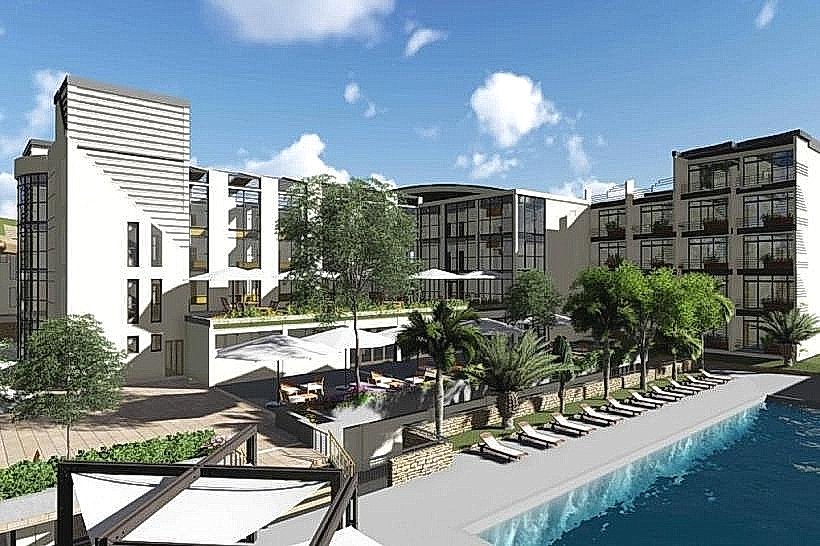
Average internet speed is 20-30 Mbps, with stable 4G LTE coverage from MTN and Airtel. Card acceptance is high at the Mantis Kivu Marina Bay and larger hotels but low in the town center. Bank of Kigali and I&M Bank maintain the primary ATMs in Kamembe and Cyangugu.
Climate & Air Quality
The climate is tropical highland with temperatures ranging from 16°C to 28°C. The region is more humid than central Rwanda due to its lakeside position. Weather risks include heavy thunderstorms during the monsoon seasons (March–May and October–November). Air quality is generally excellent, though smoke from volcanic activity in the DRC can occasionally affect visibility.
Culture & Social Norms
Tipping is not mandatory but 1,000–5,000 RWF is customary for porters and guides. Handshakes are the standard greeting. Dress is conservative; women should cover knees and shoulders in public markets. Public smoking is prohibited in communal areas. The monthly Umuganda (last Saturday of the month) is strictly observed, with all businesses closing until noon.
Accommodation Zones
Stay in Kamembe for immediate access to the airport, bus station, and central markets.
Stay in the Lakefront/Cyangugu for quiet, high-end resorts and proximity to the border.
Local Cost Index
1 Espresso: 2,500 RWF ($1.90 USD)
1 Standard Lunch: 6,000 RWF ($4.55 USD)
1 Bus Ticket (to Kigali): 6,500 RWF ($4.95 USD)
Nearby Day Trips
Nyungwe National Park (Gisakura): 55 km (1 hour) for canopy walks.
Bugarama Hot Springs: 40 km (1 hour) for geothermal baths.
Nyamasheke (Shangi): 55 km (1.2 hours) for historical mission sites.
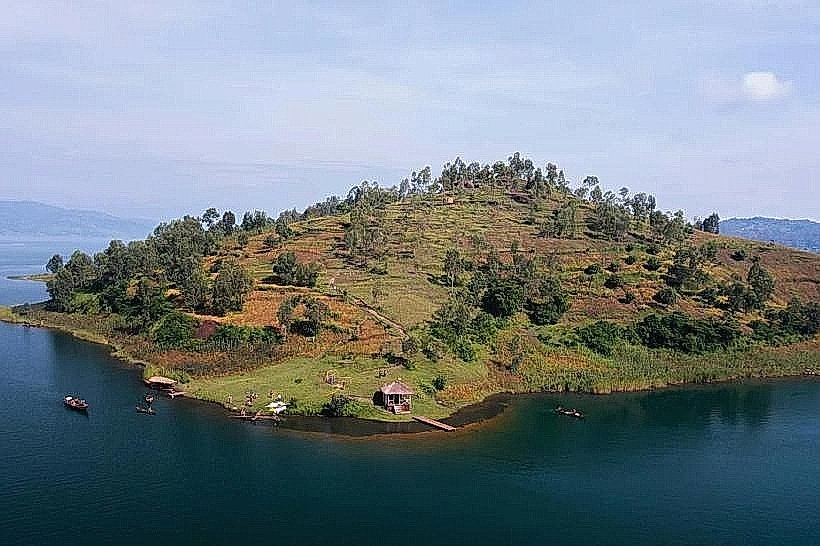
Lake Kivu Islands (Gihaya/Nyamirundi): 20-minute boat ride from the shore.
Facts & Legends
A local historical oddity involves the "Gihaya Island Monster," an urban legend regarding a large, unidentified aquatic creature said to protect the island's shores from invaders during pre-colonial conflicts. Geologically, Rusizi is the site of a rare "methane extraction" phenomenon, where the city's power is partially supplied by gas harvested from the depths of Lake Kivu, a process local myths once attributed to the "breath of the underworld spirits" residing in the lake.