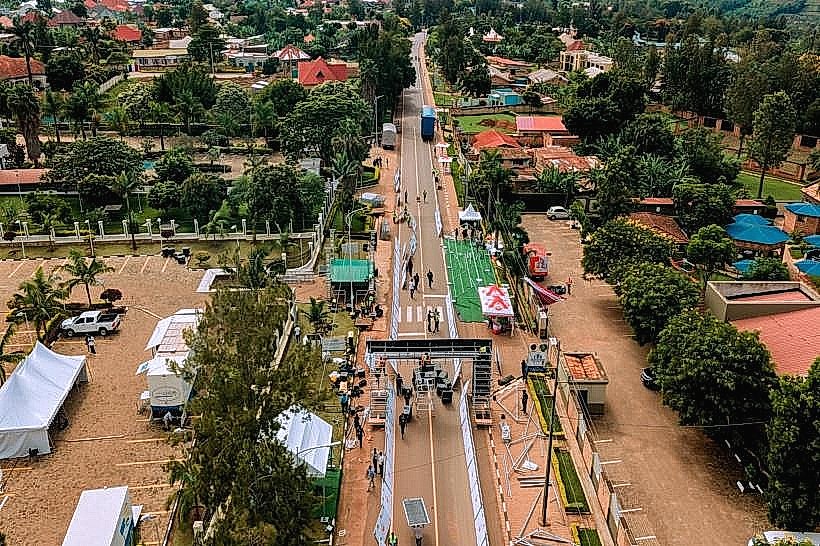
City: Rwamagana
Country: Rwanda
Continent: Africa
Rwamagana, Rwanda, Africa
Rwamagana serves as the administrative capital of the Eastern Province and a major strategic agricultural and transit hub. The city is situated at an elevation of 1,528 meters, approximately 50 kilometers east of Kigali on the primary corridor leading to the Tanzanian border.
Historical Timeline
Rwamagana has a long-standing history as a pre-colonial trading zone, significantly influenced by Arab traders from the Sultanate of Oman who established early commercial networks in the region. Following the colonial eras of Germany and Belgium, the city maintained its status as a key market town. The most significant architectural and administrative reconstruction occurred after 2006, following a national territorial reform that designated Rwamagana as the headquarters of the newly formed Eastern Province. The primary event shaping the current urban form is its ongoing development as a "satellite city" and industrial park zone intended to decongest the national capital.
Demographics & Population
The total population of the Rwamagana district is approximately 484,953 (2022 Census), with the urban center housing roughly 60,000 residents. The demographic is predominantly Rwandan, but the city is notable for its "Uswahilini" suburb, inhabited by descendants of Omani Arab traders. The median age of the population is approximately 19.6 years.
Urban Layout & Key Districts
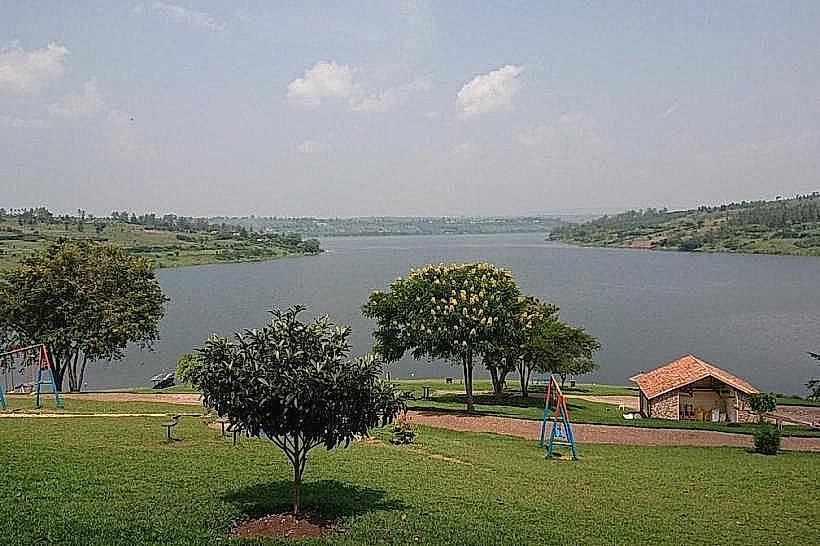
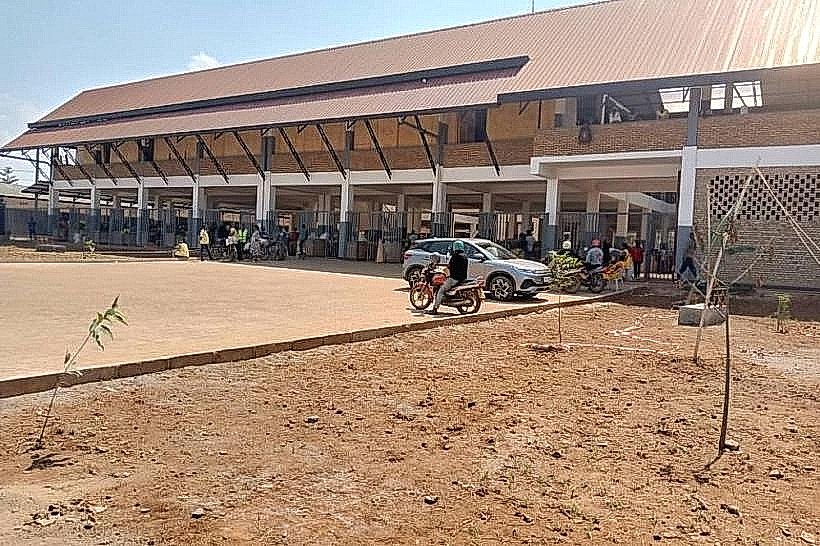
The city is organized along the main RN3 highway, which serves as the primary commercial axis. The Provincial Hub contains the main administrative offices and the modern central market. Uswahilini is the historic residential and cultural district to the north of the center, known for its mosques and Swahili-influenced commerce. Gishali, located to the northwest near Lake Muhazi, is the primary zone for high-end lakeside recreation and the national police academy.
Top City Landmarks
Falcon Golf Club: A premier sporting facility located on the shores of Lake Muhazi.
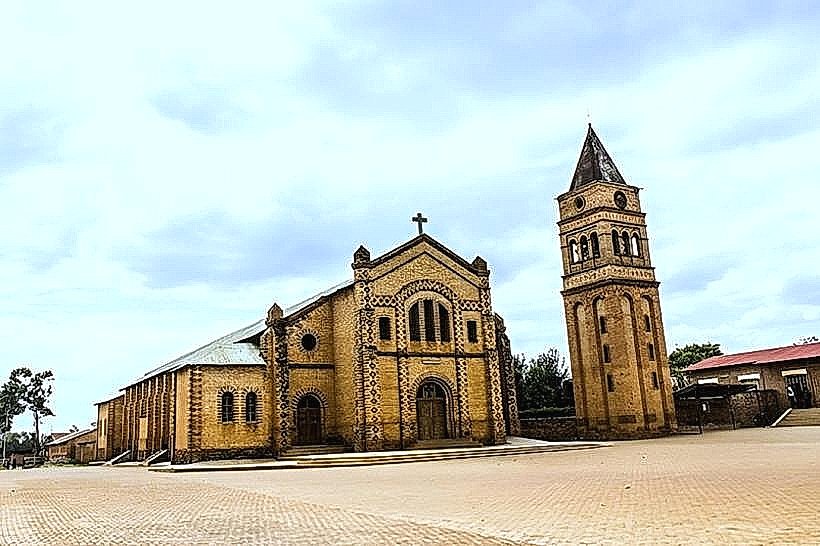
Uswahilini Mosque: A significant architectural landmark reflecting the city’s historic Arab-Omani influence.
Rwamagana Industrial Park: A rapidly expanding 80-hectare zone representing the city's economic future.
Rwamagana District Hospital: A major regional medical facility known for its distinctive colonial-era foundations and modern expansions.
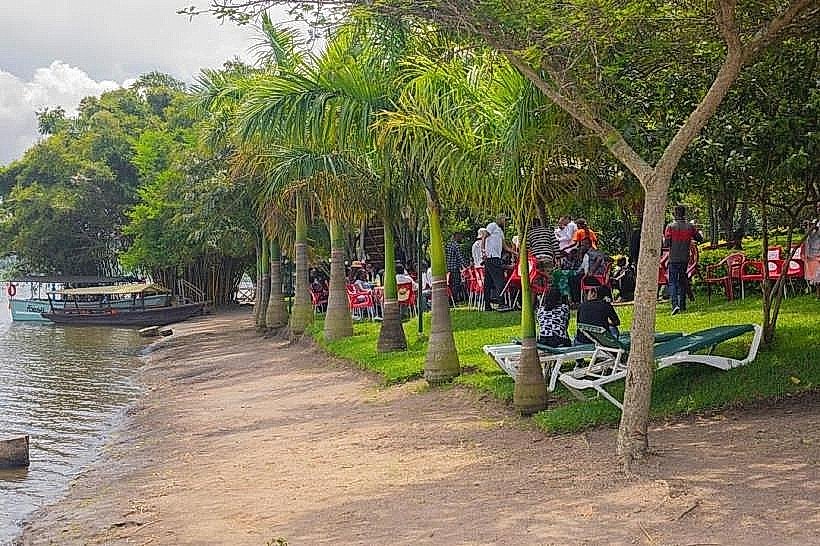
Lake Muhazi Shoreline: A series of developed beach facilities and eco-resorts located 10km from the city center.
Transportation Network
Intra-city transit is uniquely dominated by Bicycle-taxis, as Rwamagana is widely considered the "Cycling Capital" of Rwanda. Moto-taxis, identifiable by their green or yellow vests, provide faster transit on the hills. There is no metro or tram system. Reliable express buses from Ritco and Stella Express connect the city to Kigali (1 hour) and Kayonza. Traffic density is moderate, though the main highway experiences high volumes of heavy freight transit.
Safety & "Red Zones"
Rwamagana is categorized as one of the safest provincial capitals in Rwanda. There are no specific "red zones" or neighborhoods to avoid. Minor opportunistic theft can occur in the crowded Rwamagana Central Market during the weekly trade fairs. Pedestrian caution is advised on the RN3 highway at night due to the high volume of international transport trucks.
Digital & Financial Infrastructure
Average internet speed is 20-30 Mbps, with consistent 4G LTE coverage from MTN and Airtel. Card acceptance is moderate in lakeside resorts and the provincial hub but low in local retail shops. Bank of Kigali and I&M Bank maintain the primary international ATMs in the commercial center.
Climate & Air Quality
The climate is tropical semi-arid, with temperatures typically ranging from 16°C to 28°C. The region is generally warmer and drier than the western highlands. Air quality is excellent, aided by lake breezes, though seasonal dust is common during the long dry season (June–August).
Culture & Social Norms
Tipping is not standard, but 300–500 RWF is common for bicycle-taxi operators. The standard greeting is a formal handshake. Due to the historic Arab influence, the Uswahilini district has a unique sub-culture where Kiswahili is widely spoken alongside Kinyarwanda. Dress code is conservative, especially when visiting religious sites. Public smoking is generally restricted to designated areas.
Accommodation Zones
Stay in the City Center (Kigabiro) for logistical proximity to the bus station, banks, and markets.
Stay in Gishali (Lake Muhazi) for high-end resorts, golf access, and a quiet, lakeside environment.
Local Cost Index
1 Espresso: 2,000 RWF ($1.50 USD)
1 Standard Lunch: 4,500 RWF ($3.40 USD)
1 Bicycle-taxi (Short trip): 300 RWF ($0.25 USD)
Nearby Day Trips
Kigali: 50 km (1 hour) for the national capital's amenities.
Akagera National Park: 65 km (1.5 hours) for wildlife safaris.
Kayonza: 15 km (20 mins) for the Imigongo Art Center.
Lake Muhazi: 10 km (15 mins) for boating and recreation.
Facts & Legends
Rwamagana is the undisputed home of Rwandan cycling, having produced more international professional cyclists than any other district in the country. A local urban legend suggests that the coffee served in the small cups of the Uswahilini district contains a "secret trader's spice" brought by the original Omani settlers, which supposedly grants the drinker the stamina required to navigate the city's steep hills by bicycle.