City: Saint Louis
Country: Senegal
Continent: Africa
Saint Louis, Senegal, Africa
Saint-Louis serves as a critical cultural and educational center in northern Senegal, situated at the mouth of the Senegal River. It functions as the administrative capital of the Saint-Louis Region and occupies a strategic geographic position near the border with Mauritania.
Historical Timeline
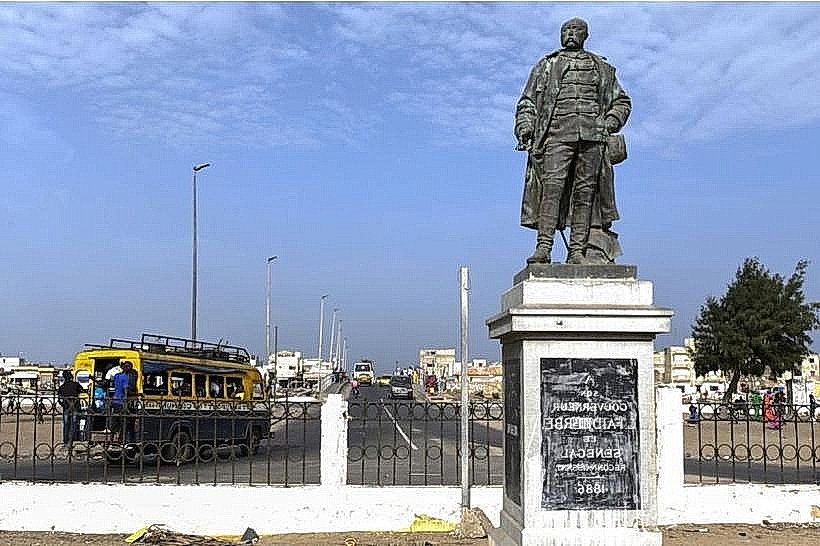
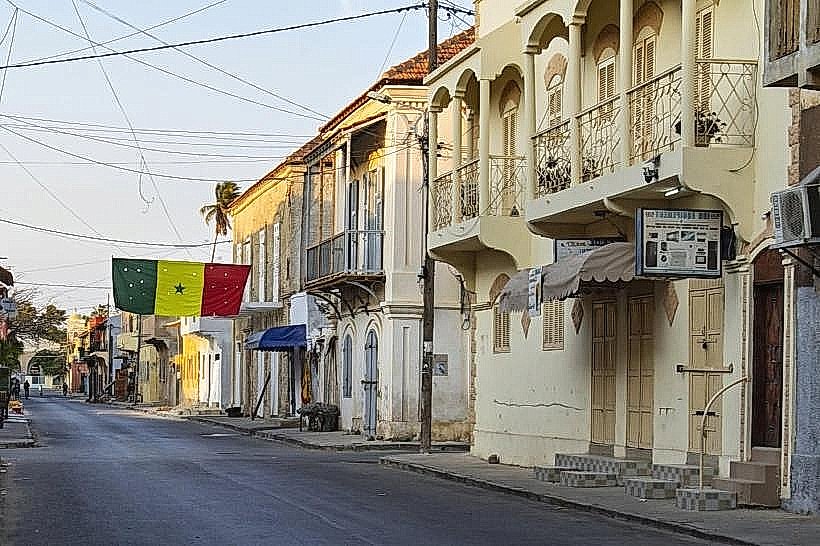
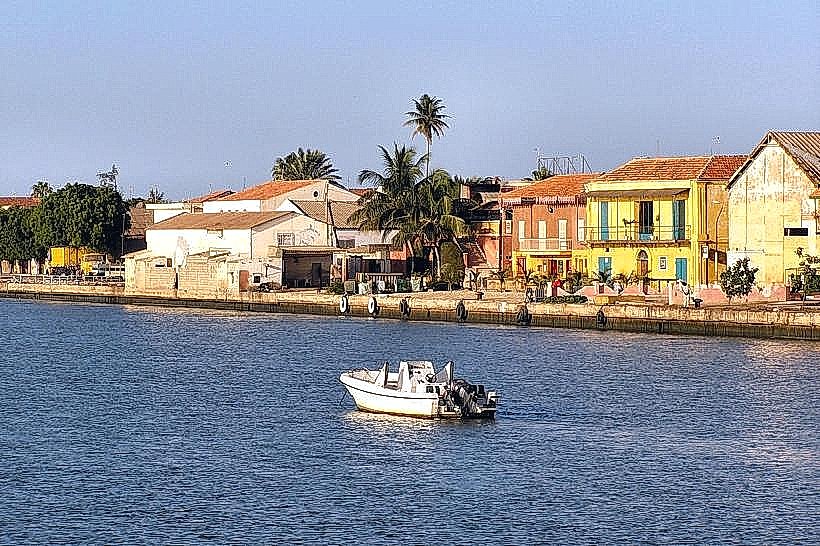
Founded in 1659 by French traders, Saint-Louis was the first permanent French settlement in West Africa. It served as the capital of the French colony of Senegal and later the capital of French West Africa from 1895 to 1902. The most significant architectural reconstruction occurred during the mid-19th century under Governor Louis Faidherbe. The primary event shaping the current urban form was the 19th-century colonial grid planning on the central island, which was designated a UNESCO World Heritage site in 2000.
Demographics & Population
The total population within the city limits is approximately 260,000. The top three ethnic demographics are the Wolof, Fula (Pulaar), and Maures. The median age is approximately 18.5 years.
Urban Layout & Key Districts
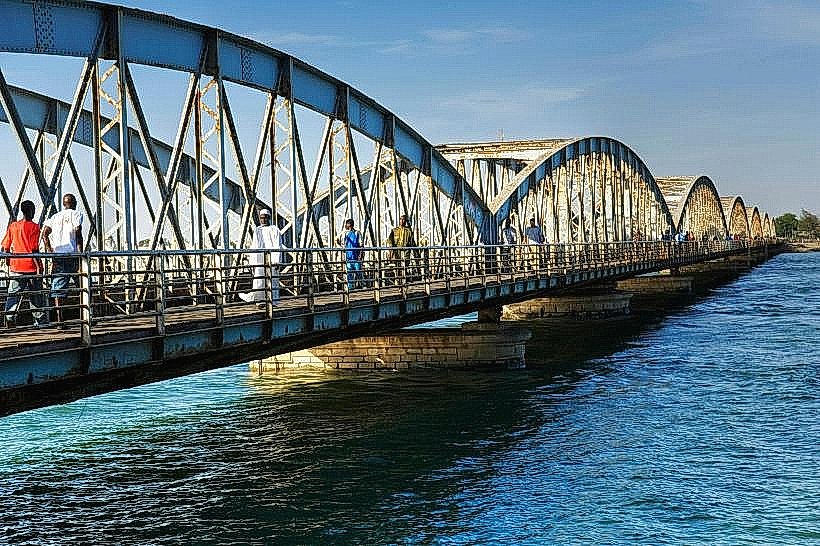
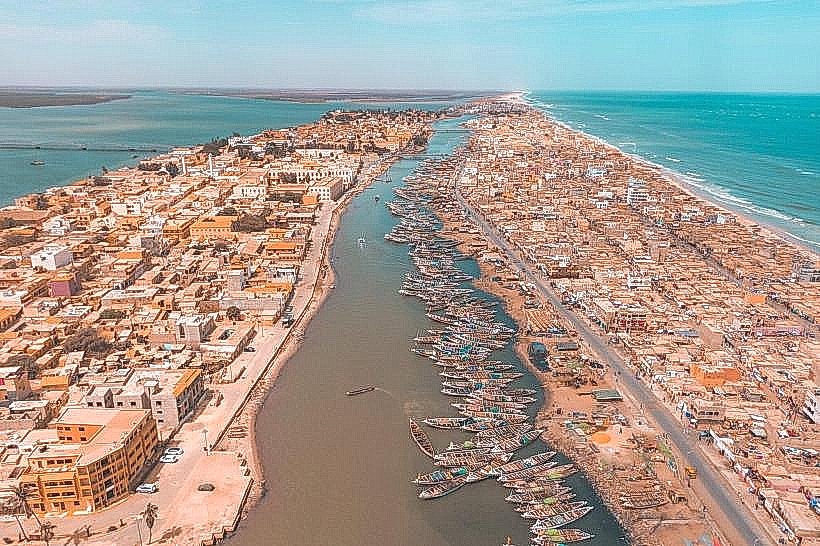
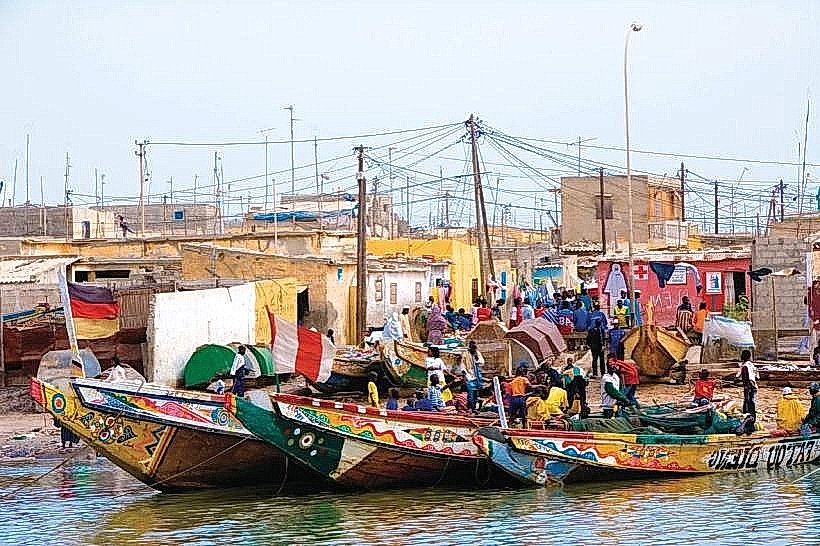
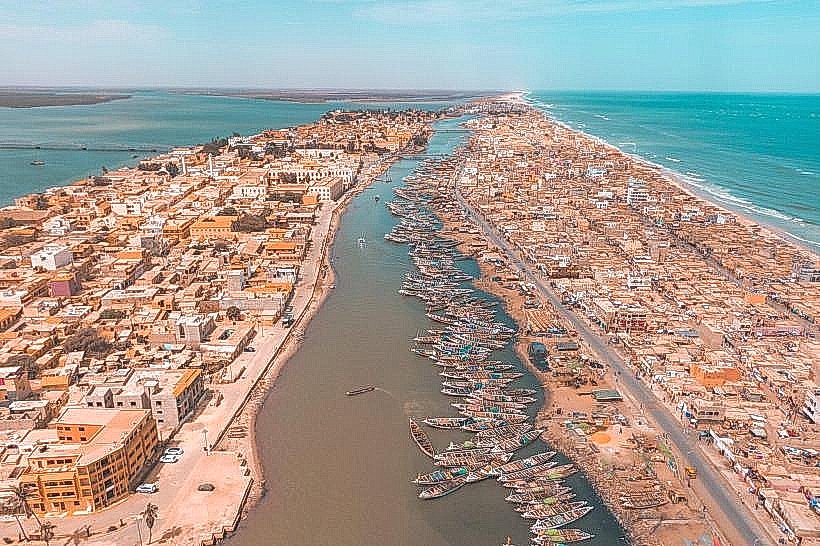
The city is divided into three distinct zones. The Island (L'Île) is the historic colonial heart connected to the mainland by the Faidherbe Bridge. Langue de Barbarie (West) is a thin sandy peninsula between the river and the Atlantic, housing the fishing district of Guet N'Dar. Sor (East) is the mainland area containing the railway station and commercial markets.
Top City Landmarks
Faidherbe Bridge (Pont Faidherbe)
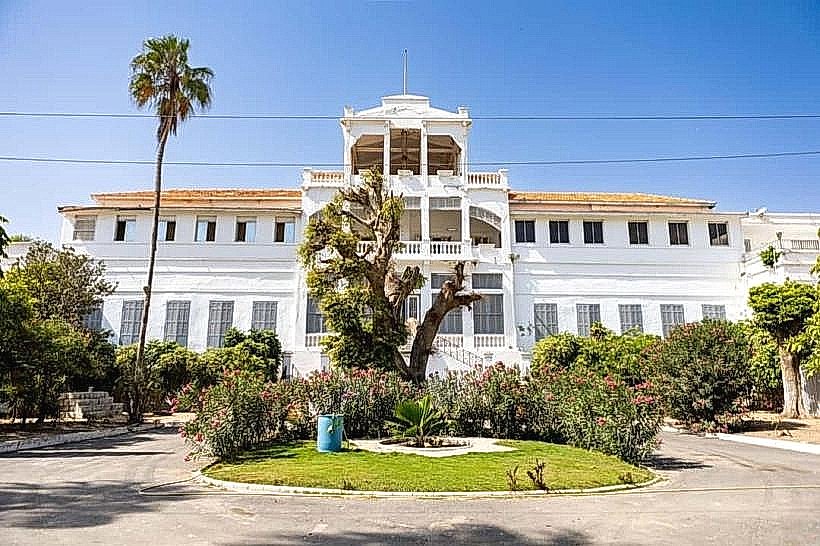
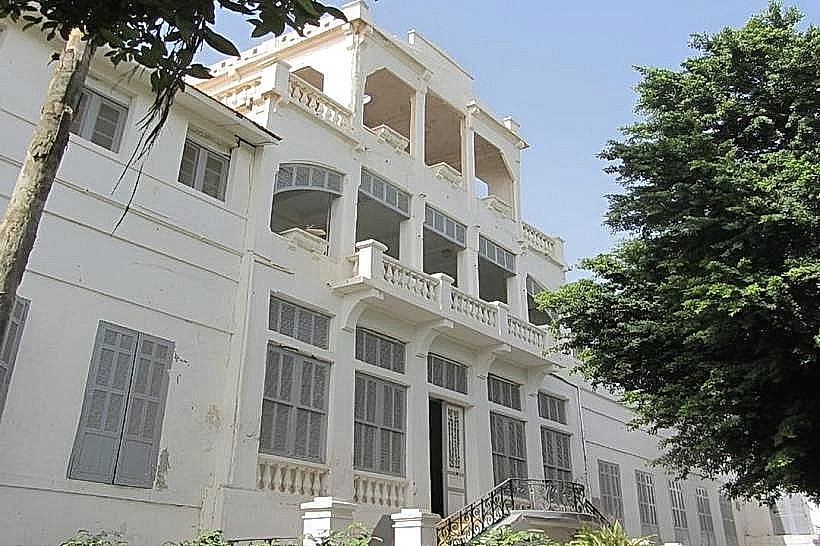
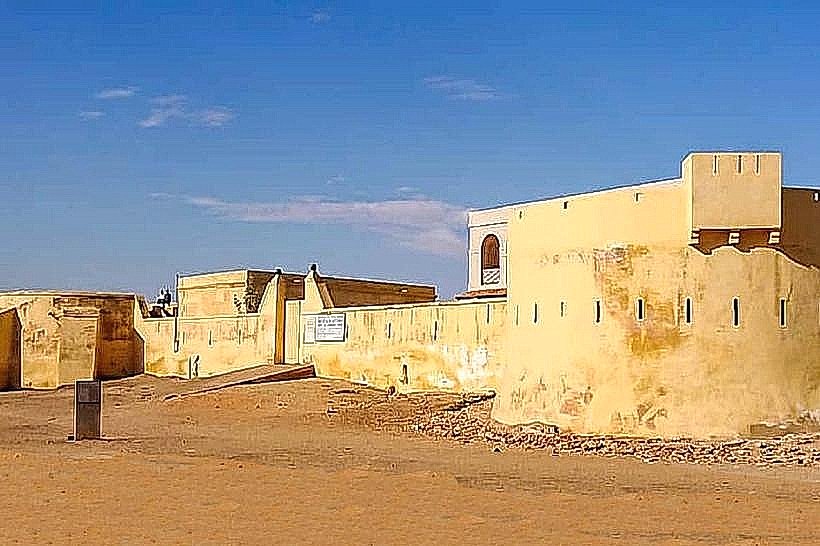
Governors Palace (Gouvernance)
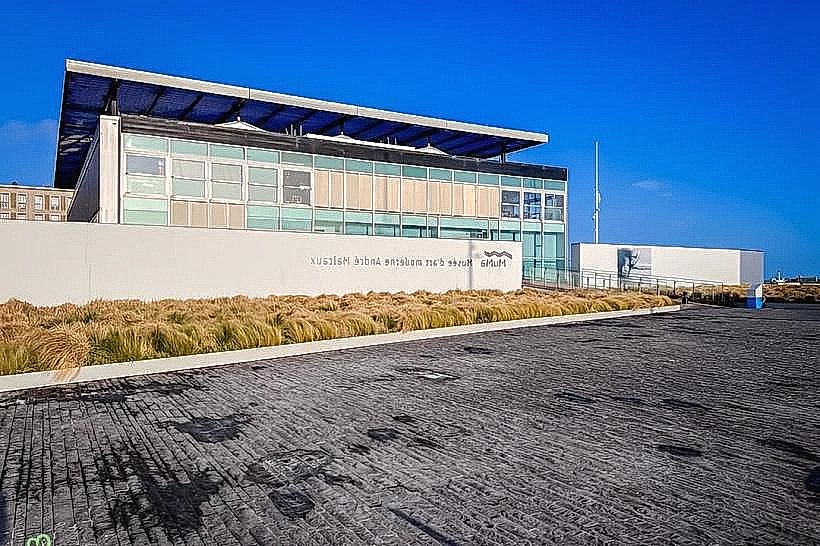
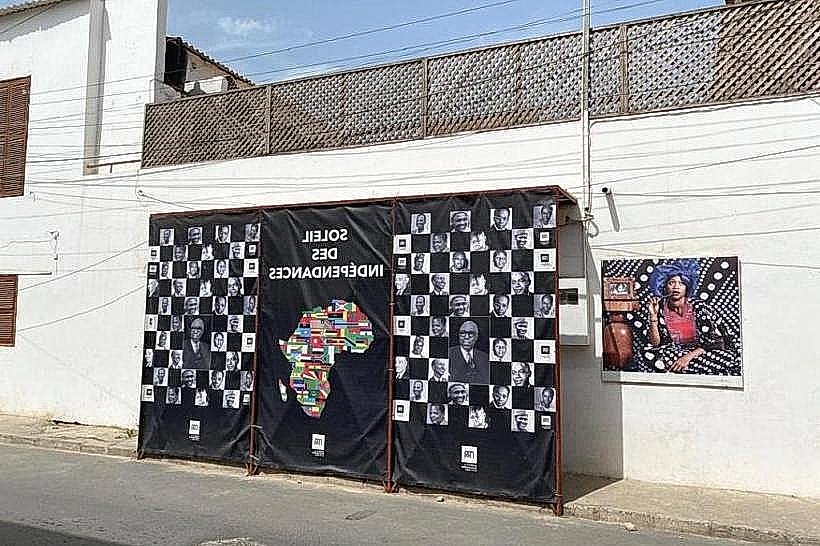
MuCEM (Research center and museum)
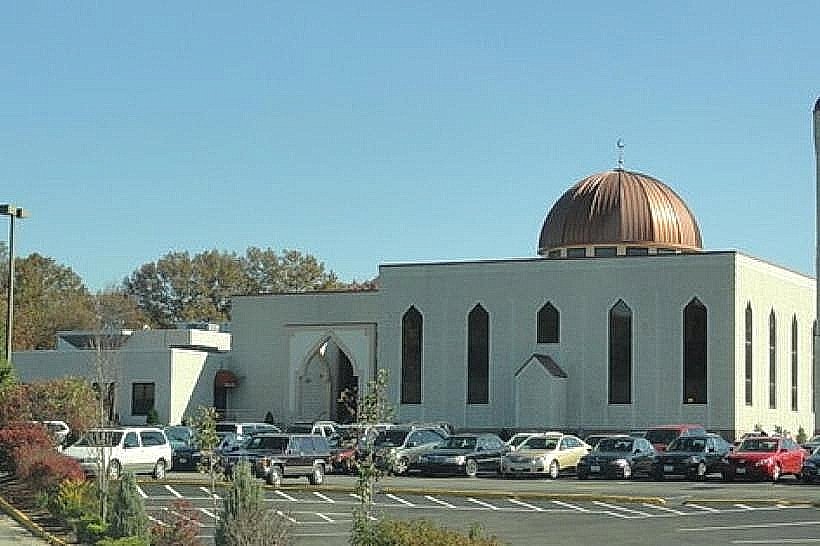
Great Mosque of the North
Transportation Network
Movement within the city is primarily conducted via "Clandos" (unmarked shared taxis) and horse-drawn carriages (caleches), which are common for transporting goods and people on the Island. There are no Metro or Tram systems. Ride-sharing apps are not reliably established. Official taxis are yellow and black and require price negotiation. Traffic density is high at the Faidherbe Bridge, the city's primary bottleneck.
Safety & "Red Zones"
The general safety level is high. Visitors should exercise caution in the Guet N'Dar fishing district at night due to overcrowding and poor lighting. Common scams include "guides" following tourists across the bridge and aggressive souvenir hawking in the historic center.
Digital & Financial Infrastructure
Average fixed broadband speed is 20-40 Mbps. Main mobile carriers are Orange and Free. Card acceptance is low, restricted to major hotels and high-end restaurants. ATMs are located primarily in the Sor district and near the entrance to the Island.
Climate & Air Quality
Temperatures range from 15°C to 30°C from December to March and 23°C to 35°C during the humid season from July to October. The city faces significant weather risks from coastal erosion and rising sea levels. Air quality is generally better than in Dakar due to ocean breezes, though dust is prevalent during the Harmattan season.
Culture & Social Norms
Tipping is discretionary but appreciated (approx. 5-10%). A handshake is the standard greeting. Conservatism is high; modest dress is expected, especially when entering the Sor markets or religious sites. Public consumption of alcohol is generally restricted to hotels and licensed tourist establishments.
Accommodation Zones
The Island (L'Île): Stay here for logistical proximity to historical sites, colonial architecture, and the most reliable internet and dining options.
Langue de Barbarie (Hydrobase): Stay here for quiet access to the beach and eco-lodges located south of the dense fishing quarters.
Local Cost Index
1 Espresso: 1,200 XOF (2.00 USD)
1 Standard Lunch: 2,500 XOF (4.15 USD)
1 Metro/Bus Ticket: 150 XOF (0.25 USD) - local minibus/shared taxi fare.
Nearby Day Trips
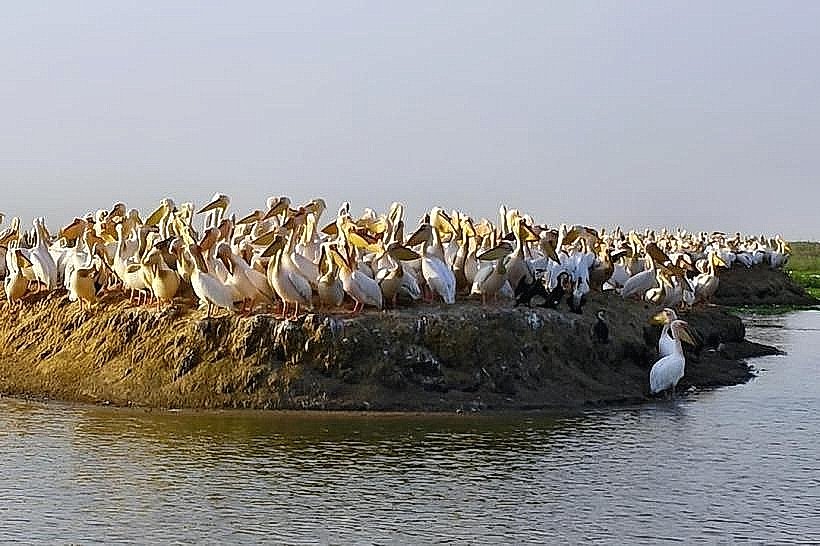
Djoudj National Bird Sanctuary: 60 km
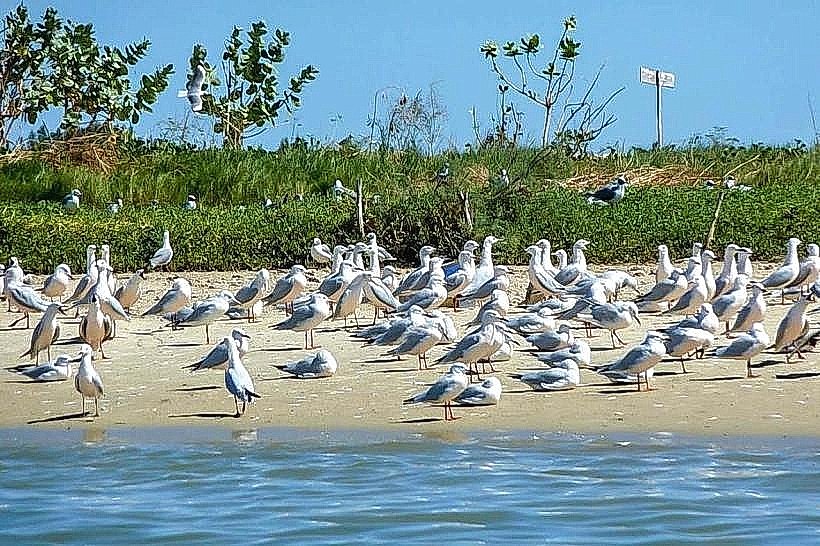
Langue de Barbarie National Park: 18 km
Richard-Toll: 105 km
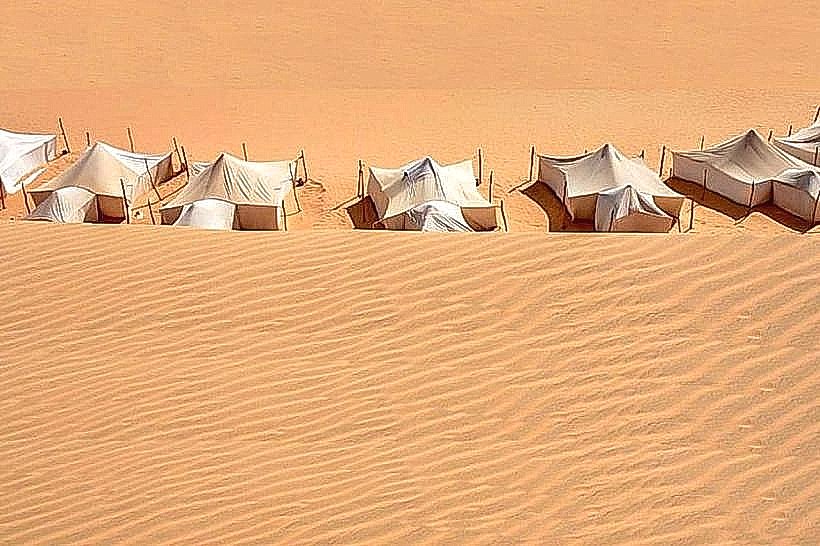
Lampoul Desert: 100 km
Facts & Legends
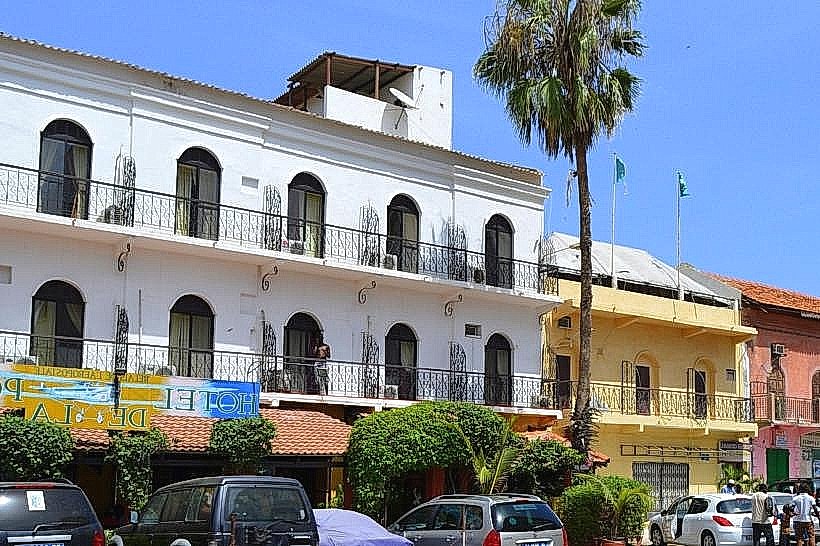
Saint-Louis was once the African terminus for the Aéropostale airmail service. An urban legend persists regarding the ghost of Jean Mermoz, the famous French aviator who stayed at the Hotel de la Poste; some locals and staff claim he still occupies his regular room. Historically, the city is also defined by the "Signares," powerful and wealthy Afro-French women of the 18th and 19th centuries who controlled much of the local economy and social hierarchy.