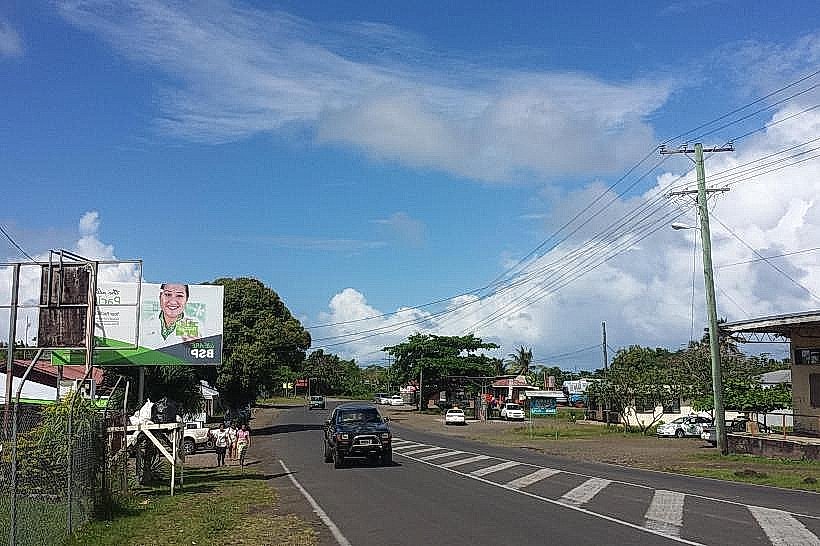
City: Saleaula
Country: Samoa
Continent: Australia
Saleaula, Samoa, Australia
Saleaula is a historic coastal village in the Gaga'emauga district on the central northern coast of Savai'i. It is globally recognized as the site of the most significant geological event in modern Samoan history, located between the village of Safai to the east and Mauga to the west.
Historical Timeline
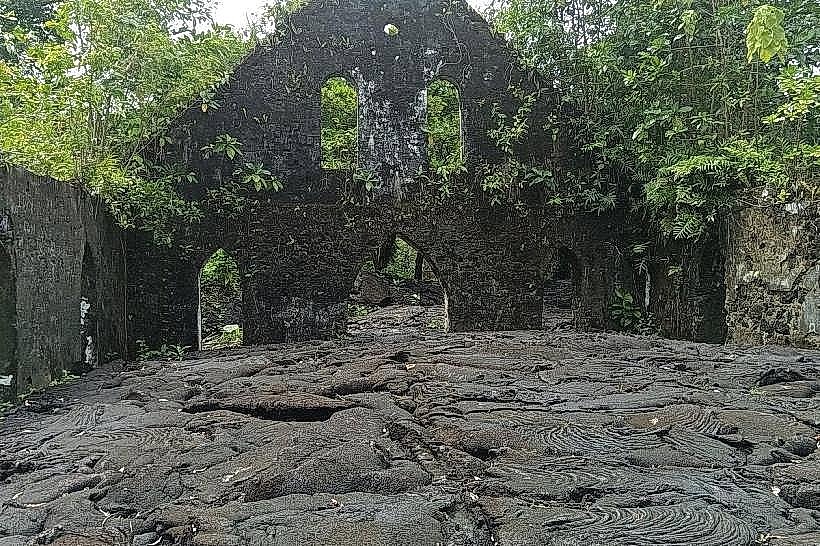
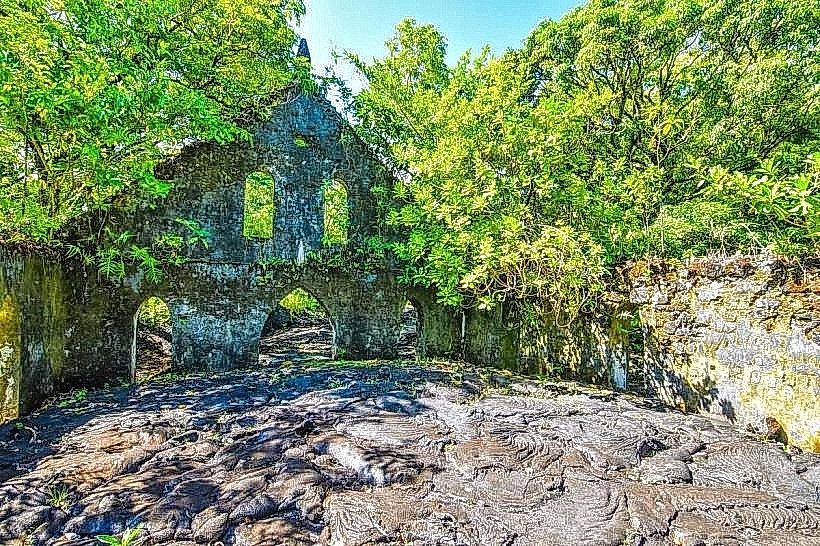
The village was founded as a traditional settlement and governed by the local matai councils for centuries. The primary event shaping its current urban form was the eruption of Mount Matavanu between 1905 and 1911. The slow-moving lava flows completely buried the original village, destroying homes and religious structures. This forced the permanent relocation of the population to its current site on the edges of the solidified basalt fields and to parts of Upolu (notably the village of Leauva'a).
Demographics & Population
The village has a population of approximately 600 residents. The demographics are 99% ethnic Samoan. The median age is approximately 22 years, mirroring the national trend toward a youthful population in rural districts.
Urban Layout & Key Districts
Saleaula is organized linearly along the Main North Coast Road. The village is physically divided by the vast Matavanu Lava Field, which separates the newer residential zones from the historical coastal ruins. The "Lava Field Ruins" is the primary district for visitors (North), while the residential and agricultural sections extend southward.
Top City Landmarks
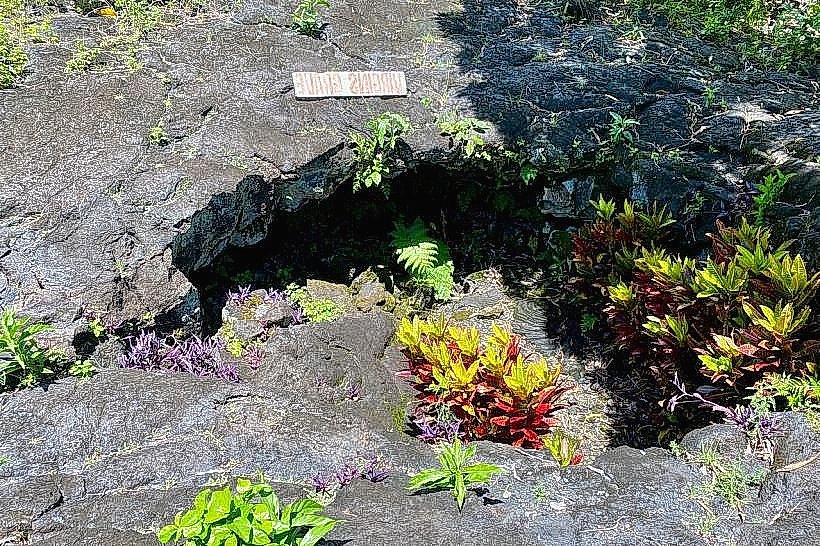
The Virgin’s Grave (an untouched patch of land amidst the lava)
The Ruined LMS Church (basalt-filled remains of the London Missionary Society church)
The Matavanu Lava Fields
Saleaula Coastal Walkway
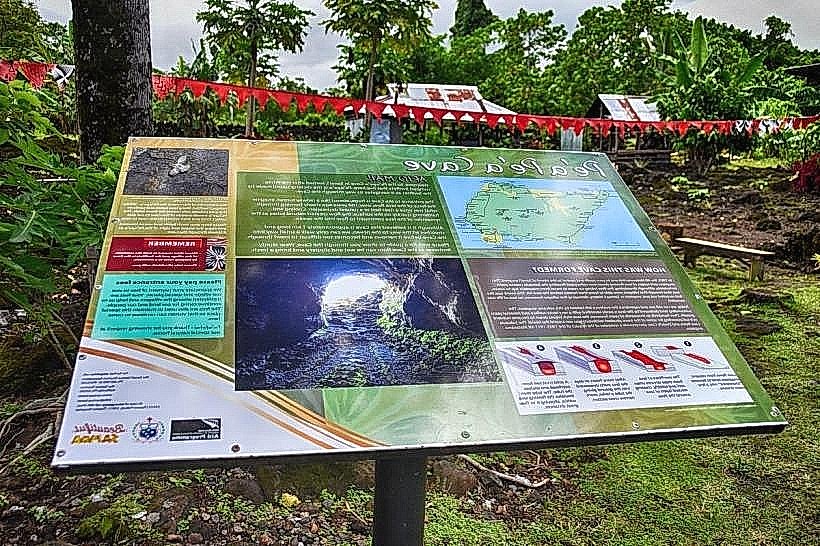
The Pe'ape'a Cave (lava tube)
Transportation Network
Movement is conducted via private vehicles or the Savai'i island bus system. Buses run frequently from the Salelologa ferry terminal toward the north coast. There is no rail or formal metro system. Taxis are available through phone bookings from larger hubs; official taxis are white. Traffic is minimal, consisting primarily of tourist transport and local residential transit.
Safety & "Red Zones"
The village is extremely safe. There are no "red zones." The primary safety risk is physical: the lava fields are composed of jagged, unstable basalt rock that can cause injury if traversed without proper footwear. Cultural protocol requires visitors to pay a small entrance fee to the village council to access the ruins.
Digital & Financial Infrastructure
Internet speeds average 20 Mbps on 4G/LTE networks. Vodafone and Digicel are the main carriers. Card acceptance is non-existent; all local transactions, including entry fees to historical sites, require cash. There are no ATMs in Saleaula; the nearest banking services are in Salelologa.
Climate & Air Quality
Temperatures range from 24°C to 31°C. Air quality is pristine. The basalt lava fields retain significant heat, making the ground temperature in the ruins district considerably higher than in the shaded residential areas. Rainfall is frequent during the wet season (November–April).
Culture & Social Norms
Tipping is not expected. A handshake is the standard greeting. Dress code is conservative; shoulders and knees must be covered when walking through the village. It is strictly forbidden to remove basalt rocks or artifacts from the lava field ruins, as the site is considered sacred and a memorial to the original settlement.
Accommodation Zones
Manase (Adjacent): Most visitors stay in the neighboring village of Manase (10 minutes west) which offers beach fales and resorts.
Saleaula Coastal: Limited traditional guesthouses are available for those seeking direct proximity to the lava fields.
Local Cost Index
Espresso: 8.50 WST ($3.15)
Standard Lunch: 25.00 WST ($9.25)
Lava Field Entry Fee: 5.00 - 10.00 WST ($1.85 - $3.70)
Nearby Day Trips
Mount Matavanu Crater: 15 km (Requires a 4WD vehicle and a 45-minute drive).
Manase Beach: 8 km (10-minute drive).
Paia Dwarfs Cave: 12 km (20-minute drive).
Sato'alepai Turtle Sanctuary: 5 km (7-minute drive).
Facts & Legends
The most famous legend of Saleaula concerns the "Virgin's Grave." During the 1905 eruption, the lava flow allegedly parted and flowed around the grave of a high chief’s daughter, leaving her burial site completely untouched while the surrounding church and village were buried in meters of molten rock. Geologists attribute this to the cooling patterns and the depth of the grave's foundation, but it remains a central spiritual site for the village.