Country: Samoa
Continent: Australia
Samoa, Australia
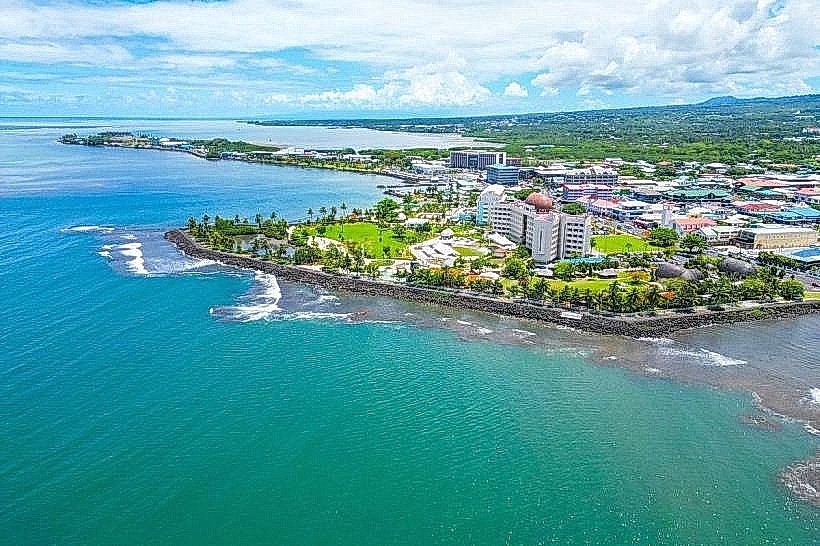
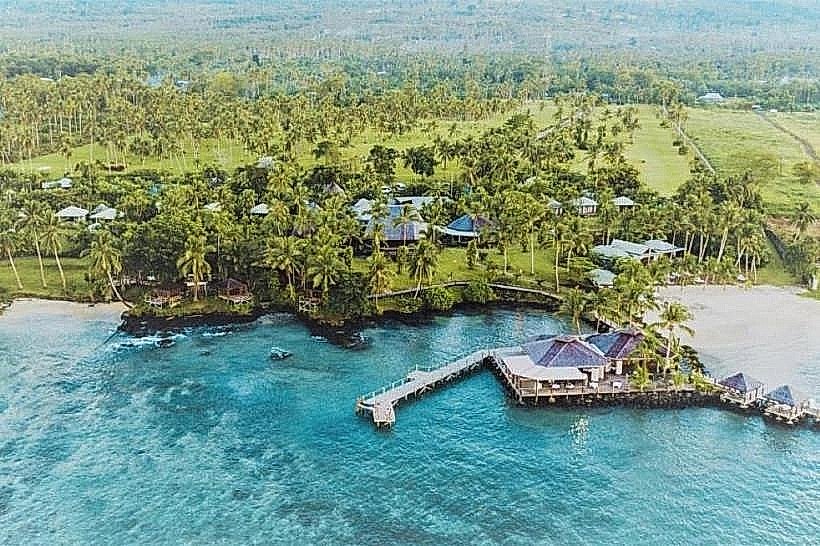
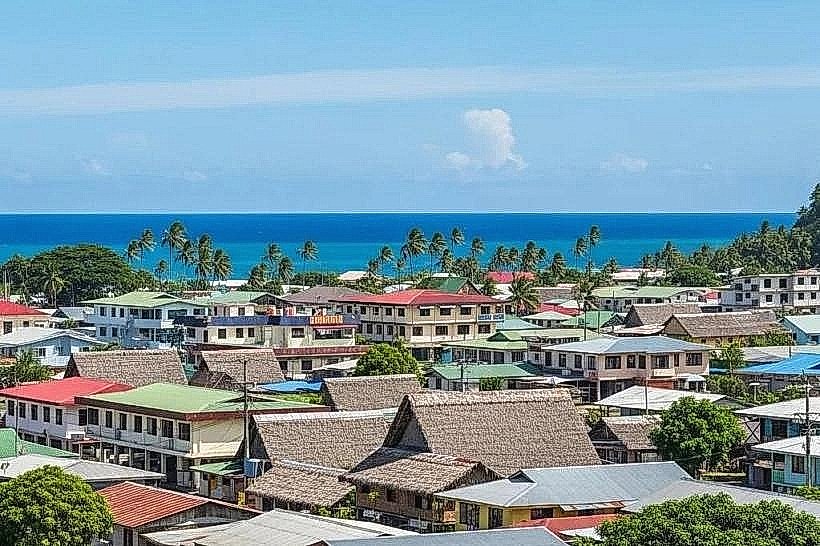
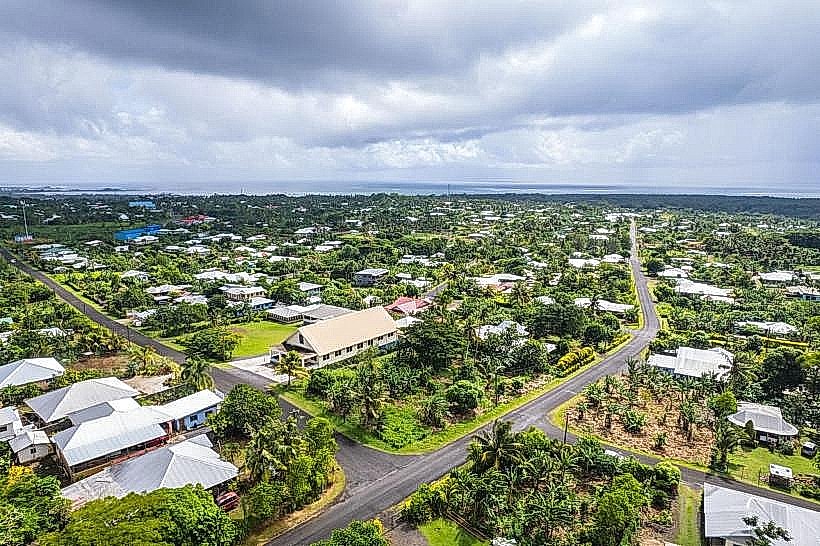
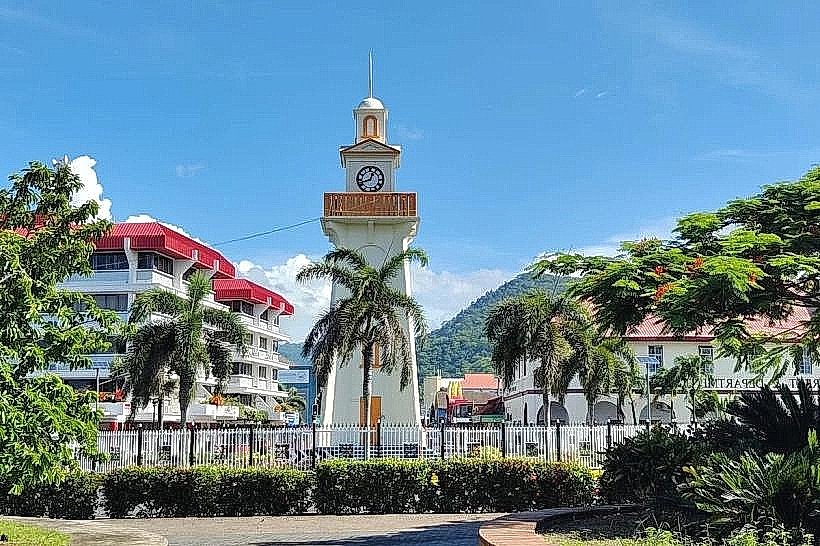
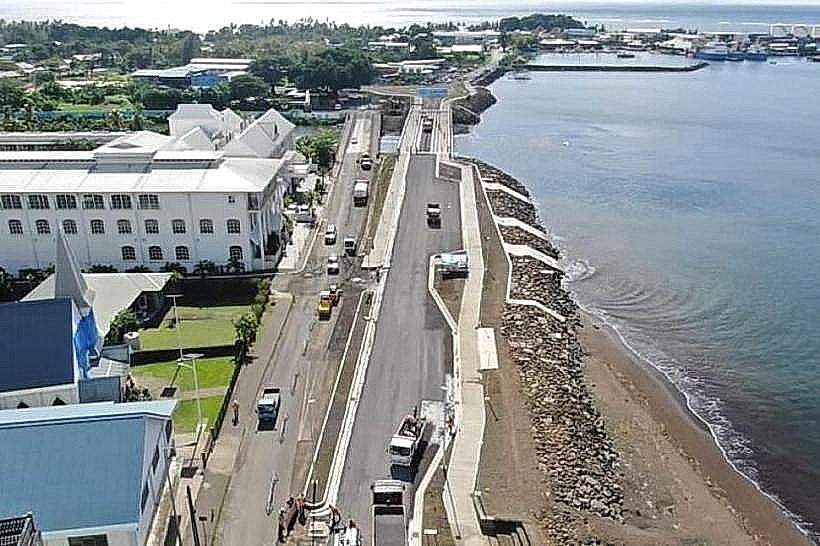
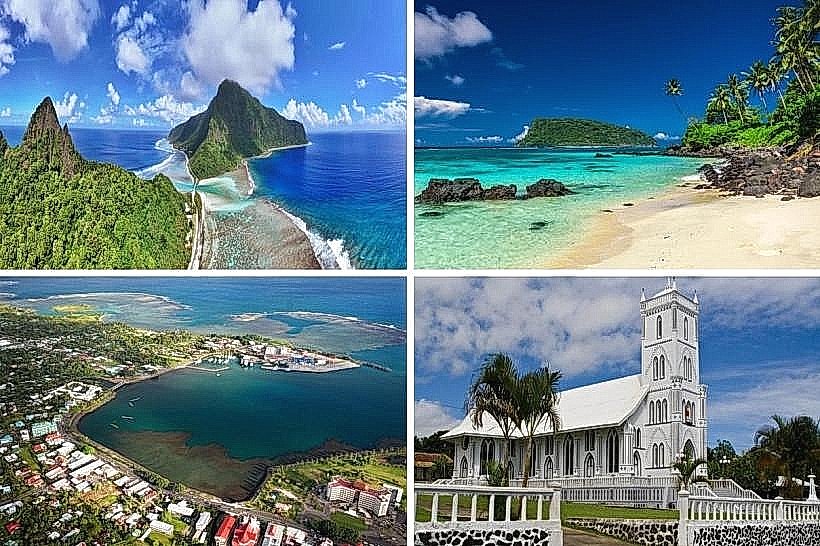
Samoa is an island nation located in the South Pacific Ocean, approximately halfway between Hawaii and New Zealand, consisting of two main islands (Savai'i and Upolu) and several smaller islets. The country is defined by its volcanic archipelago geography and an economy heavily reliant on personal remittances, development aid, and agricultural exports, with Apia serving as the capital city.
History & Culture
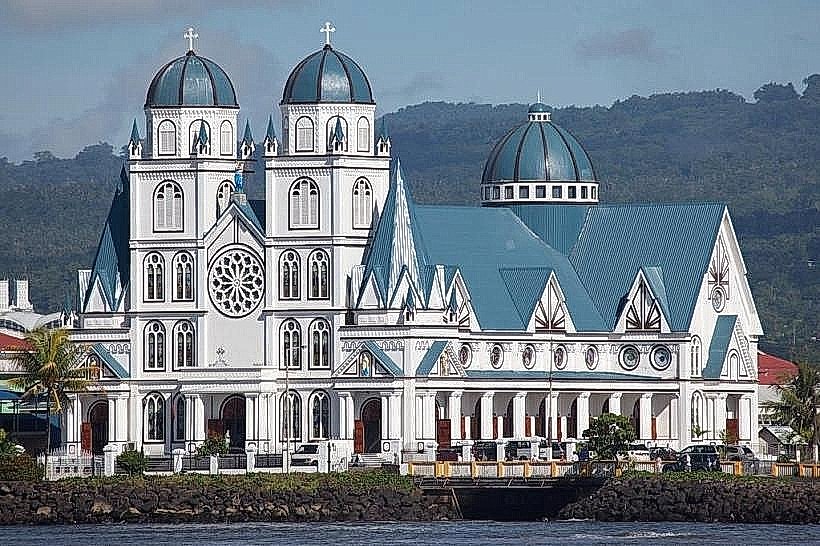
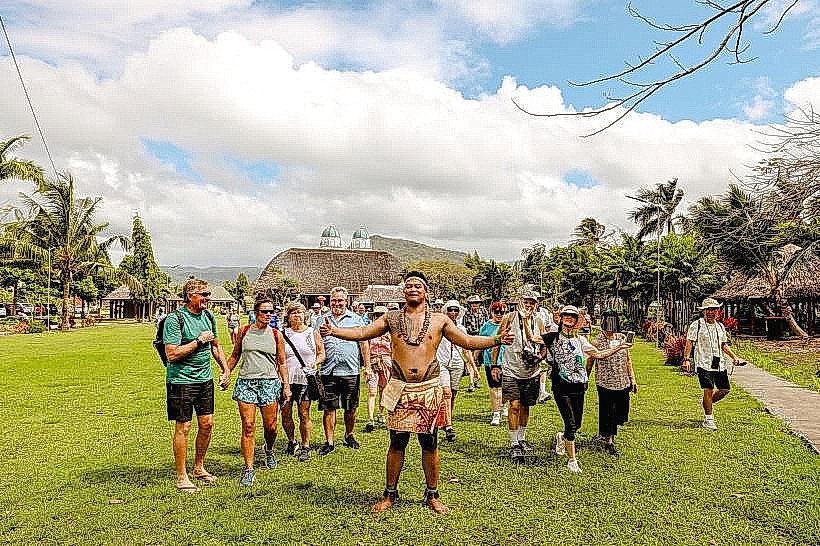
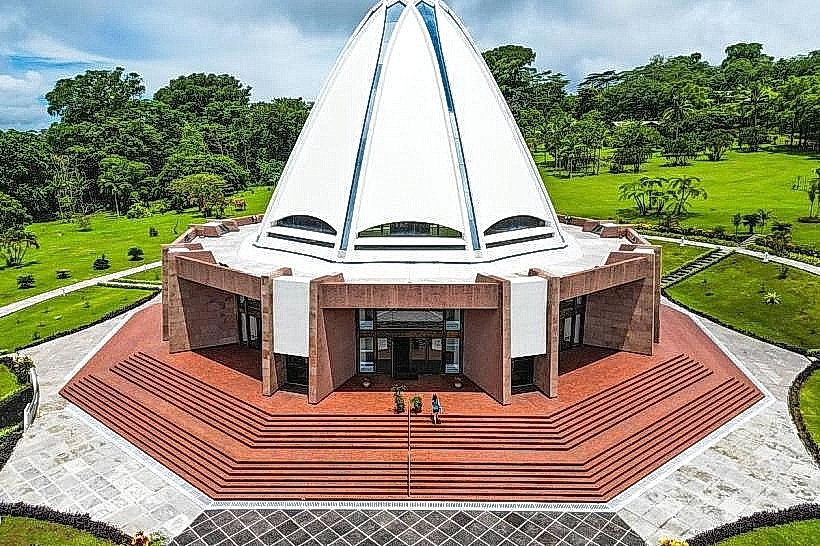
Samoa gained independence from a New Zealand-administered UN trusteeship in 1962, marking the first South Pacific island nation to do so. The primary religious affiliation is Christianity (98%). The most significant national holiday is Independence Day on June 1. Social etiquette is governed by Fa'a Samoa (The Samoan Way), which mandates modest dress (covering shoulders and knees) and removing shoes before entering a fale.
Language & Communication
The official languages are Samoan and English. English proficiency is High in urban areas and tourist hubs, though proficiency levels are Medium in remote rural villages.
Population & Economy
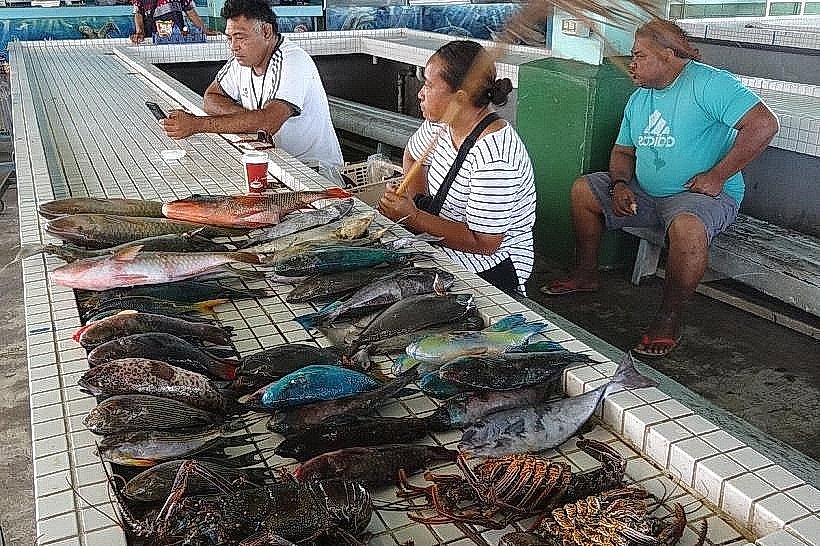
The total population is approximately 207,000, with 80% residing in rural areas and 20% in urban centers. Top export commodities are ignited wire sets, frozen fish, and coconut oil. The GDP per capita is approximately $3,800 USD, with the service sector (including tourism) and subsistence agriculture driving the labor market.
Visa & Entry Policy
Citizens of the EU, US, and UK are granted a "Visitor Permit" on arrival for stays up to 90 days (length varies by treaty). No E-Visa is required for these passport holders. Entry strictness is High regarding biosecurity and the declaration of food or plant materials.
Currency & Payment Systems
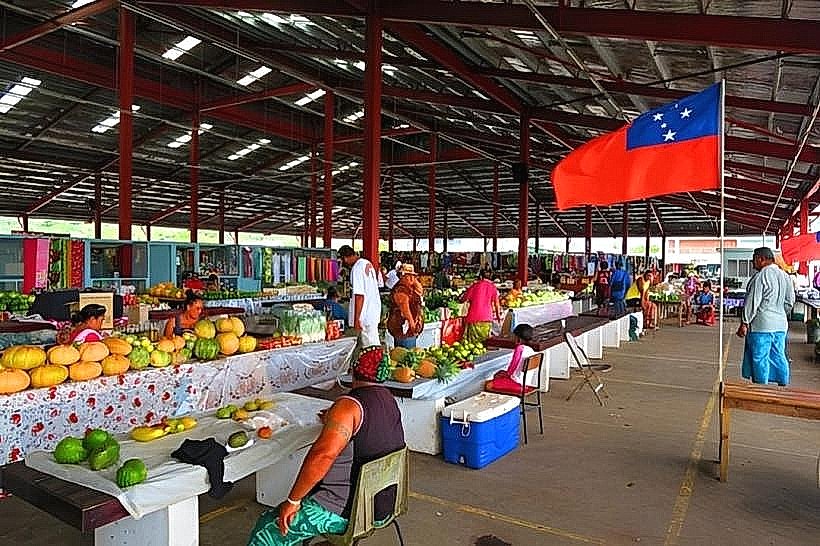
The currency is the Samoan Tala (WST). Cash is king outside of Apia; while major hotels and car rentals accept cards, local markets and smaller vendors require cash. ATM availability is limited to Apia and larger villages on Savai'i.
National Transport Grid
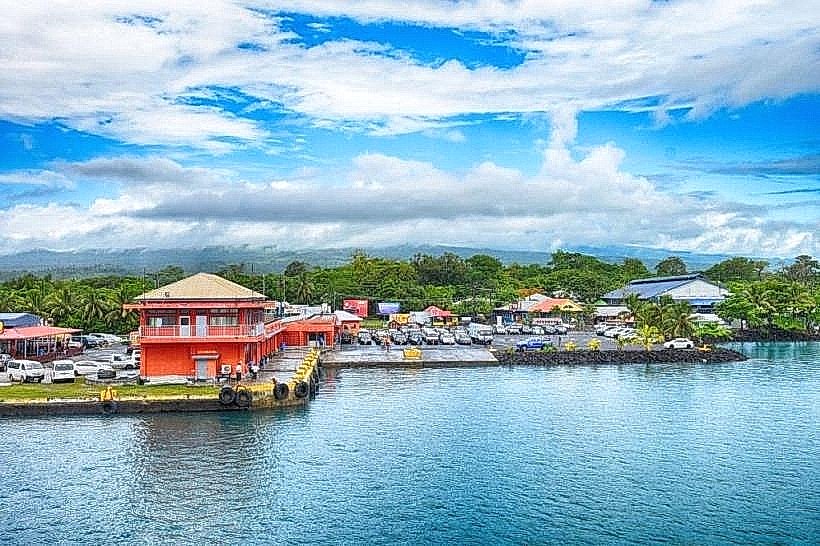
Inter-island transit between Upolu and Savai'i relies on the Lady Samoa ferry service. On land, the population utilizes a network of privately owned, brightly painted wooden buses. Domestic flights operate between Faleolo International Airport and Maota Airport, though schedules are inconsistent.
Digital Infrastructure
The primary mobile network providers are Digicel and Vodafone Samoa. 4G coverage is reliable in Apia and along the coastal roads of both main islands, but signal strength drops significantly in the mountainous interiors.
Climate & Seasonality
The climate is tropical with little seasonal temperature variation. The Dry month window runs from May to October, while the Wet season occurs from November to April, coinciding with the South Pacific cyclone season.
Health & Safety
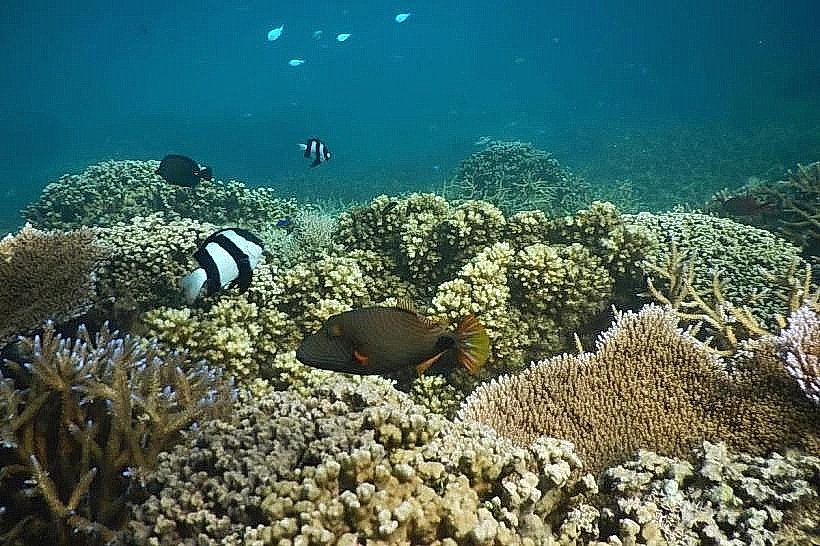
There are no mandatory vaccines unless traveling from a Yellow Fever-affected area, though Measles and Typhoid vaccinations are recommended. Environmental risks include Dengue Fever and physical hazards from coral reefs. The Emergency Number is 995 for Police and 996 for Ambulance.
Top Major Regions & Cities
Upolu (North Coast): Apia
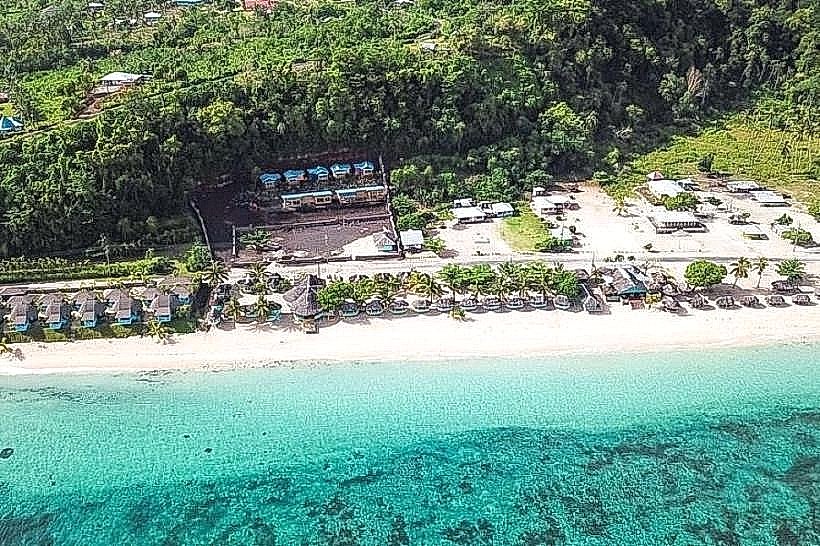
Upolu (South Coast): Lalomanu
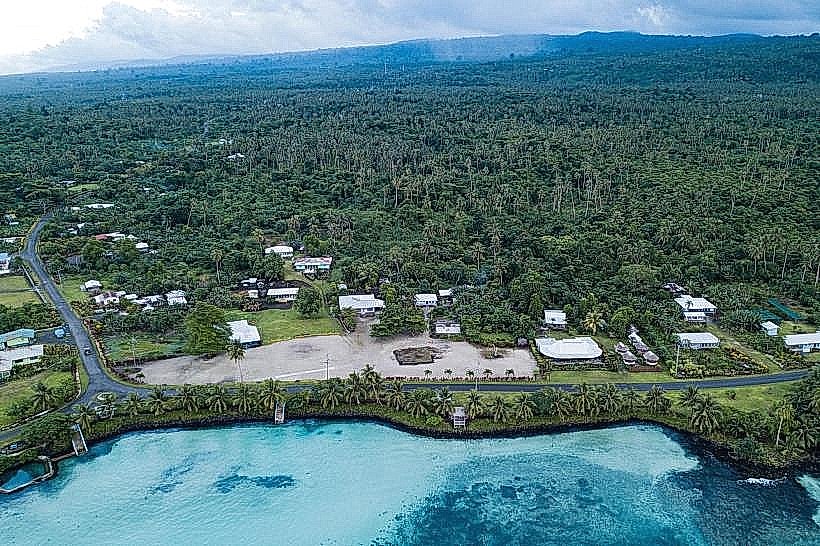
Savai'i (East Coast): Salelologa
Savai'i (North Coast): Manase
Local Cost Index
1L Water: 3.50 WST ($1.30 USD)
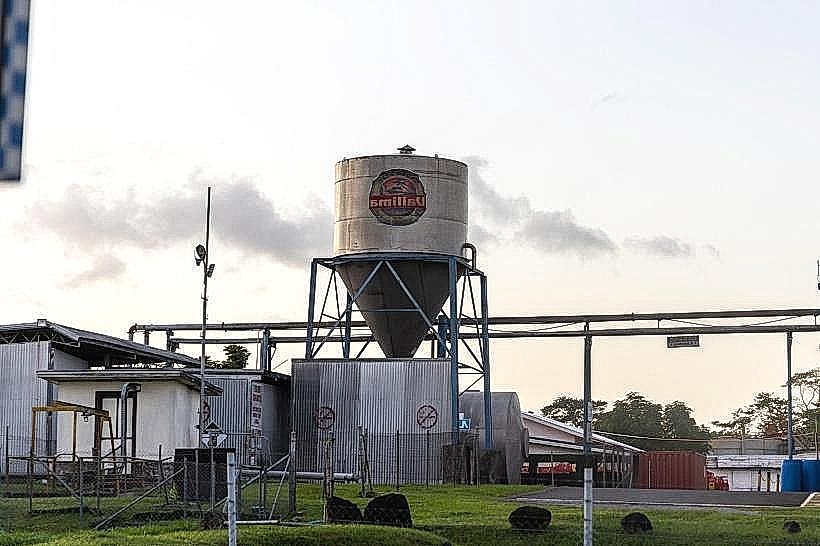
1 Domestic Beer: 7.00 WST ($2.60 USD)
1 Sim Card (Data Plan): 20.00 WST ($7.40 USD)
Facts & Legends
In 2011, Samoa skipped a full day (December 30) by moving the International Date Line to the east of the islands. This geological and political shift was executed to align the country’s trading days with Australia and New Zealand, effectively moving Samoa from the last place on Earth to see the sun to one of the first.