City: Salto
Country: Uruguay
Continent: South America
Salto, Uruguay, South America
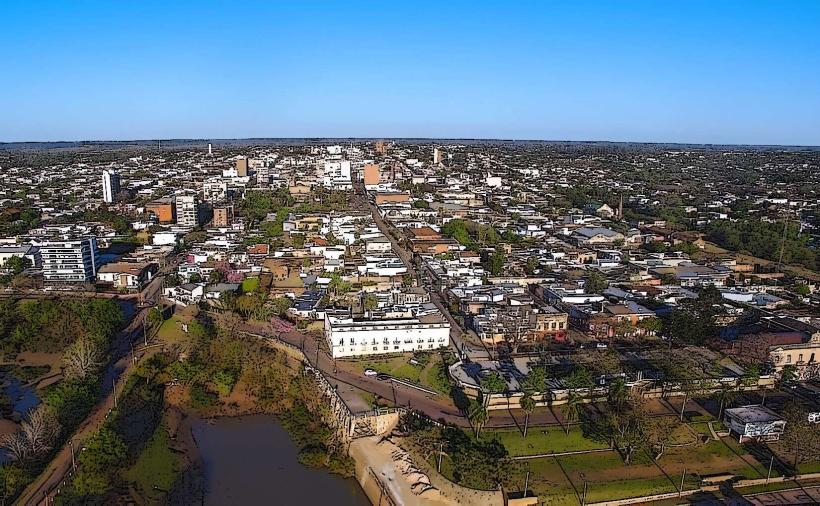
Salto serves as the capital of the Salto Department and is the second-largest city in Uruguay. It functions as a critical citrus-producing hub and a major regional center for hydroelectric power and thermal tourism, situated on the east bank of the Uruguay River across from Concordia, Argentina.
Historical Timeline
The city was founded on November 8, 1756, by Governor José Joaquín de Viana, originally as a temporary fort for 400 soldiers. Its governance transitioned from a strategic military outpost during the Luso-Hispanic conflicts to a prominent departmental capital in 1837. The most significant reconstruction and modernization phase occurred in the 1970s with the construction of the Salto Grande Dam, which radically altered the local economy and urban focus. The "Exodus of the Oriental People" in 1811, where General Artigas and 11,000 followers camped at Ayuí, remains the primary event shaping its historical and political identity.
Demographics & Population
The population within city limits is approximately 105,000, with the department projected to reach 138,000 by 2026. The demographics are predominantly of European descent (Spanish and Italian), with a median age of 32.4 years.
Urban Layout & Key Districts
Salto is organized along the riverfront, with the city rising eastward onto higher ground.
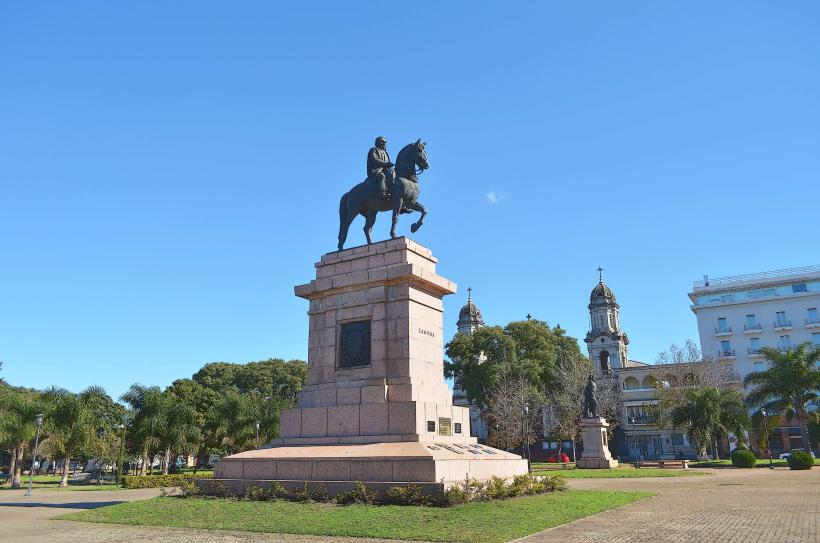
City Center: Focused on Plaza Artigas and Calle Uruguay, the primary commercial and administrative district.
Costanera (Riverfront): A recreational zone divided into North and South sections, popular for sunset viewing and nightlife.
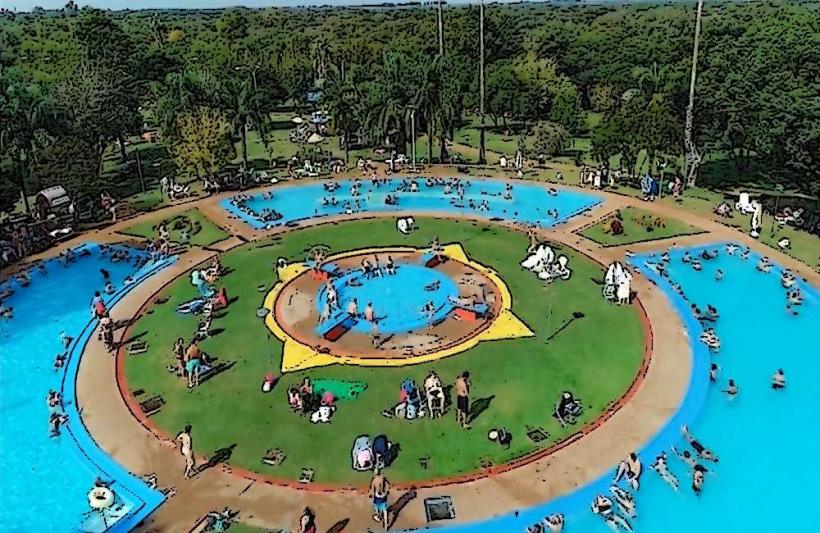
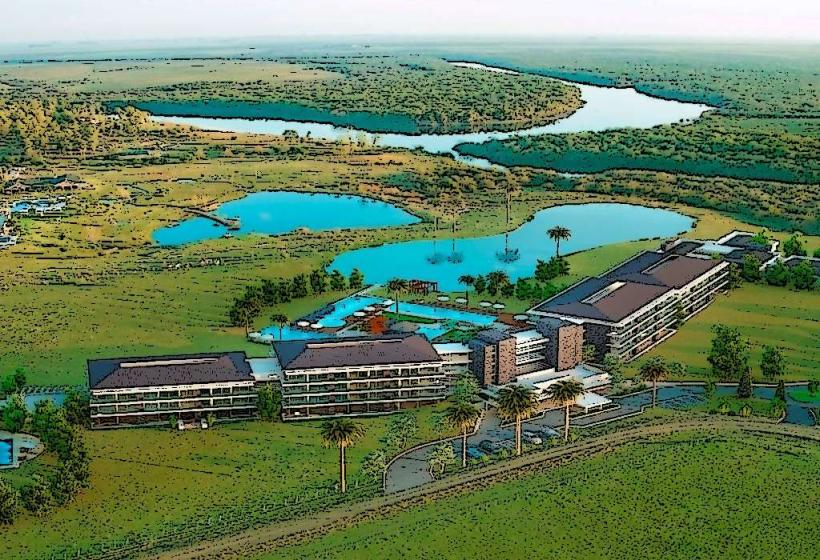
Termas del Daymán: Located 10 km south, this is the primary tourism district dedicated to hot springs and resorts.
Top City Landmarks
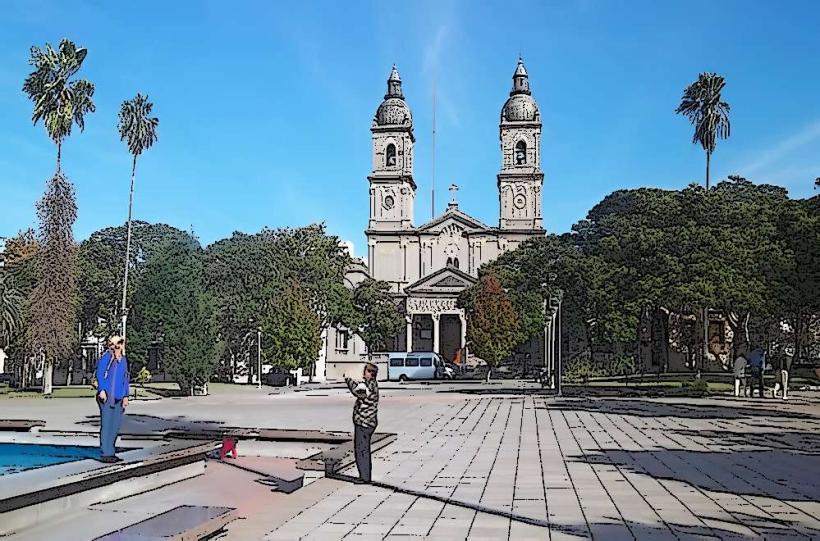
Salto Cathedral (San Juan Bautista): A prominent religious landmark on Plaza Artigas.
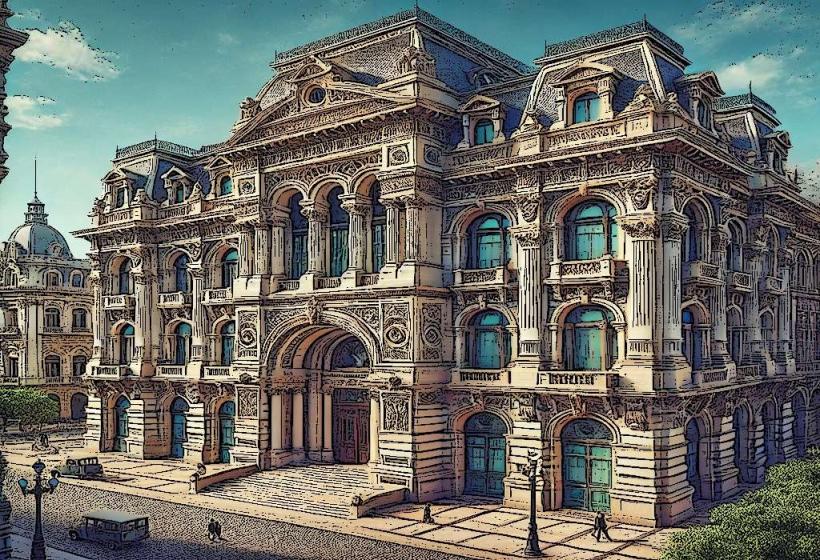
Teatro Larrañaga: A 19th-century theater known for its acoustics and preserved interior.
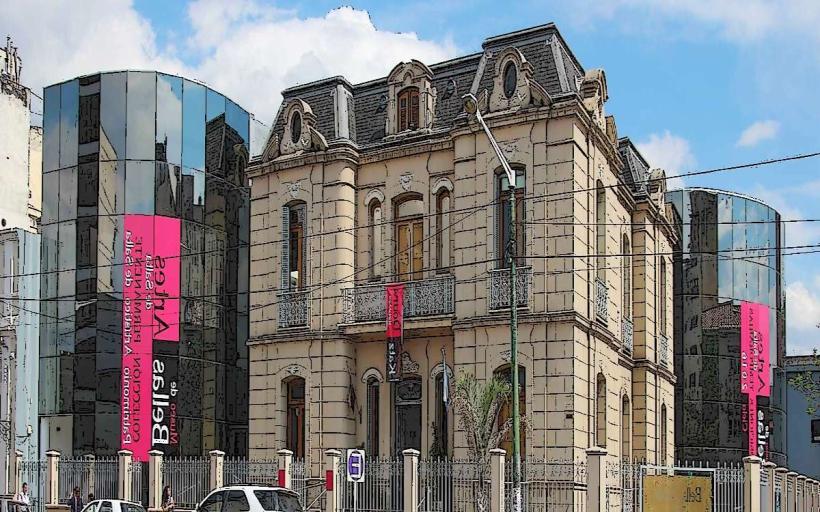
Museum of Man and Technology: Housed in a former market, documenting regional industrial and social history.
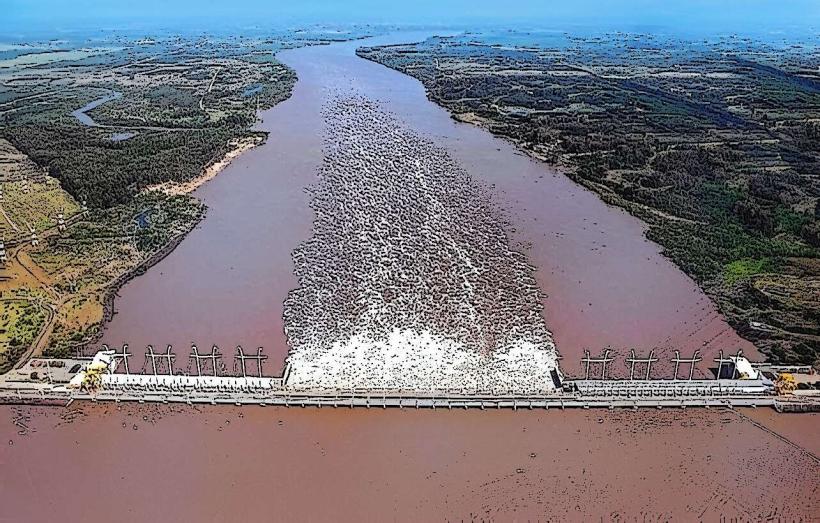
Salto Grande Dam: A massive binational hydroelectric complex and bridge to Argentina.
Grotto of Padre Pio: A spiritual site and monument located on the outskirts toward Daymán.
Transportation Network
Intra-city transit is provided by a municipal bus system with approximately 10 lines. Ride-sharing via Uber is available but less consistent than in Montevideo. Official taxis are typically white and congregate at the terminal and main plaza. Traffic density is low to moderate, though the "Calle Uruguay" commercial corridor experiences congestion during business hours.
Safety & "Red Zones"
Salto is generally safe, maintaining a lower crime rate than the capital. There are no strictly defined "red zones," but standard caution is advised in peripheral neighborhoods like Barrio Horacio Quiroga at night. Common scams are rare, though visitors should verify taxi fares if the meter is not used.
Digital & Financial Infrastructure
Average internet speed is 80-100 Mbps via Antel's fiber network. Main mobile carriers are Antel, Movistar, and Claro. Card acceptance is high in supermarkets and hotels, particularly in the Termas districts. ATMs (RedBROU and Banred) are abundant in the city center.
Climate & Air Quality
Temperatures range from 18°C to 34°C in summer (December–February) and 6°C to 17°C in winter (June–August). Salto is known for being noticeably hotter than Montevideo. Air quality is excellent. Specific weather risks include high humidity and occasional flooding of the Uruguay River during the autumn rains.
Culture & Social Norms
Tipping: 10% is standard in restaurants.
Greeting: A single kiss on the cheek is the social standard for both men and women.
Pace: The "siesta" is strictly observed; most shops close between 12:30 and 15:30.
Alcohol: Public consumption of mate is ubiquitous, while alcohol is generally consumed in designated bars or residential settings.
Accommodation Zones
City Center: Recommended for business logistics and access to historical theaters and museums.
Termas del Daymán: Recommended for travelers seeking quiet, resorts, and access to thermal pools.
Local Cost Index
1 Espresso: 150 UYU ($3.80 USD)
1 Standard Lunch: 500 UYU ($12.75 USD)
1 Local Bus Ticket: 25 UYU ($0.65 USD)
Nearby Day Trips
Concordia, Argentina: Directly across the river via the dam (accessible by bus/car).
Termas del Arapey: 80 km north (Luxury thermal resort area).
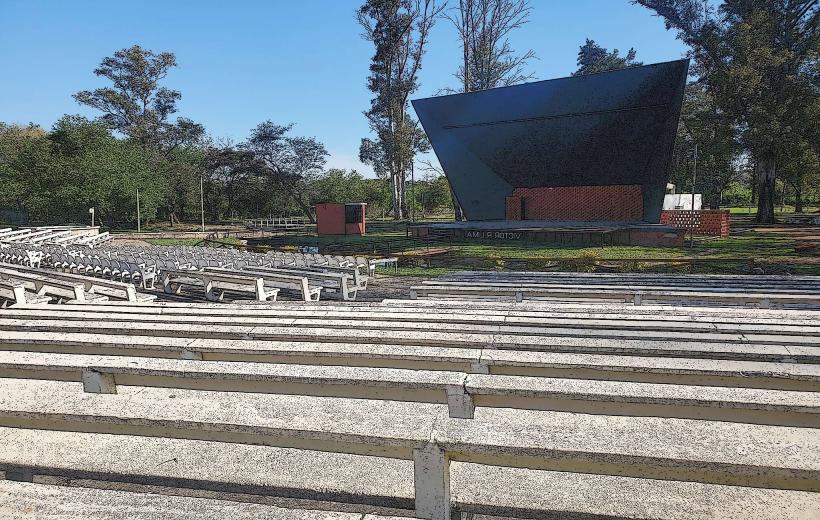
Parque Solari: Within city limits (Historical urban park and landscape).
Facts & Legends
A local historical oddity is that the city is the birthplace of the renowned short story writer Horacio Quiroga; his family home is now a museum. A persistent urban legend in the region involves "The Lady in White" of the Salto Grande Dam, a spectral figure said to appear to drivers on the binational bridge during foggy nights, often attributed to the high-pressure mist generated by the spillways.