City: Touba
Country: Senegal
Continent: Africa
Touba, Senegal, Africa
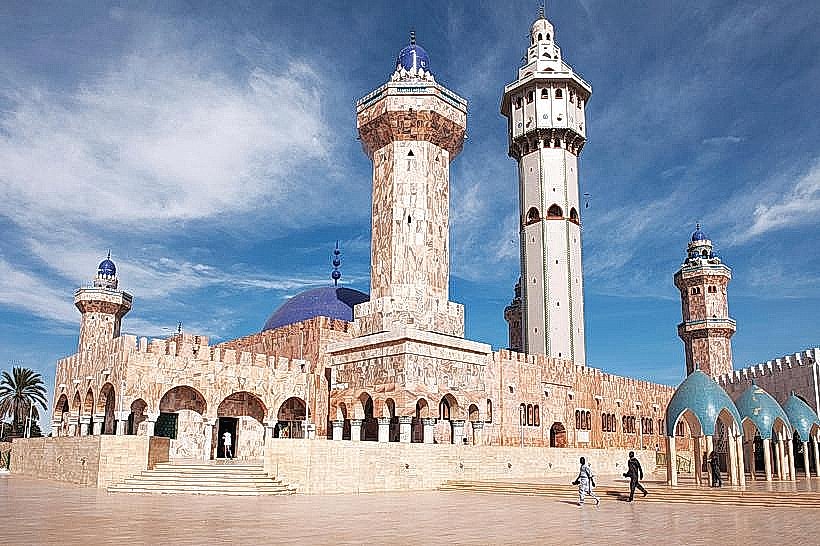
Touba serves as the spiritual center of the Mouride brotherhood and functions as an autonomous holy city within the Diourbel Region of Senegal. It is the second-largest urban settlement in the country by population, operating under a unique administrative status governed by the Caliph General of the Mourides rather than traditional municipal authorities.
Historical Timeline
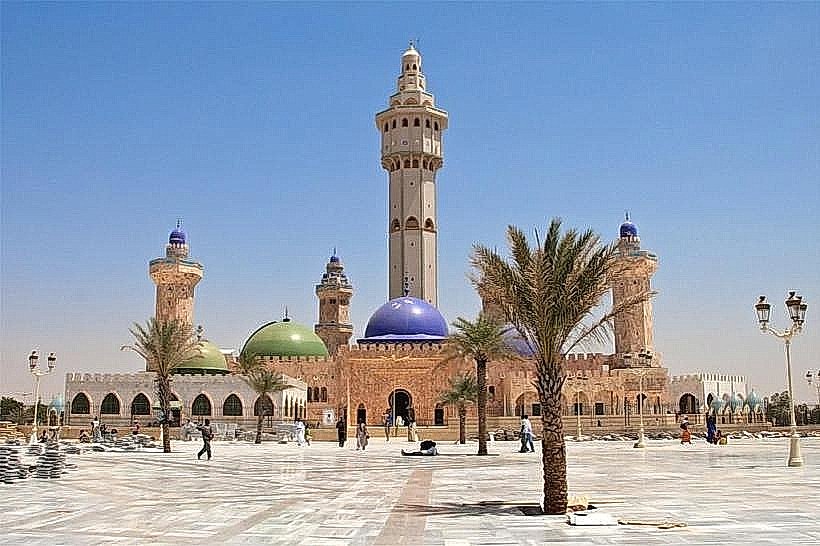
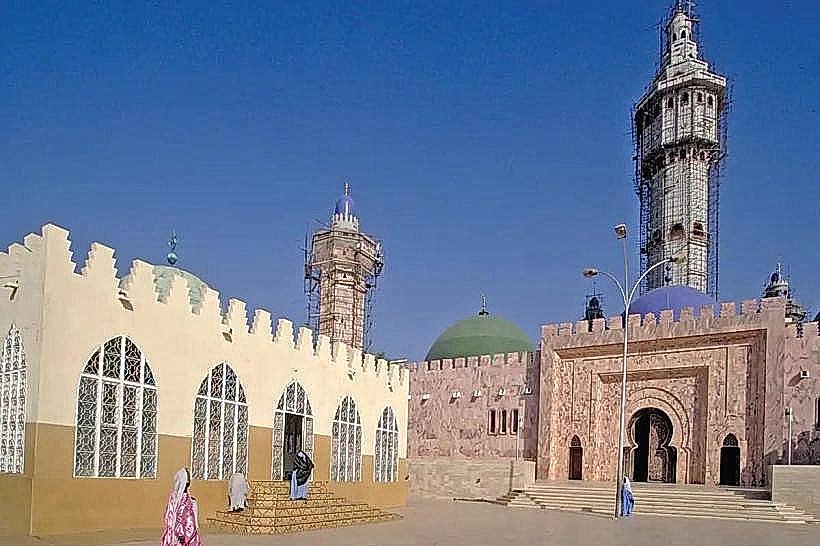
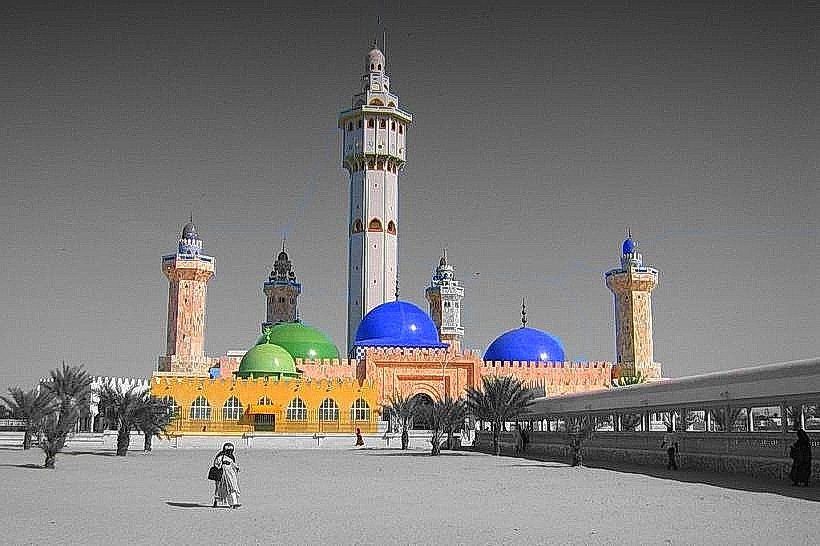
Founded in 1887 by Sheikh Amadou Bamba, the city was established as a site for spiritual retreat during the period of French colonial expansion. The most significant architectural construction, the Great Mosque of Touba, began in 1927 and was officially inaugurated in 1963. The primary event shaping the current urban form is the annual Grand Magal pilgrimage, which dictates the city’s massive radial infrastructure and the continuous expansion of its residential grids to accommodate millions of followers.
Demographics & Population
The total population within the city limits is approximately 1.5 million, though this figure fluctuates significantly during religious events. The primary ethnic demographic is Wolof, followed by Fula and Serer. The population is characterized by a very young median age, estimated at approximately 17.5 years.
Urban Layout & Key Districts
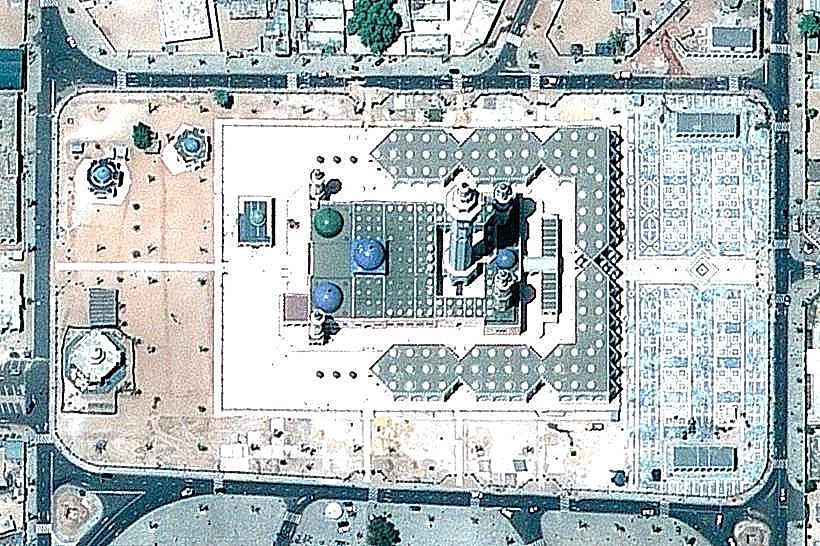
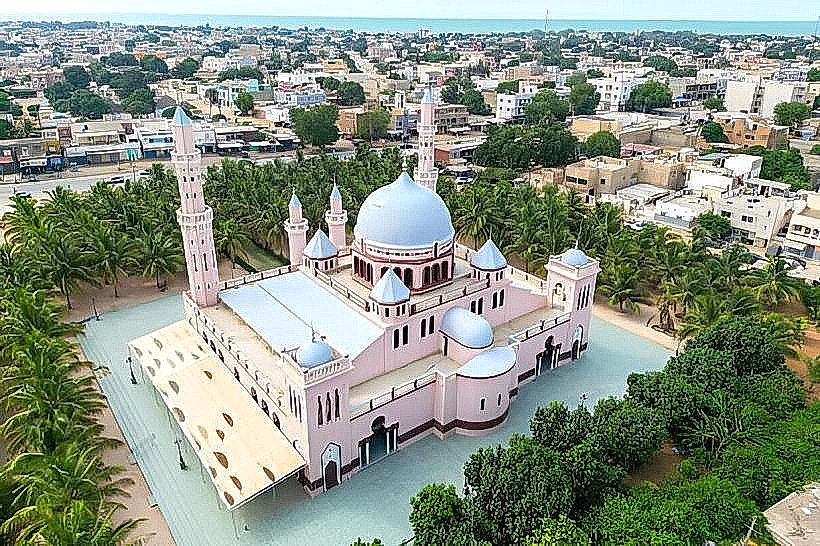
The city is organized in a radial pattern centered on the Great Mosque. The "Holy Zone" (Haram) surrounds the mosque and contains the residences of the Caliph and high-ranking religious officials. Key districts include Darou Marnane (Northeast), Darou Khoudoss (East), and the sprawling commercial markets that ring the central religious core.
Top City Landmarks
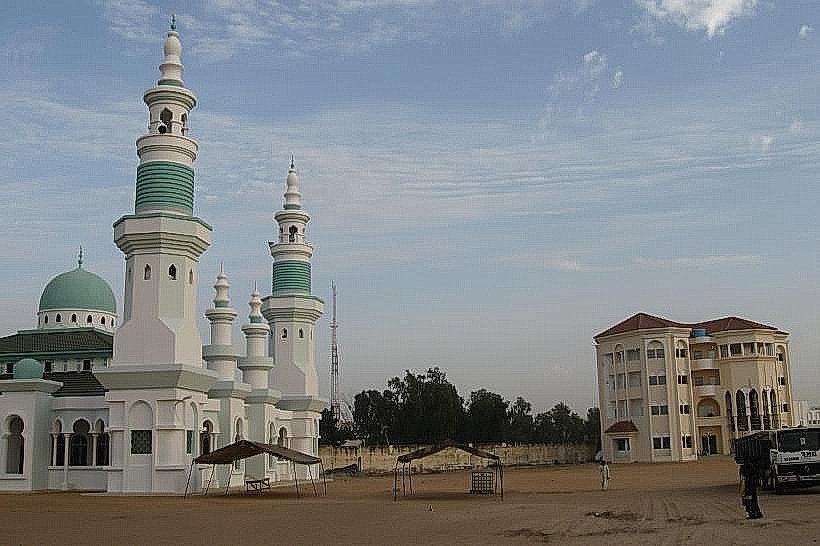
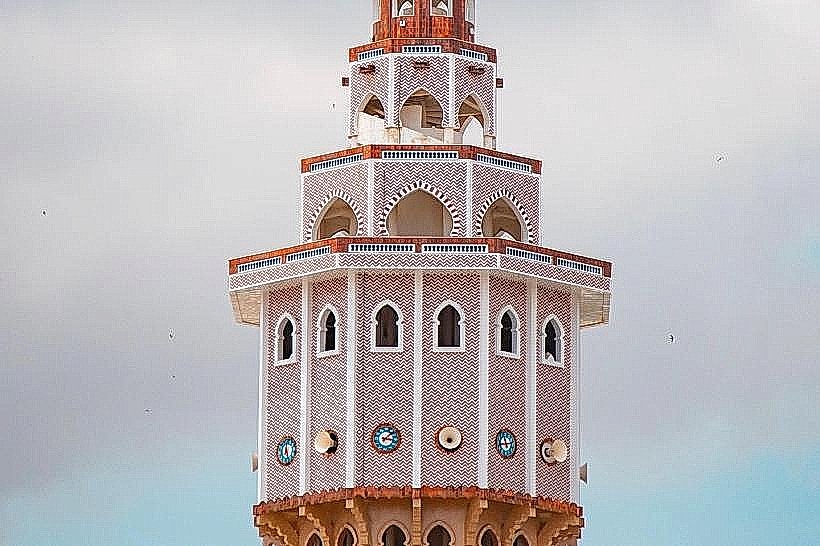
Great Mosque of Touba
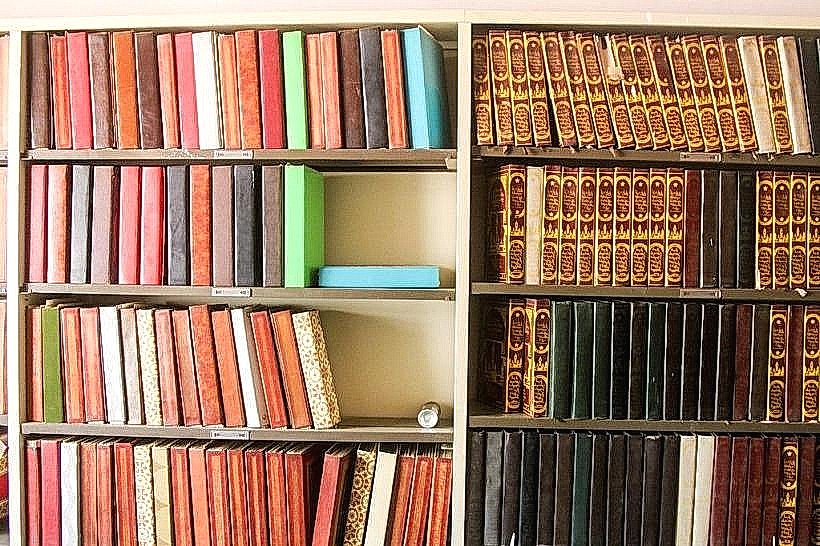
Library of Sheikh Amadou Bamba
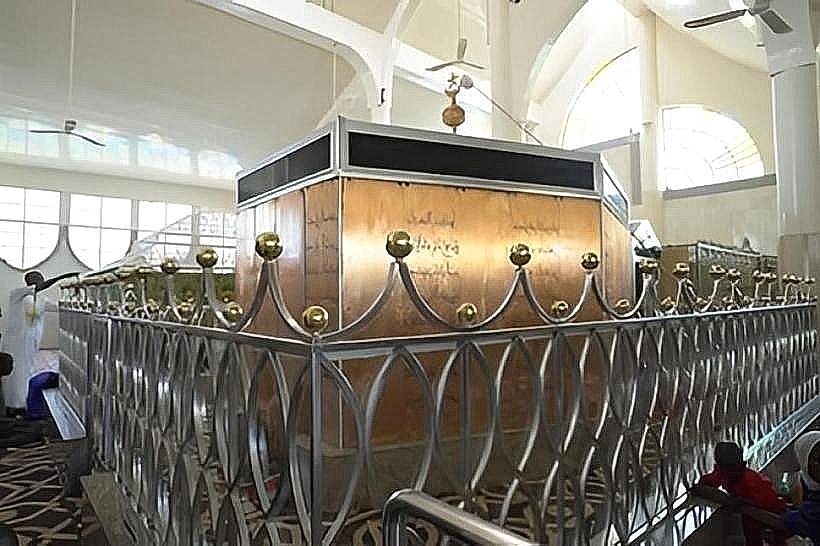
Mausoleum of Sheikh Amadou Bamba
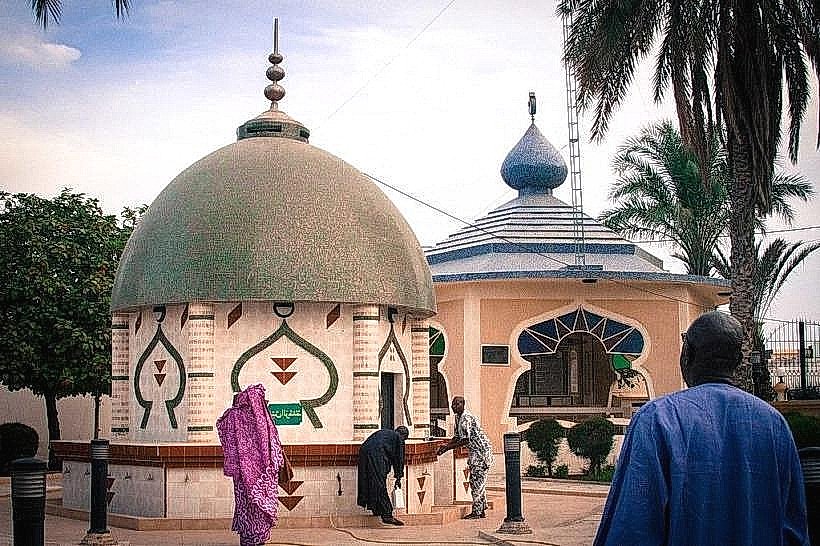
The Holy Well of Aynou Rahmati
The Residences of the Caliphs
Transportation Network
Movement within the city is conducted via "Ndiaga Ndiaye" (white Mercedes buses) and "Clandos" (unregulated shared taxis). There is no Metro, Tram, or formal municipal bus system. Ride-sharing apps like Yango have limited functionality compared to Dakar. Official taxis are yellow and black, but horse-drawn carriages (caleches) are the primary mode of transport for short distances within the city. Traffic density is extreme during the Grand Magal, requiring the closure of central arteries to motorized vehicles.
Safety & "Red Zones"
The general safety level is very high due to the presence of the "Khourayel" (religious police) and strict community adherence to religious law. There are no specific "red zones" in terms of violent crime, but visitors must strictly adhere to local prohibitions (no alcohol, no tobacco, no music) to avoid confrontation with religious authorities.
Digital & Financial Infrastructure
Average fixed broadband speed is 15-30 Mbps, with 4G/LTE coverage provided by Orange and Free. Card acceptance is extremely low; the city is primarily a cash-based economy. ATMs are available but concentrated near the main commercial markets and the entry roads to the city.
Climate & Air Quality
Temperatures range from 15°C to 35°C in the cool season (December to February) and can exceed 40°C during the pre-monsoon heat (April to June). The city is located in the semi-arid Sahel zone, making it prone to intense dust storms (Harmattan) and seasonal flooding during the rainy season (July to September).
Culture & Social Norms
Strict religious codes apply: Smoking and the consumption of alcohol are strictly forbidden within the city limits. Tipping is not standardized but "Sadaqa" (charity) is common. A handshake is the standard greeting, though followers often kiss the hand of religious leaders. Dress code is highly conservative; women must wear headscarves and long skirts/dresses, and men should avoid shorts.
Accommodation Zones
Darou Marnane: Stay here for proximity to the central religious complex and the main library.
Mbacké: Stay in this neighboring town (7 km away) for conventional hotel infrastructure and fewer religious restrictions on lifestyle.
Local Cost Index
1 Espresso: 1,000 XOF (1.65 USD) - typically found in the neighboring town of Mbacké.
1 Standard Lunch: 1,500 XOF (2.50 USD) for a traditional plate at a local "tangana."
1 Metro/Bus Ticket: 200 XOF (0.35 USD) for a shared taxi or bus ride.
Nearby Day Trips
Mbacké: 7 km
Diourbel (Regional Capital): 45 km
Kaolack: 90 km
Mbodiène (Coastal): 130 km
Facts & Legends
An enduring local legend involves the "Tree of Paradise" (Touba), for which the city is named. It is believed that the site of the Great Mosque corresponds to a spiritual portal where Sheikh Amadou Bamba received visions. Historically, Touba is a tax-free zone, operating outside the standard fiscal jurisdiction of the Senegalese state, which has led to its rapid development as a major regional trading hub.