Landmark: Abidjan Zoo
City: Abidjan
Country: Cote d-Ivoire
Continent: Africa
Abidjan Zoo, Abidjan, Cote d-Ivoire, Africa
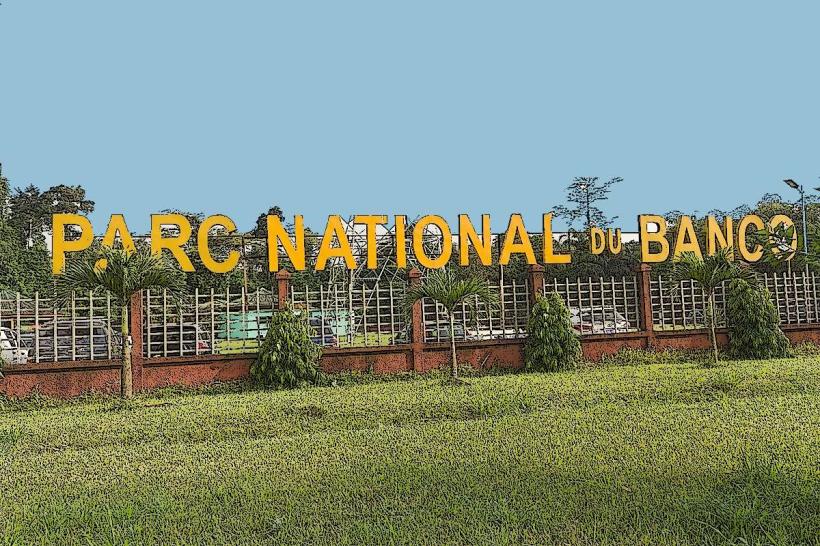
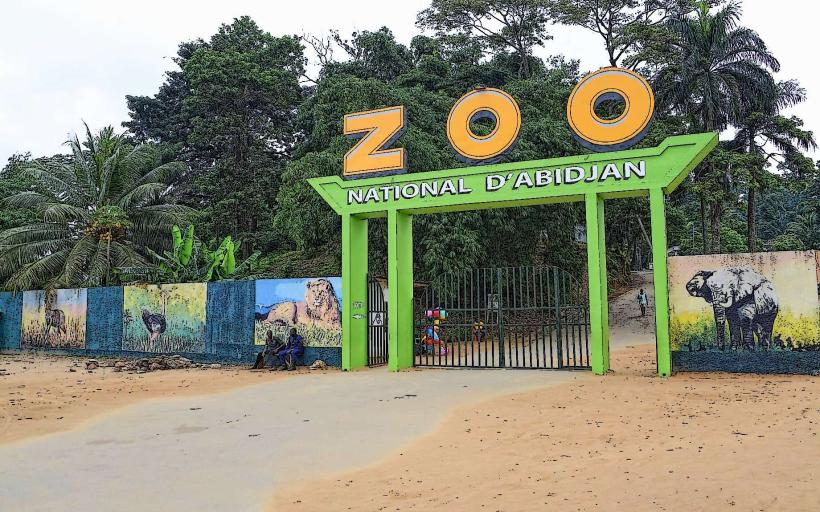
The Abidjan Zoo is a zoological park located within the Banco National Park in Abidjan, Côte d'Ivoire.
It houses a collection of African fauna within a protected forest environment.
Visual Characteristics
The zoo's enclosures are integrated into the natural forest landscape of Banco National Park. Structures are primarily constructed from concrete and metal, designed to contain various animal species. Vegetation density is high, with mature trees providing canopy cover throughout the park.
Location & Access Logistics
The Abidjan Zoo is situated within Banco National Park, approximately 15 kilometers north of Abidjan's city center. Access is via Boulevard Nangui Abrogoua, which leads directly to the park entrance. Parking is available on-site, though capacity can be limited during peak hours. Public transport options include local bus lines that service the area, with stops a short walk from the park entrance.
Historical & Ecological Origin
Banco National Park, established in 1953, is a protected forest reserve. The zoo was developed within this existing ecological zone to showcase native wildlife. Its origin is tied to conservation efforts and public education regarding the region's biodiversity.
Key Highlights & Activities
Observation of primate species, including chimpanzees and baboons. Viewing of large mammals such as lions, elephants, and giraffes. Walking paths allow for exploration of the park's forested areas. Educational signage provides information on animal habitats and behaviors.
Infrastructure & Amenities
Restroom facilities are available near the main entrance and at designated points within the zoo. Shaded areas are provided by the natural tree canopy. Cell phone signal (4G) is generally available within the park. Food vendors are typically present near the park entrance, offering local snacks and beverages.
Best Time to Visit
The best time of day for viewing active animals is generally in the early morning or late afternoon, when temperatures are cooler. The dry season, from November to March, offers more predictable weather conditions. No specific tide requirements apply.
Facts & Legends
Banco National Park is one of the last remaining primary forests within an urban environment in West Africa. A local belief suggests that certain ancient trees within the park possess protective spirits.
Nearby Landmarks
- Banco National Park (0km, Internal)
- Institut National de la Recherche Agronomique de Côte d'Ivoire (0.8km West)
- Centre Ivoirien de Recherche et d'Éducation Environnementale (1.2km Southwest)
- Parc National du Banco (0km, Internal)