Information
Landmark: Ampera BridgeCity: Palembang
Country: Indonesia
Continent: Asia
Ampera Bridge, Palembang, Indonesia, Asia
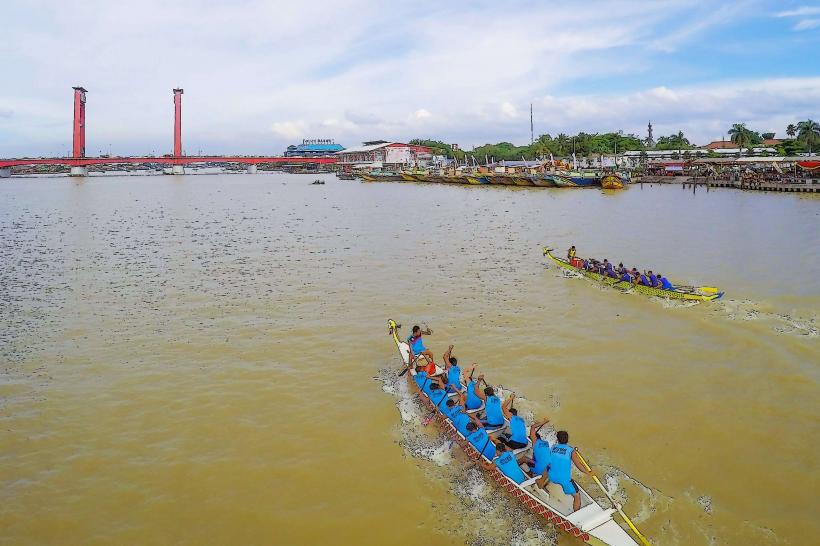
The Ampera Bridge is a bascule bridge spanning the Musi River in Palembang, South Sumatra, Indonesia. It connects the Seberang Ulu and Seberang Ilir districts of the city.
Visual Characteristics
The bridge is constructed primarily of steel, painted a distinctive red. It features two large towers, each approximately 70 meters high, connected by a central span that can be raised to allow river traffic to pass. The total length of the bridge is 1,117 meters, with a width of 22 meters.
Location & Access Logistics
The Ampera Bridge is located in the center of Palembang. It is accessible via Jalan Jenderal Sudirman on the Seberang Ilir side and Jalan Pangeran Ayin on the Seberang Ulu side. Public transportation options include local minibuses (angkot) numbered 1, 2, 3, and 4, which traverse the bridge. Parking is available at designated lots near the bridge approaches, though it can be limited during peak hours.
Historical & Ecological Origin
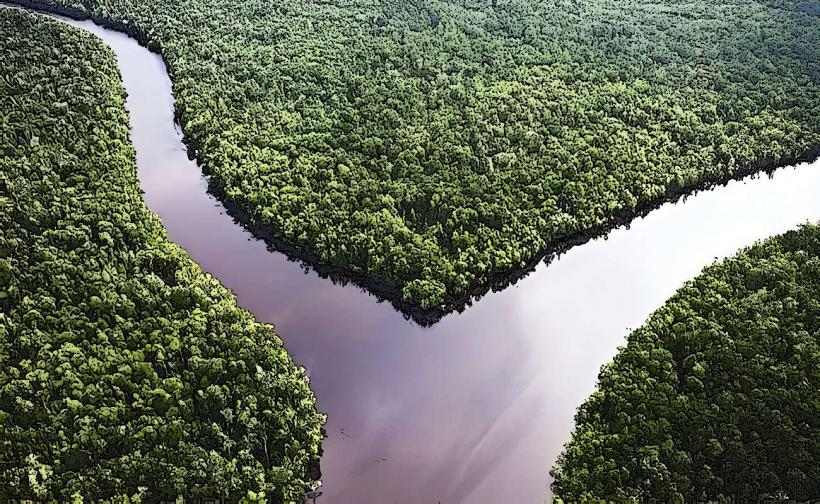
Construction of the Ampera Bridge began in 1962 and was completed in 1965. It was built with funds and technical assistance from Japan. The bridge was originally intended to facilitate transportation and economic development in the region. The Musi River is a major waterway in South Sumatra, formed by the confluence of several smaller rivers.
Key Highlights & Activities
Observation decks are located at the base of the bridge towers, offering views of the Musi River and the city. Boat tours along the Musi River provide a perspective of the bridge from the water. Visitors can walk across the pedestrian walkways on either side of the bridge.
Infrastructure & Amenities
Restrooms are available at the observation deck areas. Shade is limited to the observation deck structures. Cell phone signal (4G/5G) is generally good in the vicinity of the bridge. Food vendors are present along the riverbanks near the bridge approaches.
Best Time to Visit
For photography, the late afternoon provides favorable lighting conditions as the sun sets. The dry season, from June to September, generally offers clearer skies and less rainfall. There are no tide-dependent restrictions for pedestrian access.
Facts & Legends
A local legend suggests that the bridge was built using the hull of a sunken ship, though this is unverified. The bridge's distinctive red color is said to symbolize the blood of the heroes who fought for Indonesian independence.
Nearby Landmarks
- Kuto Besak Fortress (0.8km West)
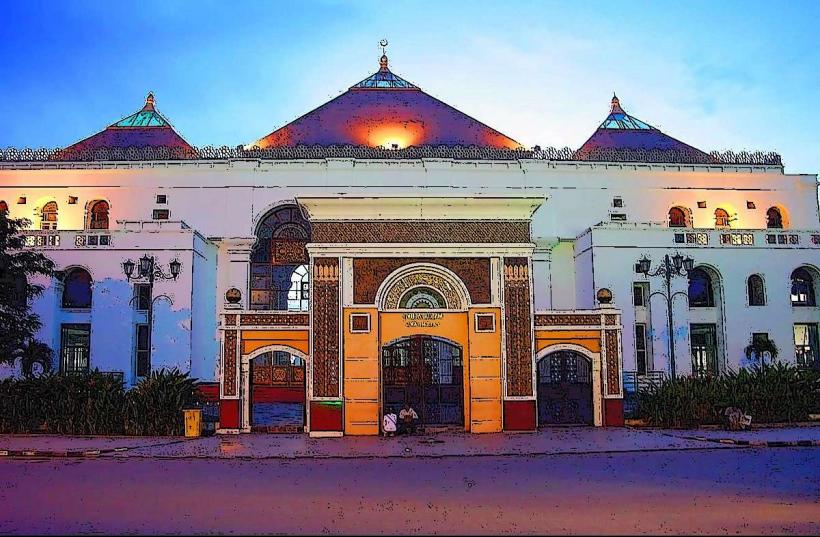
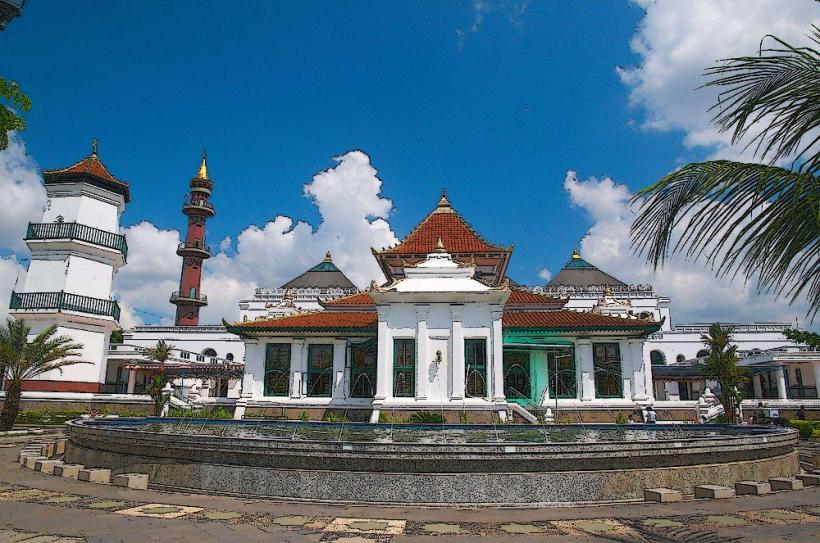
- Great Mosque of Palembang (1.2km Northwest)
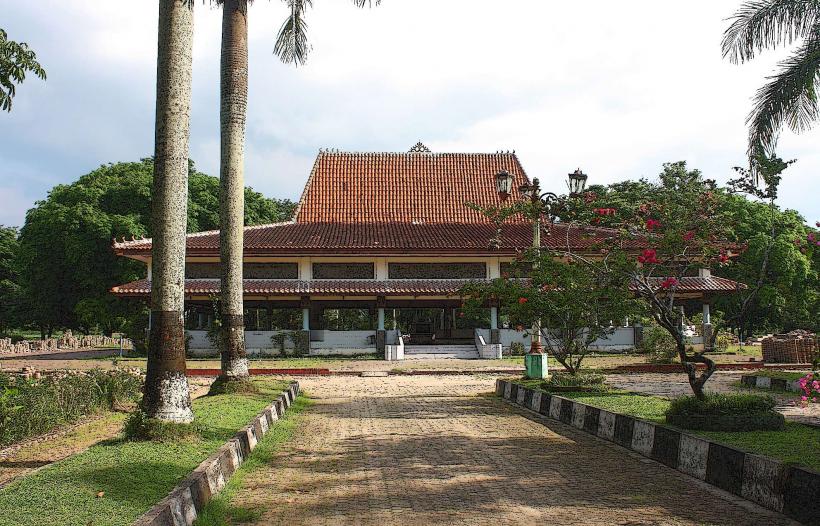
- Museum Sultan Mahmud Badaruddin II (1.0km Northwest)
- Benteng Kuto Gede (0.9km West)