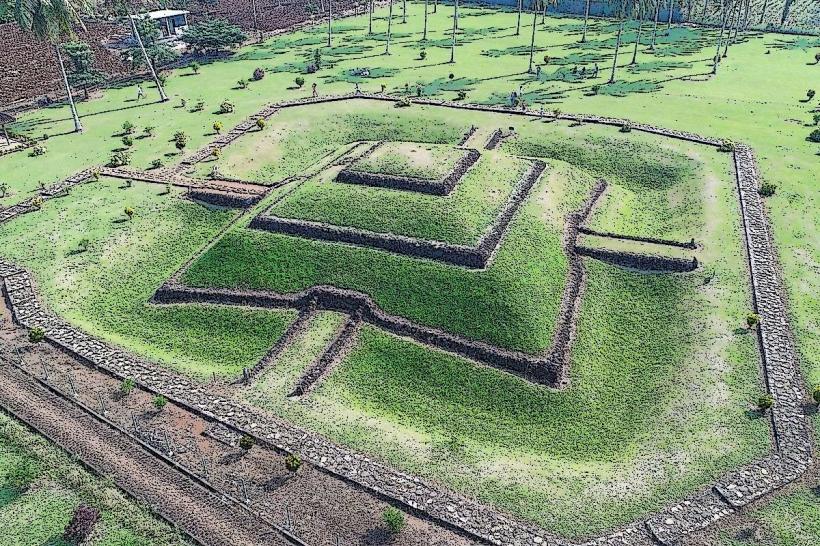
Landmark: Taman Purbakala
City: Palembang
Country: Indonesia
Continent: Asia
Taman Purbakala, Palembang, Indonesia, Asia
Taman Purbakala is an archaeological park located in Palembang, South Sumatra, Indonesia. It preserves and displays artifacts from the Palembang region's historical periods.
Visual Characteristics
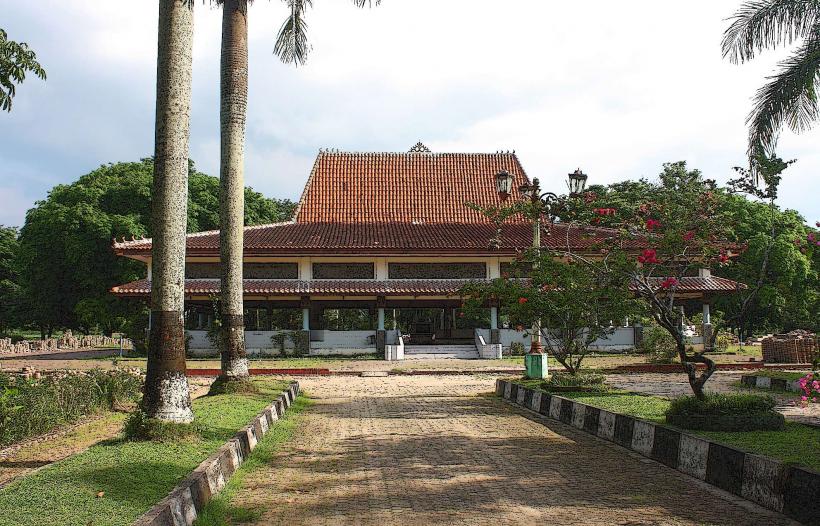
The park features open grassy areas interspersed with excavated archaeological sites. Structures include reconstructed foundations and walls made of brick and stone. Some areas contain display pavilions with tiled roofs and concrete bases. Vegetation is managed, with trees and shrubs providing shade in designated zones.
Location & Access Logistics
Taman Purbakala is situated approximately 8 kilometers southwest of Palembang's city center. Access is via Jalan Pangeran Ratu. Public transportation options include local buses (e.g., Angkot route KBL) that pass near the park entrance. Limited parking is available on-site for private vehicles.
Historical & Ecological Origin
The site contains remnants of settlements dating back to the Srivijaya Empire, which flourished between the 7th and 13th centuries. Excavations have uncovered pottery, metal objects, and architectural fragments indicating a significant historical presence. The park's origin is tied to archaeological research and preservation efforts focused on the region's past.
Key Highlights & Activities
Visitors can observe excavated foundations and walls. Display pavilions house recovered artifacts, including ceramics and tools. Walking paths allow exploration of the park grounds. Educational signage provides information on the historical context of the findings.
Infrastructure & Amenities
Restrooms are available within the park. Shaded areas are provided by trees and covered pavilions. Cell phone signal (4G) is generally consistent. Food vendors are not permanently located within the park but may be present outside the main entrance.
Best Time to Visit
The best time of day for visiting is between 08:00 and 11:00 or 15:00 and 17:00 to avoid the midday heat. The dry season, from June to September, offers the most favorable weather conditions. No specific tide requirements apply.
Facts & Legends
One notable find at the site is evidence of advanced metalworking techniques from the Srivijaya period, suggesting significant technological capabilities. Local folklore sometimes associates the area with ancient royal ceremonies, though specific legends are not widely documented.
Nearby Landmarks
- Museum Sultan Mahmud Badaruddin II (3.5km Northeast)
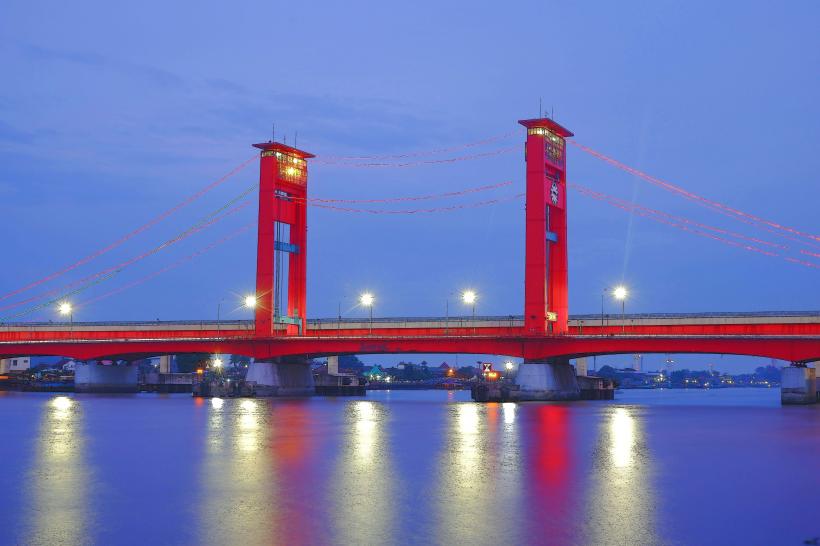
- Jembatan Ampera (4.0km Northeast)
- Kuto Besak Fortress (4.2km Northeast)
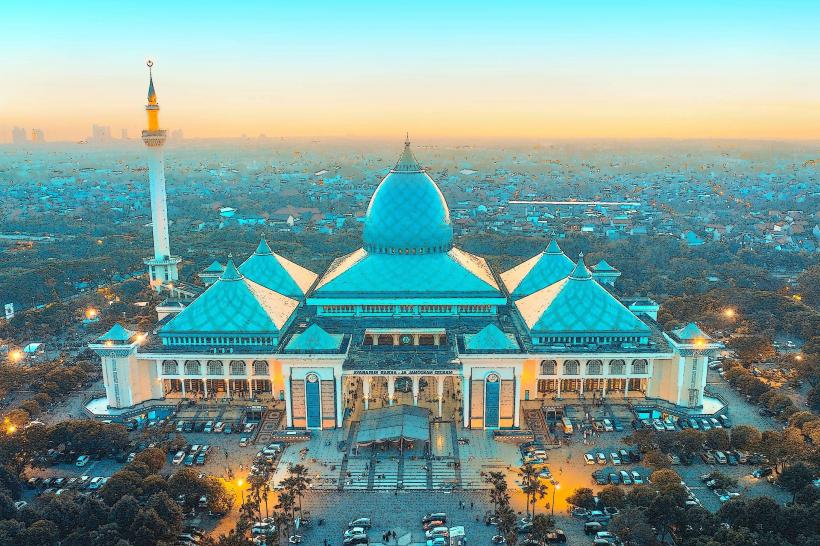
- Masjid Agung Sultan Mahmud Badaruddin II (3.8km Northeast)