Landmark: ASI Protected Monuments
City: Konark
Country: India
Continent: Asia
ASI Protected Monuments, Konark, India, Asia
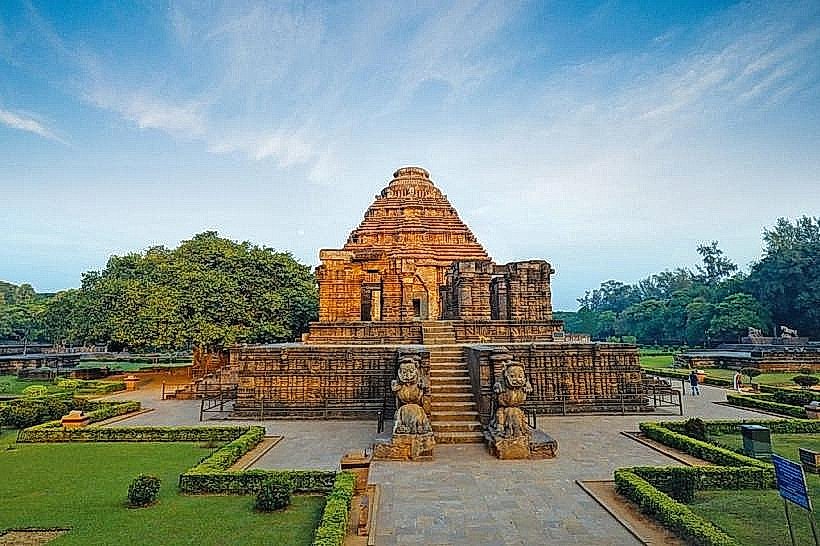
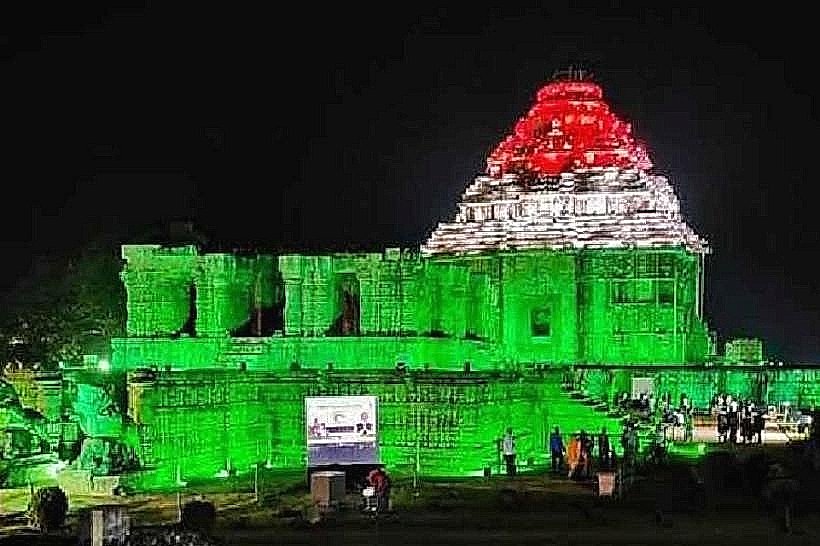
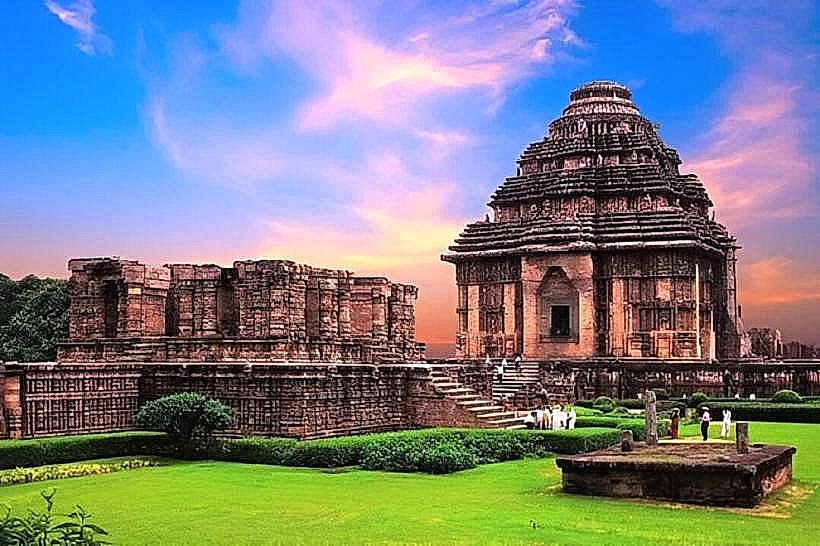
The Sun Temple at Konark is a 13th-century Hindu temple dedicated to the sun god Surya, located in the state of Odisha, India.
It is designed in the shape of a colossal chariot with wheels and horses, representing Surya's chariot.
Visual Characteristics
The temple is constructed primarily from sandstone. Its exterior is adorned with intricate carvings depicting mythological scenes, celestial beings, and daily life. The structure is organized into three distinct parts: the main temple (now largely in ruins), the audience hall (Jaganmohan), and the dancing hall (Natmandir). The remaining portions stand at approximately 30 meters in height. The architectural style is Kalinga, characterized by its curvilinear shikhara (tower).
Location & Access Logistics
Konark is situated approximately 65 kilometers northeast of Bhubaneswar, the capital of Odisha. Access is via National Highway 316 (formerly NH 203). From Bhubaneswar, travel time by car is approximately 1.5 to 2 hours. Local buses operate regularly from Bhubaneswar and Puri to Konark. Limited parking is available near the temple complex. The nearest major railway station is Puri (35 km away), and the nearest airport is Biju Patnaik International Airport in Bhubaneswar.
Historical & Ecological Origin
The Sun Temple was built around 1250 CE during the reign of King Narasimhadeva I of the Eastern Ganga dynasty. It was designed by the architect Bishnu Das. The temple's original purpose was to serve as a grand place of worship for the sun god Surya. Its construction is a testament to the architectural and engineering prowess of the era.
Key Highlights & Activities
Visitors can observe the detailed stone carvings on the remaining structures, including the chariot wheels which are used as sundials. Photography of the temple complex is permitted. Guided tours are available, providing historical context and details about the iconography. Walking around the temple grounds allows for examination of the architectural elements and sculptural work.
Infrastructure & Amenities
Restrooms are available within the temple complex. Shaded areas are provided by the remaining structures and some artificial shelters. Cell phone signal (4G/5G) is generally available. Food vendors and small eateries are located outside the main temple entrance.
Best Time to Visit
The best time of day for photography is during sunrise and sunset, when the light casts long shadows and highlights the carvings. The optimal months for visiting are from October to March, when the weather is cooler and drier. High tide or low tide is not a relevant factor for visiting this inland temple.
Facts & Legends
A local legend states that the temple was built with the help of 1,200 architects and 12,000 artisans over 12 years. Another tale suggests the temple was designed to capture the sun's rays and focus them on the idol of Surya. The temple's original height was intended to be much greater, but it is said to have collapsed due to structural issues or divine intervention before its completion.
Nearby Landmarks
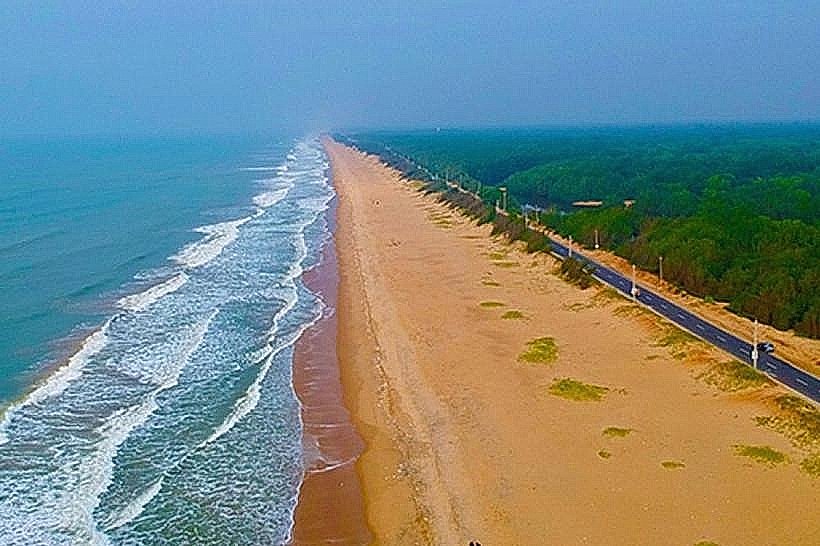
- Konark Beach (0.8km South)
- ASI Museum, Konark (0.3km West)
- Chandrabhaga Beach (3km East)
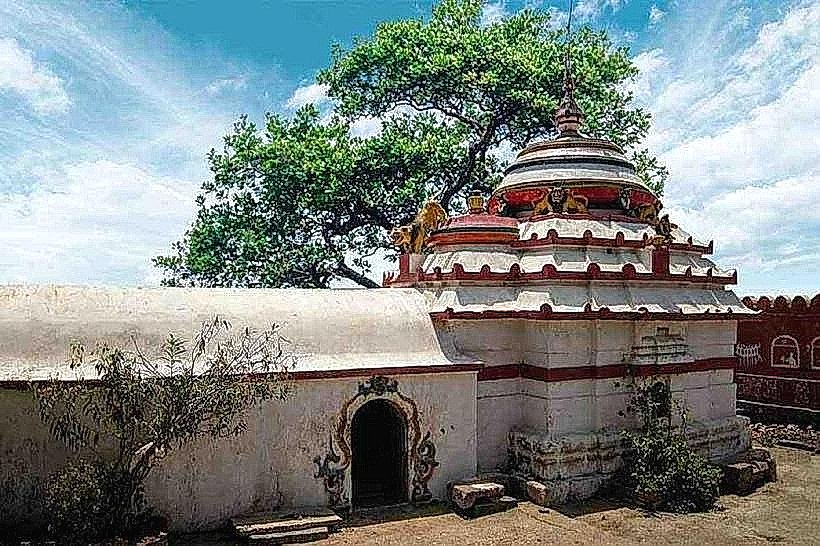
- Kakatpur Mangala Temple (20km North-West)
- Puri Jagannath Temple (35km South-West)