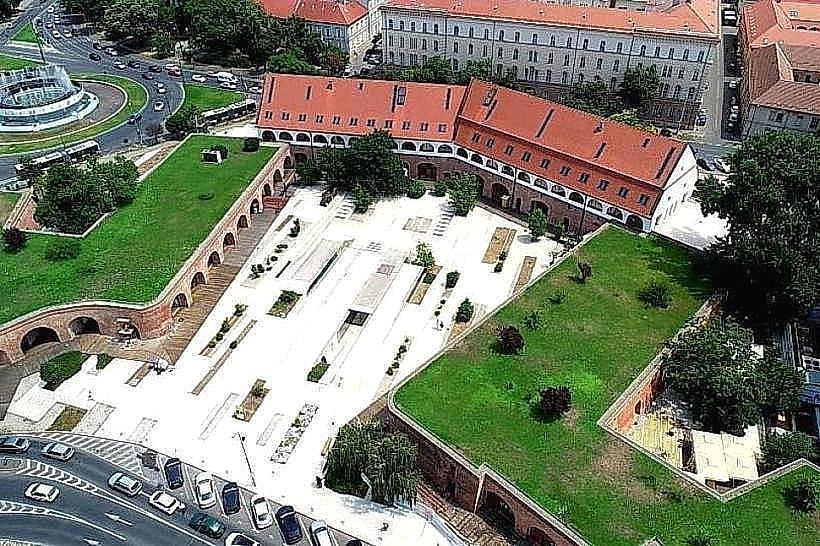
Landmark: Bastionul Theresia
City: Timisoara
Country: Romania
Continent: Europe
Bastionul Theresia, Timisoara, Romania, Europe
Bastionul Theresia is a preserved section of the former Timișoara Fortress, located in the central district of Timișoara, Romania.
It represents a significant surviving element of the Baroque-era fortifications that once encircled the city.
Visual Characteristics
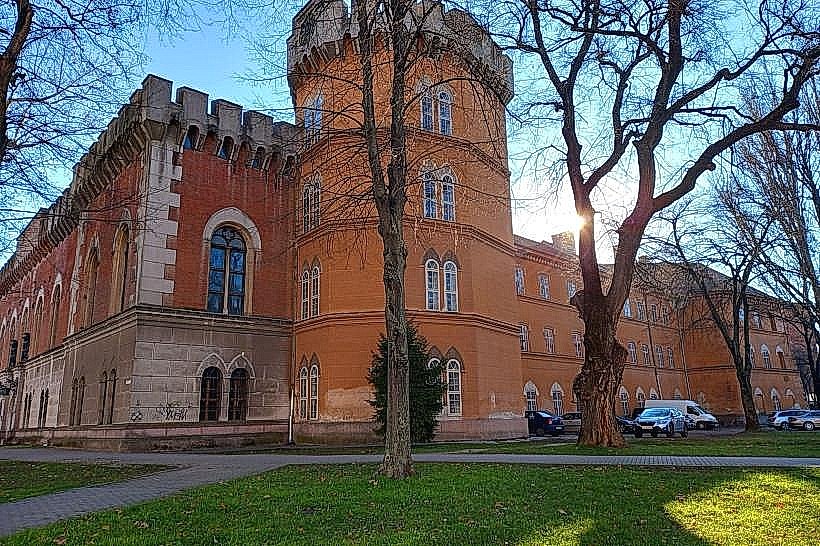
The bastion is constructed primarily from brick and stone. Its visible sections exhibit arched passageways and vaulted ceilings. The exterior walls are a muted red brick, with exposed stone elements at the base and structural points. The structure is largely subterranean, with only portions of its upper levels and entrances visible above ground level. Its architectural style aligns with 18th-century military engineering.
Location & Access Logistics
Bastionul Theresia is situated in the central area of Timișoara, accessible from Bulevardul General Ion Dragalina. It is approximately 1.5 km from the city center. Parking is available in designated lots along Bulevardul General Ion Dragalina and surrounding streets, though availability can be limited during peak hours. Public transport options include bus lines 3, 33, and E1, which stop at the "Bastion" station, located adjacent to the site.
Historical & Ecological Origin
Construction of the Timișoara Fortress, including Bastionul Theresia, began in 1728 and was completed in 1765 under the direction of Austrian military engineer Count Florimond de Mercy. The bastion served as a defensive structure within the star-shaped fortress designed to protect the city and the Habsburg Empire's interests in the region. It was part of a larger Vauban-style fortification system.
Key Highlights & Activities
Visitors can explore the preserved underground corridors and chambers of the bastion. Exhibitions related to the history of Timișoara and the fortress are often housed within its spaces. The site is used for cultural events and temporary art installations. Walking through the accessible sections allows for an understanding of the original defensive layout.
Infrastructure & Amenities
Restrooms are available within the exhibition areas. Limited shaded areas are present in the immediate vicinity of the entrances. Cell phone signal (4G/5G) is generally good within the accessible parts of the bastion. Food vendors and cafes are located in the surrounding city center, a short walk from the site.
Best Time to Visit
The best time for photography is during daylight hours when interior lighting is supplemented by natural light filtering through entrances. The months of April through October offer the most favorable weather conditions for exploring the exterior and surrounding areas. No specific tide requirements apply.
Facts & Legends
A specific historical detail is that the bastion was partially filled with earth after the fortress was dismantled in the late 19th century, contributing to its preservation. Local lore sometimes speaks of secret tunnels connecting the bastion to other parts of the old city, though these remain unverified.
Nearby Landmarks
- Union Square (Piața Unirii) - 0.8km Southwest
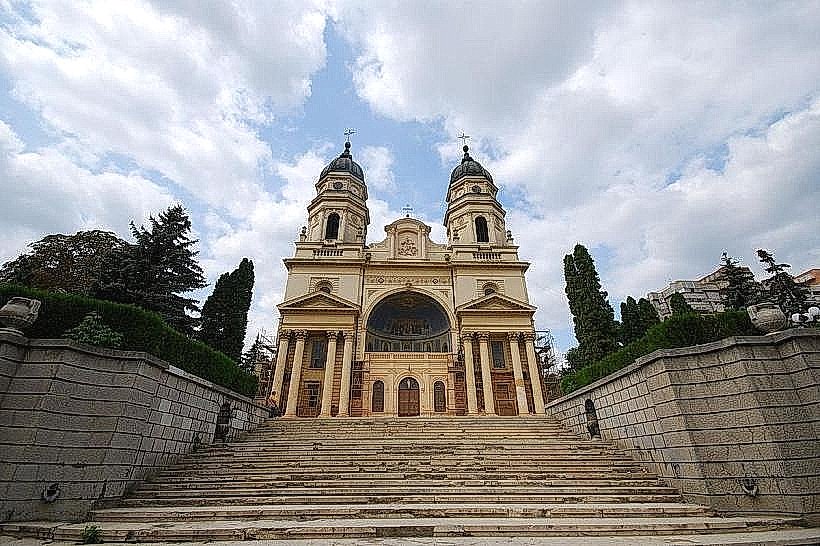
- Metropolitan Cathedral - 0.6km West
- Roman Catholic Cathedral - 0.7km West
- National Museum of Art Timișoara - 0.7km West
- Huniade Castle - 0.9km Southwest