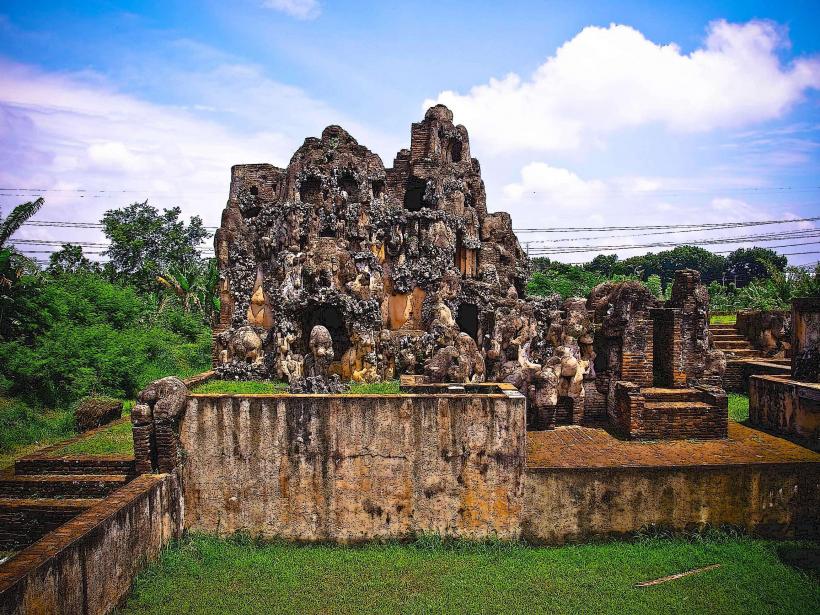
Landmark: Batu Luhur Temple
City: Cirebon
Country: Indonesia
Continent: Asia
Batu Luhur Temple, Cirebon, Indonesia, Asia
Batu Luhur Temple is a religious site located in Cirebon, Indonesia. It is situated on a hill overlooking the surrounding landscape.
Visual Characteristics
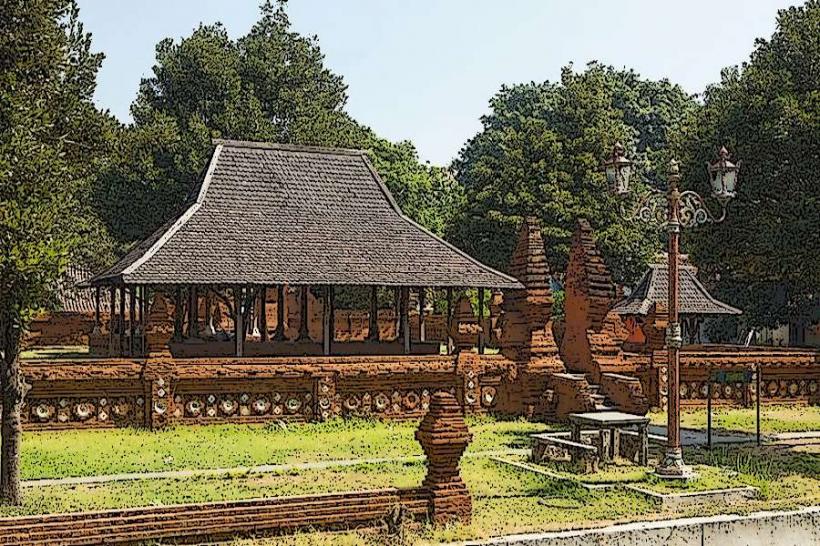
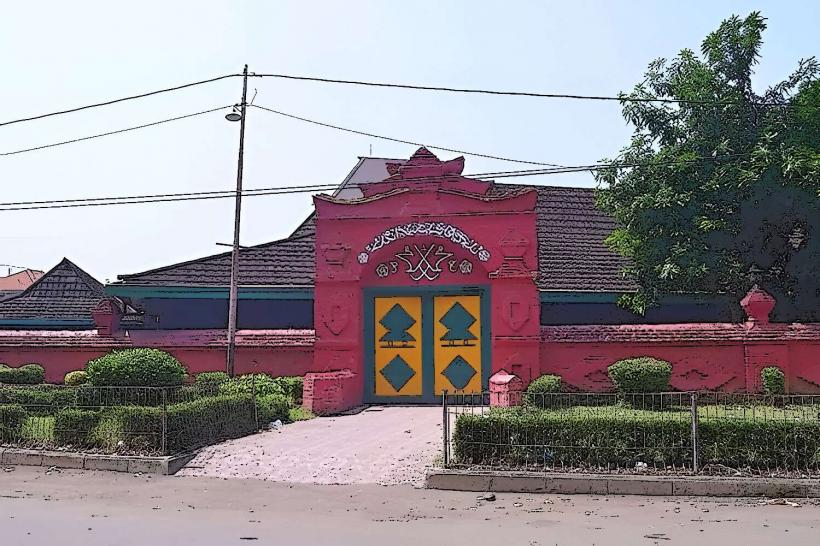
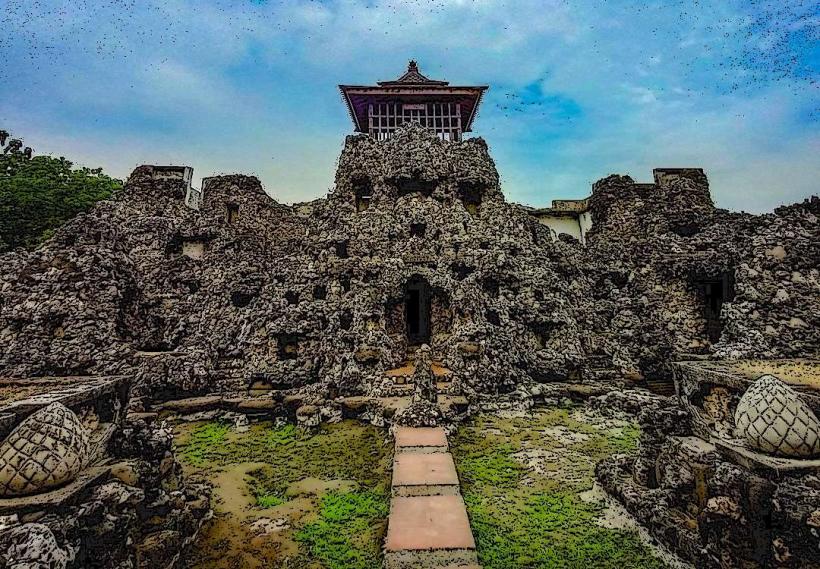
The temple complex is constructed primarily from natural stone, with some sections featuring red brick. The main structure is a multi-tiered pavilion with a dark, weathered stone facade. The rooflines are traditional Javanese, characterized by layered, sloping tiles. Vegetation, including mature trees and dense foliage, surrounds the temple structures.
Location & Access Logistics
Batu Luhur Temple is located approximately 15 kilometers west of Cirebon city center. Access is via Jalan Raya Cirebon-Kuningan, turning onto a smaller, paved road leading to the temple. Parking is available on-site in a designated gravel area. Public transport options are limited; local minibuses (angkot) operating on the Cirebon-Kuningan route can drop visitors at the junction, requiring a further 1-kilometer walk or a local motorcycle taxi (ojek).
Historical & Ecological Origin
The exact construction date of Batu Luhur Temple is not precisely documented, but local accounts suggest it has existed in some form for several centuries, predating the formal establishment of Cirebon as a sultanate. It is believed to have served as a place of worship and meditation for local spiritual leaders. The site is situated on a geological formation of sedimentary rock, common in the region.
Key Highlights & Activities
Visitors can explore the main temple building and smaller surrounding shrines. Observation points offer views of the Cirebon plains. Photography is permitted. The site is primarily for quiet contemplation and observation of the architecture and natural setting.
Infrastructure & Amenities
Basic restroom facilities are available near the parking area. Limited shade is provided by the temple structures and surrounding trees. Cell phone signal (4G) is generally available. There are no food vendors directly at the temple; visitors should bring their own provisions or purchase them in Cirebon.
Best Time to Visit
The best time for photography is in the late afternoon, approximately 15:00 to 17:00, when the sun angle provides softer light and longer shadows. The dry season, from May to September, offers the most pleasant weather with minimal rainfall. There are no tidal considerations for this inland site.
Facts & Legends
Local folklore suggests that the large, prominent stone at the temple's base, from which the temple derives its name ("Batu Luhur" meaning "High Stone"), possesses spiritual properties. It is said that making a sincere wish while touching the stone can lead to its fulfillment, though this is a matter of local belief.
Nearby Landmarks
- Keraton Kasepuhan (Cirebon Sultanate Palace) - 14km East
- Masjid Agung Sang Cipta Rasa - 13.5km East
- Taman Sari Gua Sunyaragi - 12km East
- Gunung Ciremai National Park (southern entrance) - 25km Southwest