Information
Landmark: Belgrade ZooCity: Belgrade
Country: Serbia
Continent: Europe
Belgrade Zoo, Belgrade, Serbia, Europe
The Belgrade Zoo is a zoological park housing various animal species. It is situated within the Belgrade Fortress in the city of Belgrade, Serbia.
Visual Characteristics
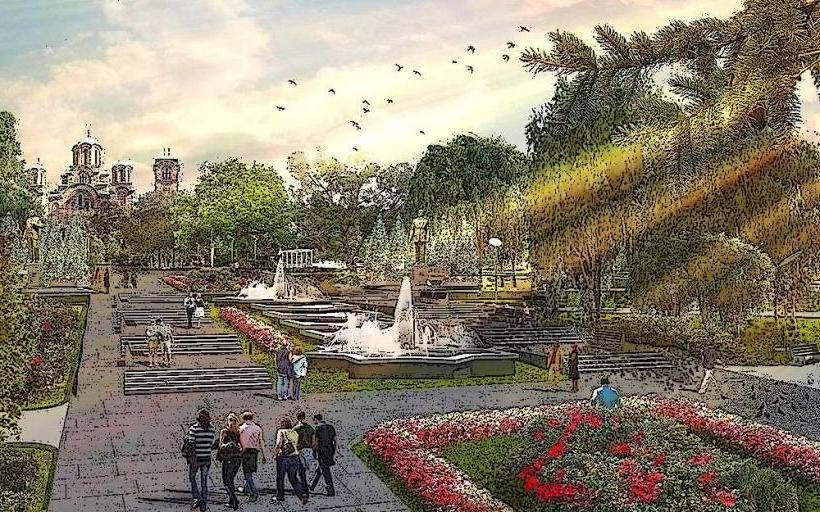
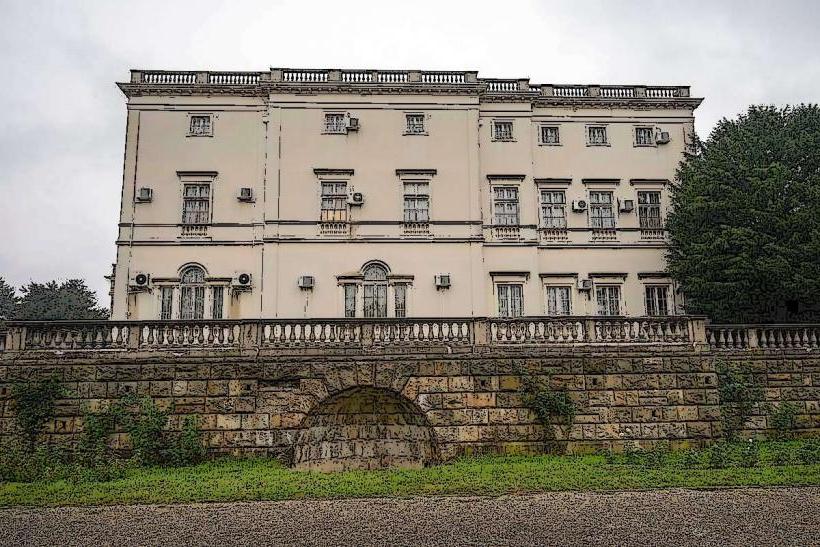
The Belgrade Zoo occupies approximately 7 hectares within the lower section of the Belgrade Fortress. Enclosures vary in design, incorporating natural elements like rock formations and vegetation, alongside concrete and metal barriers. The zoo features paved pathways, administrative buildings, and visitor facilities.
Location & Access Logistics
The Belgrade Zoo is located at Mali Kalemegdan 8, within the Belgrade Fortress. It is approximately 1.5 km northwest of Republic Square in the city center. Public transport options include tram lines 2, 5, 10, and bus lines 24, 26, 79, which have stops near the Kalemegdan Park entrance. Limited paid parking is available on surrounding streets, such as Tadeuša Košćuška, but is often congested.
Historical & Ecological Origin
The Belgrade Zoo was established on July 12, 1936, by the then-mayor of Belgrade, Vlada Ilić. Its original purpose was to provide a recreational and educational facility for the city's residents, showcasing diverse animal species. It is one of the oldest zoos in Europe.
Key Highlights & Activities
Visitors can observe over 2,000 animals representing 270 species, including big cats, primates, birds, and reptiles. A dedicated Children's Zoo area allows for closer interaction with domestic animals. Educational programs and feeding demonstrations are periodically scheduled.
Infrastructure & Amenities
Restrooms are available throughout the zoo premises. Shade is provided by mature trees and some covered areas. Cell phone signal (4G/5G) is generally strong across the site. Several kiosks and a restaurant offer food and beverage options.
Best Time to Visit
The Belgrade Zoo is open year-round. Spring (April-May) and autumn (September-October) offer moderate temperatures, ideal for animal activity and comfortable walking. Mornings, shortly after opening, typically have fewer crowds and cooler conditions.
Facts & Legends
The Belgrade Zoo is notable for its longevity, having survived significant damage during World War II bombings in 1941 and 1944. A specific historical oddity is the survival of the alligator Muja, believed to be the oldest living alligator in the world, having arrived at the zoo in 1937.
Nearby Landmarks
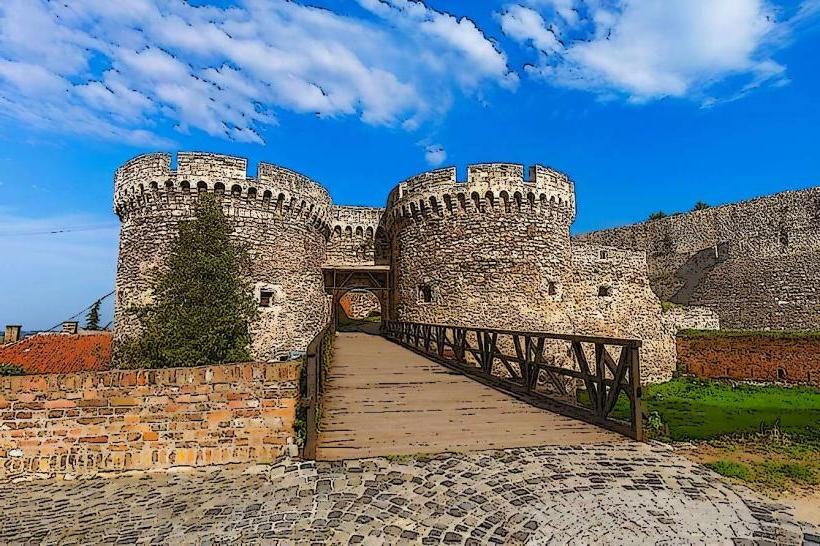
- Belgrade Fortress: 0.1km West
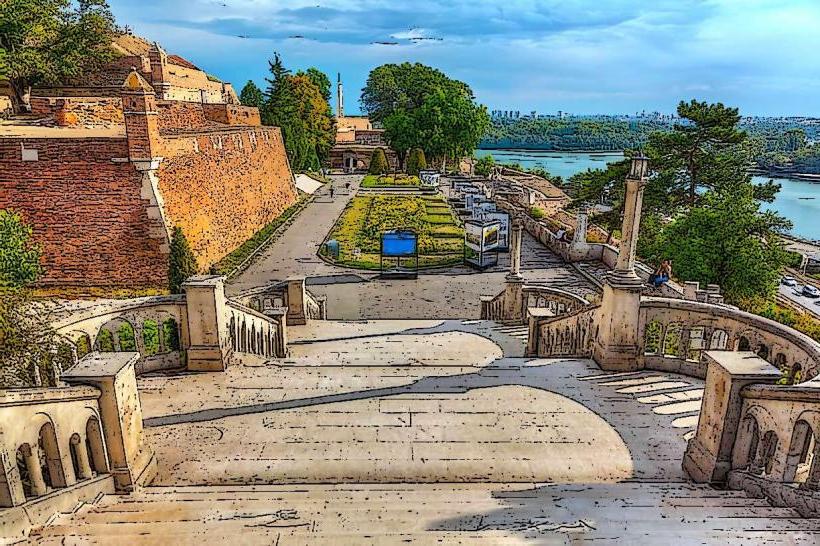
- Kalemegdan Park: 0.1km North
- Victor Monument: 0.5km Northwest
- Military Museum: 0.4km West
- Church of Saint Petka: 0.3km West