Information
Landmark: Belize Barrier ReefCity: San Pedro
Country: Belize
Continent: North America
Belize Barrier Reef, San Pedro, Belize, North America
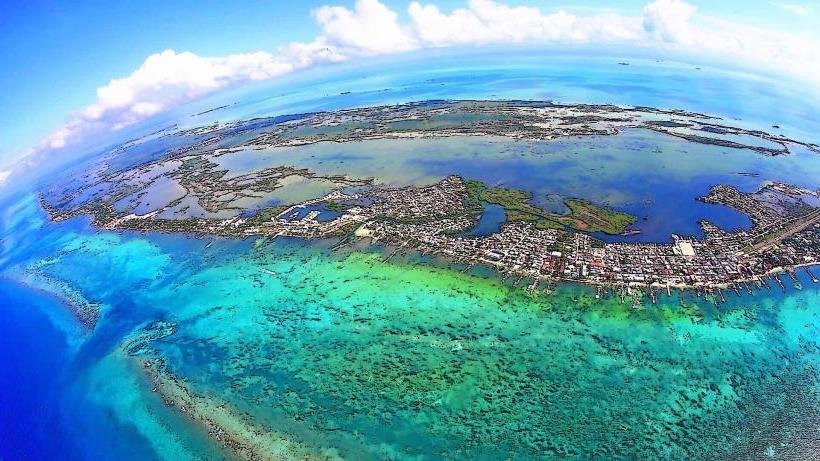
The Belize Barrier Reef is a marine ecosystem located off the coast of Belize in Central America. It is the second-largest barrier reef system in the world.
Visual Characteristics
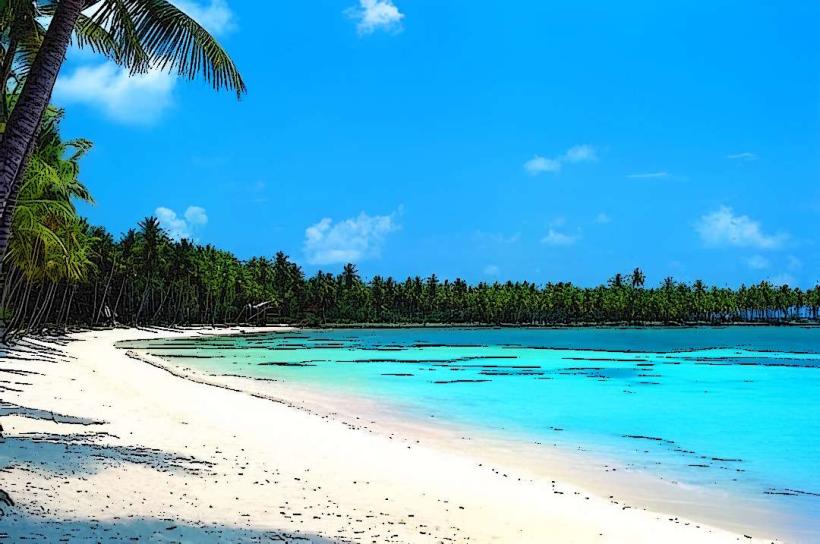
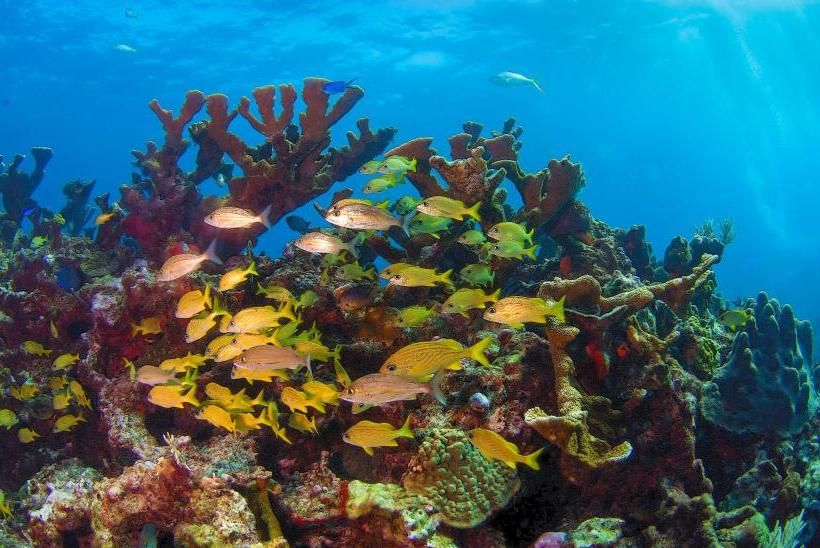
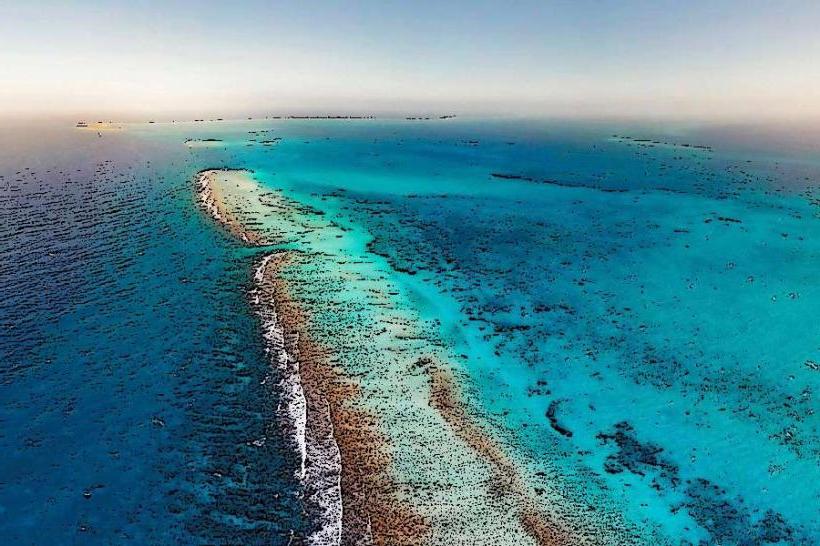
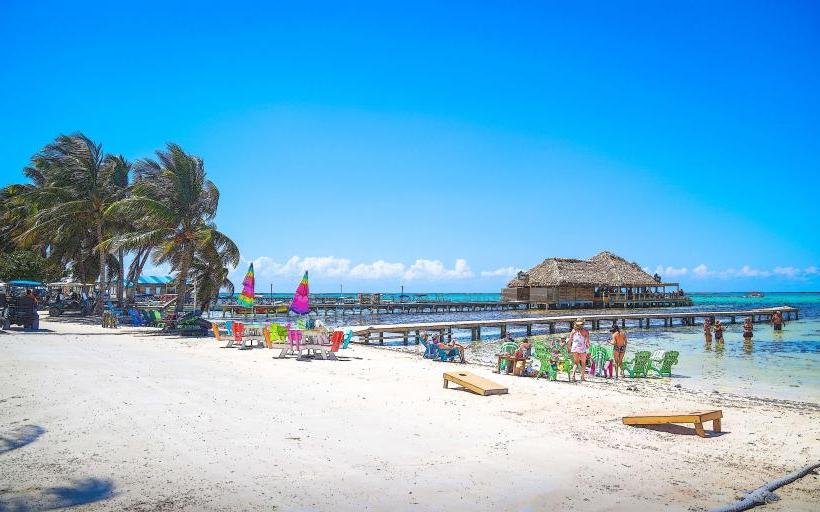
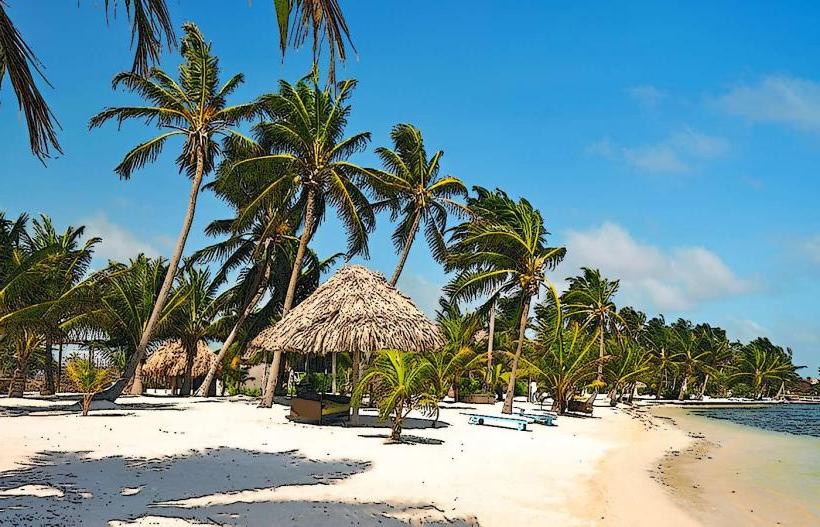
The reef comprises a complex network of coral formations, including fringing reefs, barrier reefs, atolls, and cayes. Coral species present include elkhorn, staghorn, brain, and fan corals. The water clarity typically ranges from 15 to 30 meters, with visibility influenced by currents and sediment. Marine life includes a diverse array of fish species, sea turtles, rays, and sharks.
Location & Access Logistics
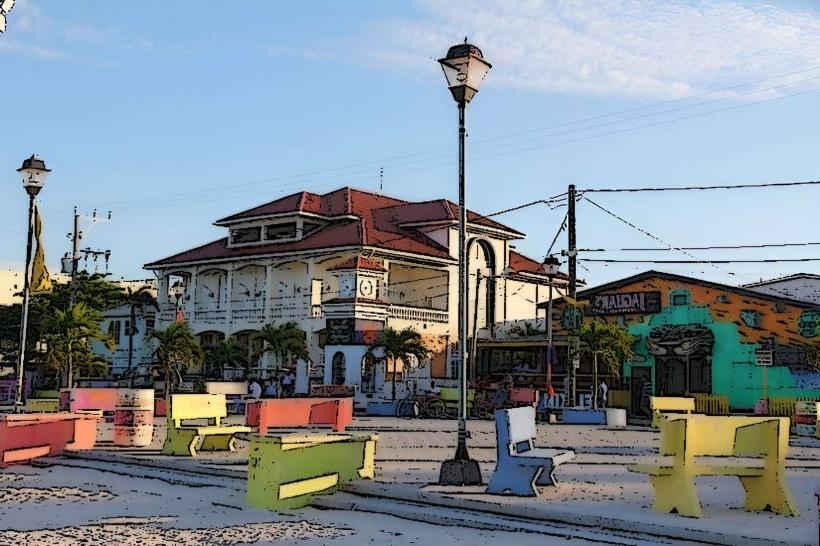
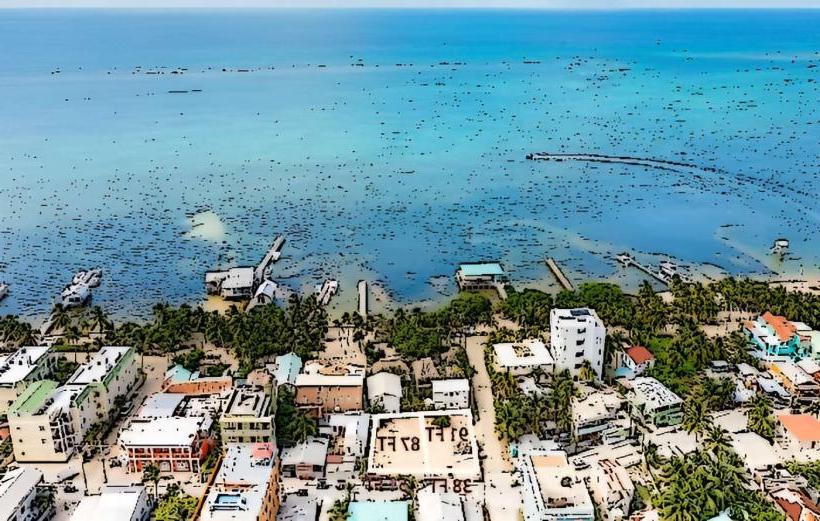
The Belize Barrier Reef extends approximately 300 kilometers along the Belizean coast. Access is primarily via boat from coastal towns such as San Pedro (Ambergris Caye), Caye Caulker, Placencia, and Hopkins. San Pedro is accessible by ferry or small aircraft from Belize City (Philip S. W. Goldson International Airport - BZE). Boat tours and dive operators depart regularly from these locations. No direct road access exists to the reef itself.
Historical & Ecological Origin
The Belize Barrier Reef is a geologically ancient structure, with its current form developing over the last 10,000 to 25,000 years following the last glacial period. It is classified as a Mesoamerican Barrier Reef System, a contiguous system of coral reefs and associated ecosystems. The reef's formation is a result of biological accretion by coral polyps over millennia.
Key Highlights & Activities
Activities include snorkeling, SCUBA diving, and freediving at designated sites such as the Great Blue Hole, Hol Chan Marine Reserve, and Shark Ray Alley. Kayaking and paddleboarding are possible around the cayes. Fishing is permitted in specific zones with appropriate licenses.
Infrastructure & Amenities
Limited infrastructure exists directly on the reef. Most amenities are located on nearby cayes or the mainland. Restrooms and food vendors are common in popular tourist areas like San Pedro and Caye Caulker. Cell phone signal (4G/5G) is generally available on the larger cayes and coastal towns but can be intermittent on smaller, more remote reef sections.
Best Time to Visit
The dry season, from November to May, offers the best weather conditions with lower rainfall and calmer seas. Visibility is typically highest during this period. For photography, early morning and late afternoon provide optimal lighting. High tide is generally preferred for snorkeling and diving to ensure adequate water depth over the coral.
Facts & Legends
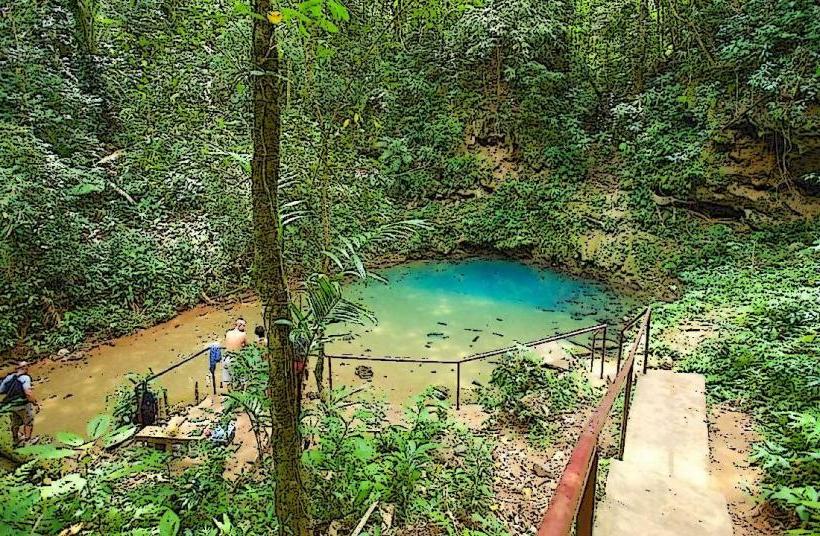
The Great Blue Hole, a large marine sinkhole within the reef system, is a popular dive site. Its formation is attributed to karst processes, where limestone caves were flooded as sea levels rose. Local folklore sometimes speaks of ancient underwater cities, though these are not supported by archaeological evidence.
Nearby Landmarks
- Ambergris Caye (San Pedro Town) - 0.1km West
- Hol Chan Marine Reserve - 6km Southwest
- Caye Caulker - 32km Southwest
- Bacalar Chico Marine Reserve - 40km North
- Turneffe Atoll - 45km Southwest