Landmark: Belur Math
City: Kolkata
Country: India
Continent: Asia
Belur Math, Kolkata, India, Asia
Belur Math is a temple complex situated on the west bank of the Hooghly River in Howrah, West Bengal, India, serving as the headquarters of the Ramakrishna Mission.
Visual Characteristics
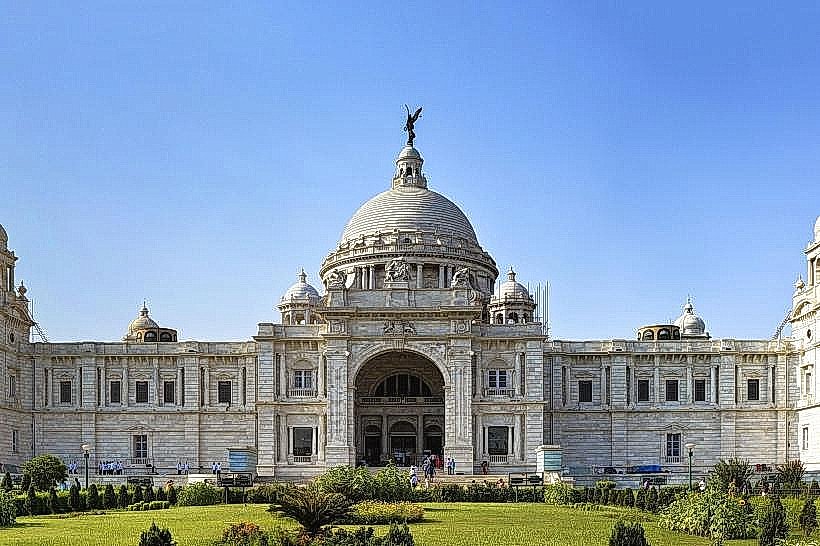
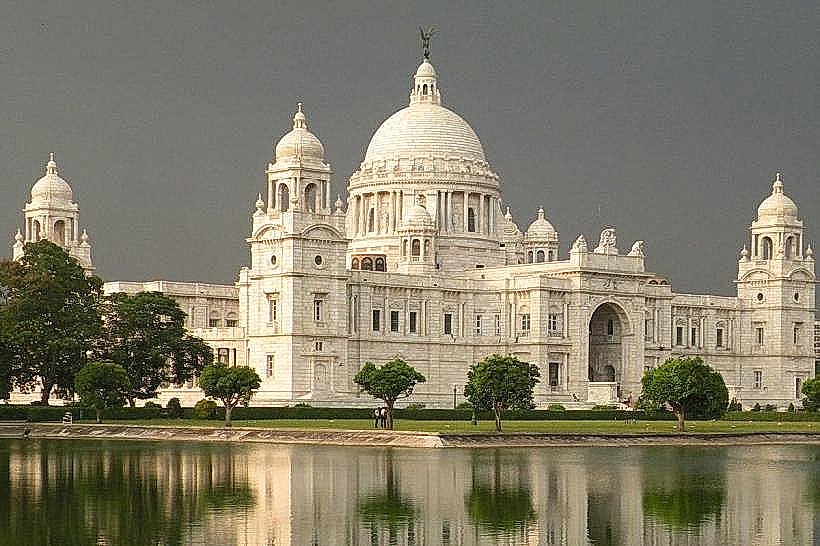
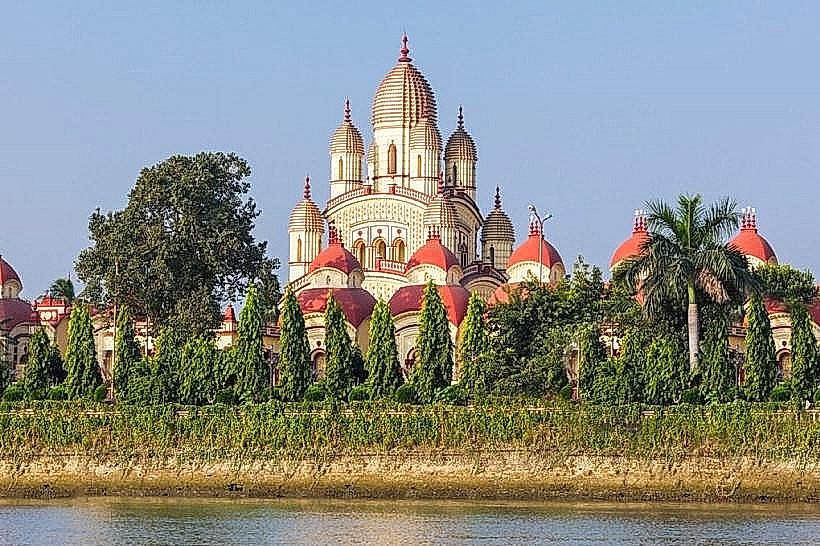
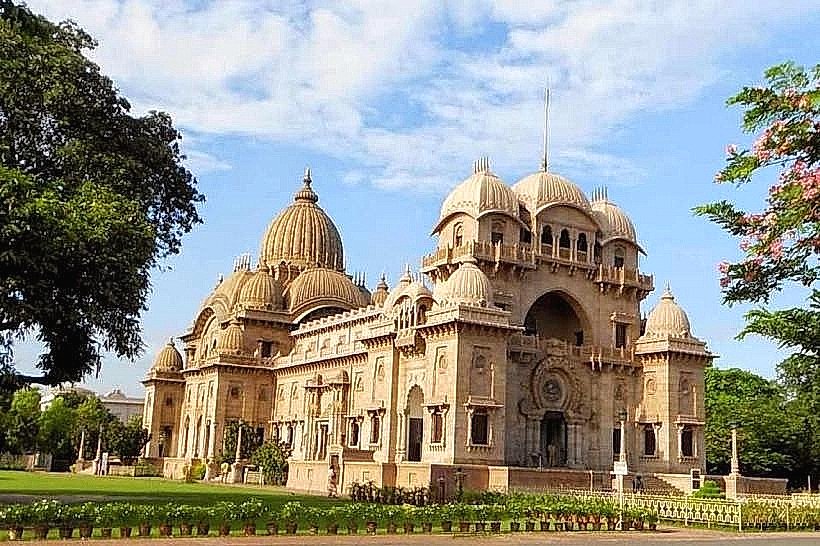
The main temple, known as the Sri Ramakrishna Temple, is constructed from red brick and sandstone. It features a distinctive architectural style that blends elements of Hindu, Islamic, and Christian designs, with a dome, minarets, and a spire. The complex also includes the Ramakrishna Museum, the Old Temple, and various residential buildings and gardens.
Location & Access Logistics
Belur Math is located approximately 11 kilometers north of Kolkata's city center. Access is primarily via Grand Trunk Road (NH 2) and then turning onto Belur Road. Public transport options include the CSTC bus route 54, which stops near the Math. Alternatively, one can take a local train to Belur Station and then a short auto-rickshaw ride. Ferry services are also available from Bagbazar Ghat in Kolkata to Belur Ghat.
Historical & Ecological Origin
The foundation stone for the Sri Ramakrishna Temple was laid on March 13, 1935. The complex was established by Swami Vivekananda in 1898 as the headquarters of the Ramakrishna Mission, a spiritual organization dedicated to service and humanitarian work. The site itself is situated on the banks of the Hooghly River, a distributary of the Ganges.
Key Highlights & Activities
Visitors can explore the Sri Ramakrishna Temple, the Ramakrishna Museum, and the Samadhi Mandir. Daily prayer and meditation sessions are held. Guided tours of the complex are available. The grounds offer opportunities for walking and quiet contemplation.
Infrastructure & Amenities
Restrooms are available within the complex. Shaded areas are present in the gardens and under verandas. Cell phone signal (4G/5G) is generally available. Food vendors are not located within the Math premises, but small eateries can be found outside the main gate.
Best Time to Visit
The best time of day for photography of the main temple is during the morning or late afternoon when the light is softer. The most favorable months for visiting are from October to March, when the weather is cooler and drier. There are no specific tide requirements for visiting.
Facts & Legends
The architectural design of the main temple is intentionally eclectic, symbolizing the universal nature of truth and the harmony of all religions, a core tenet of Swami Vivekananda's philosophy. It is said that Swami Vivekananda himself chose the site for its serene environment.
Nearby Landmarks
- Dakshineswar Kali Temple (1.5km Northeast)
- Bally Bridge (3km South)
- Vivekananda Setu (3km South)
- Indian Institute of Engineering Science and Technology, Shibpur (4.5km Southwest)