Landmark: Bénoué National Park
City: Garoua
Country: Cameroon
Continent: Africa
Bénoué National Park, Garoua, Cameroon, Africa
Bénoué National Park is a protected area located in northern Cameroon, situated within the Garoua administrative region.
Visual Characteristics
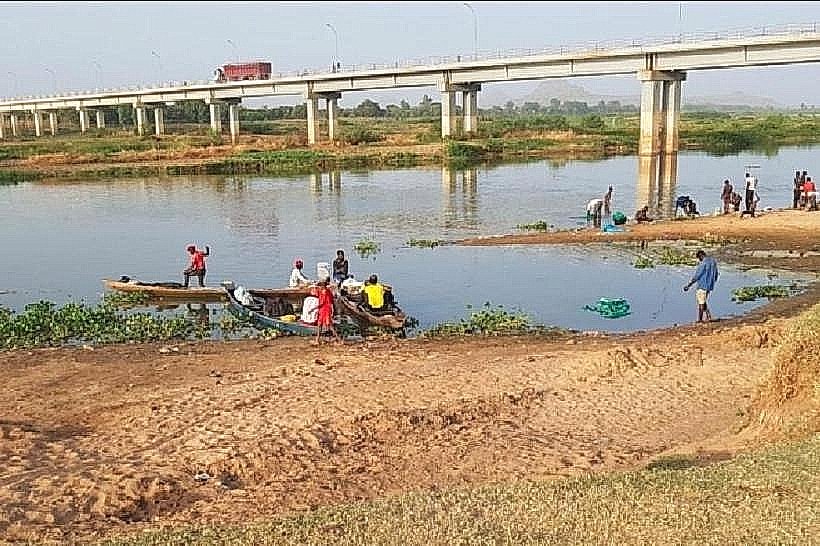
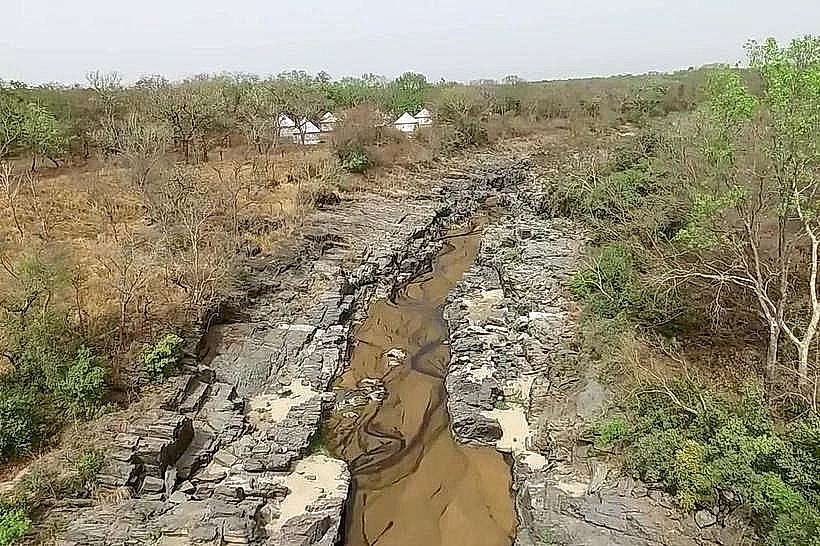
The park's terrain consists of savanna grasslands interspersed with gallery forests along watercourses. Dominant vegetation includes various species of acacia and baobab trees. The landscape is generally flat to gently rolling, with some rocky outcrops. The Bénoué River, a significant water feature, flows through the park.
Location & Access Logistics
Bénoué National Park is approximately 100 kilometers north of Garoua. Access is primarily via the N1 national road, which passes through the park. The main entrance is located near the town of Pitoa. Unpaved tracks within the park require a 4x4 vehicle, especially during the rainy season. Limited public transport operates on the N1; private vehicles or organized tours are the most practical means of access. Parking is available at the park headquarters and designated rest areas.
Historical & Ecological Origin
Established in 1932 as a forest reserve, Bénoué National Park was designated a national park in 1968. Its ecological classification is Sudanian savanna, characterized by a distinct dry and wet season. The park was created to protect its significant wildlife populations, particularly large mammals.
Key Highlights & Activities
Game drives are the primary activity, offering opportunities to observe wildlife. Birdwatching is also a significant draw. Hiking is permitted on designated trails, particularly around the park headquarters. Fishing is allowed in the Bénoué River under specific regulations.
Infrastructure & Amenities
The park headquarters at Pitoa provides basic facilities, including a small administrative office and limited accommodation options. Restrooms are available at the headquarters. Shade is provided by trees in certain areas. Cell phone signal is intermittent and generally unreliable within the park. No food vendors are present inside the park; visitors should bring their own supplies.
Best Time to Visit
The dry season, from November to April, is the optimal period for wildlife viewing as animals congregate around water sources. The best time of day for photography is early morning and late afternoon when light is softer and animals are more active. The Bénoué River's water levels are highest during the wet season (May to October), impacting accessibility.
Facts & Legends
Bénoué National Park is known for its population of West African manatees, a rare and elusive species. Local folklore speaks of ancient spirits guarding the park's most sacred groves, discouraging unauthorized entry into certain areas.
Nearby Landmarks
- Boubandjida National Park (150km South-West)
- Faro National Park (120km North-West)
- Lake Tchad (200km North-East)
- Garoua City (100km South)