Landmark: Brandenburg Gate
City: Berlin
Country: Germany
Continent: Europe
Brandenburg Gate, Berlin, Germany, Europe
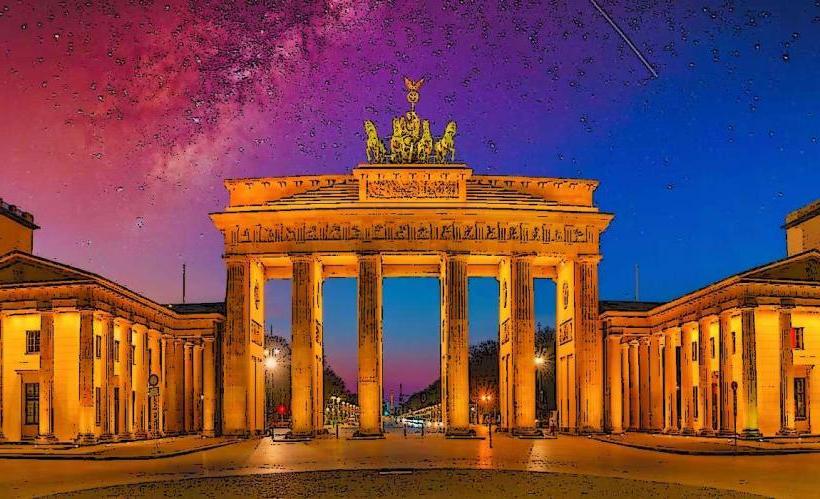
The Brandenburg Gate (Brandenburger Tor) is an 18th-century neoclassical monument in Berlin, located at the western end of the Unter den Linden boulevard. It is Germany’s most famous landmark and a global symbol of European unity and peace.
Visual Characteristics
The gate is a sandstone structure consisting of 12 Doric columns, forming five portals. It is topped by the Quadriga, a bronze sculpture of a chariot pulled by four horses driven by Victoria, the Roman goddess of victory. The architecture is modeled after the Propylaea, the gateway to the Acropolis in Athens.
Location & Access Logistics
Address: Pariser Platz, 10117 Berlin.
Transit: Served by the S+U Brandenburger Tor station (S1, S2, S25, S26 and U5).
Access: The gate and Pariser Platz are entirely pedestrianized.
Parking: Extremely limited; visitors should use the underground garage at Sony Center (Potsdamer Platz) or Friedrichstraße.
Historical & Ecological Origin
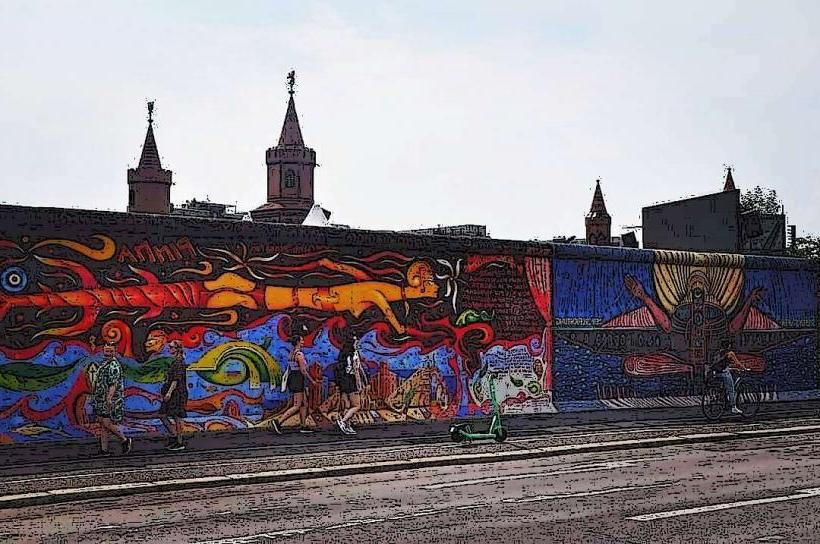
Commissioned by King Frederick William II of Prussia, it was built between 1788 and 1791 by Carl Gotthard Langhans. During the Cold War, the gate stood in the "death strip" of the Berlin Wall, inaccessible to both East and West Berliners. It became the backdrop for Ronald Reagan’s 1987 "Tear down this wall!" speech and the site of massive celebrations during the wall's fall in 1989.
Key Highlights & Activities
Pariser Platz: The square surrounding the gate, home to the Hotel Adlon and the US and French embassies.
Room of Silence: Located in the northern wing of the gate, providing a space for meditation and reflection.
The Quadriga: A focal point for photography; the horses face east toward the city center.
Festival of Lights: Every October, the gate serves as a primary canvas for large-scale light projections.
Infrastructure & Amenities
The area is fully wheelchair accessible. 5G coverage is excellent. Public restrooms are located underground at the Brandenburger Tor S-Bahn station. Numerous kiosks and cafes are situated within a 200-meter radius.
Best Time to Visit
The gate is accessible 24/7. Sunrise is the optimal time for photography to avoid crowds. At night, the monument is illuminated by high-intensity floodlights.
Facts & Legends
A verified historical fact is that Napoleon Bonaparte stole the Quadriga in 1806 and took it to Paris as a trophy; it was returned to Berlin in 1814 after Napoleon's defeat. A local "legend" often cited by guides is that the gate was deliberately designed so the central passage was wider, reserved exclusively for the Royal Family.
Nearby Landmarks
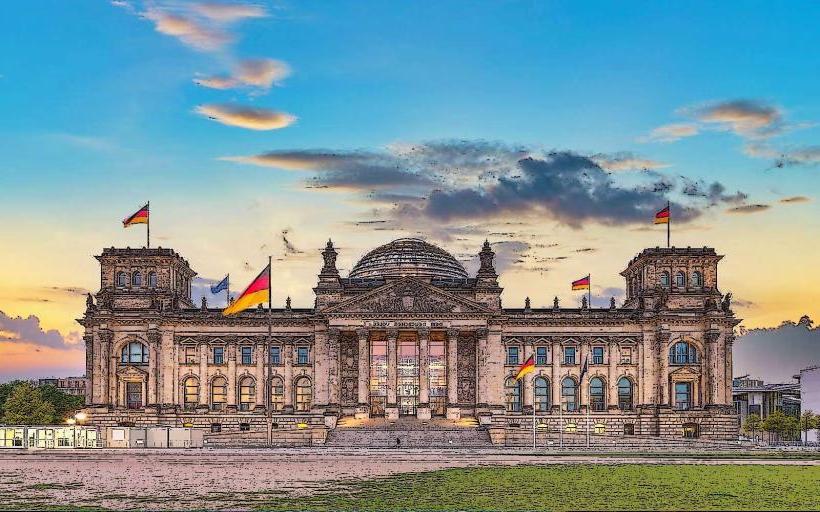
Reichstag Building: 0.3km North
Memorial to the Murdered Jews of Europe: 0.2km South
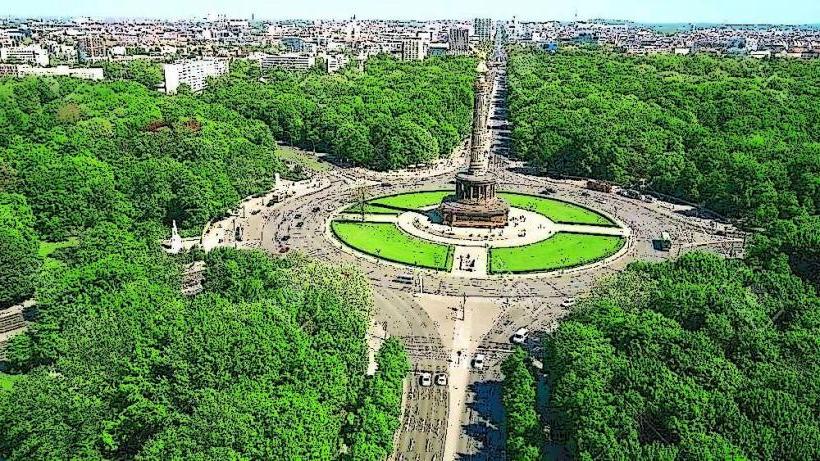
Tiergarten Park: Immediate West
Victory Column (Siegessäule): 2.0km West (via Straße des 17. Juni)