Landmark: Campo Sant’Angelo
City: Venice
Country: Italy
Continent: Europe
Campo Sant’Angelo, Venice, Italy, Europe
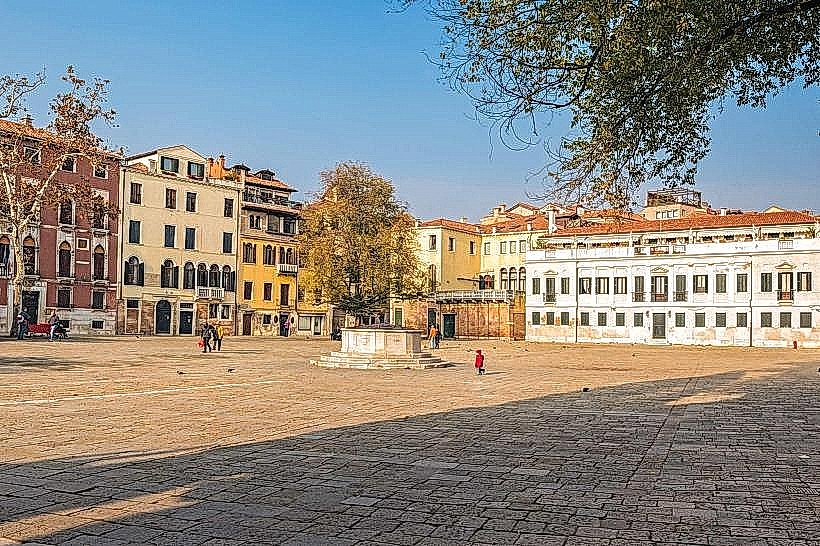
Campo Sant’Angelo is a public square located in the San Polo district of Venice, Italy. It serves as a central gathering point and a historical intersection within the city's urban fabric.
Visual Characteristics
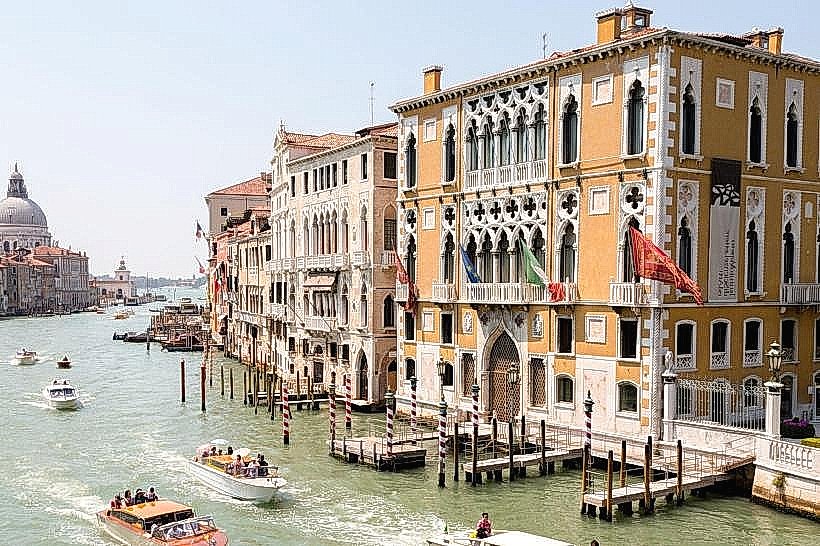
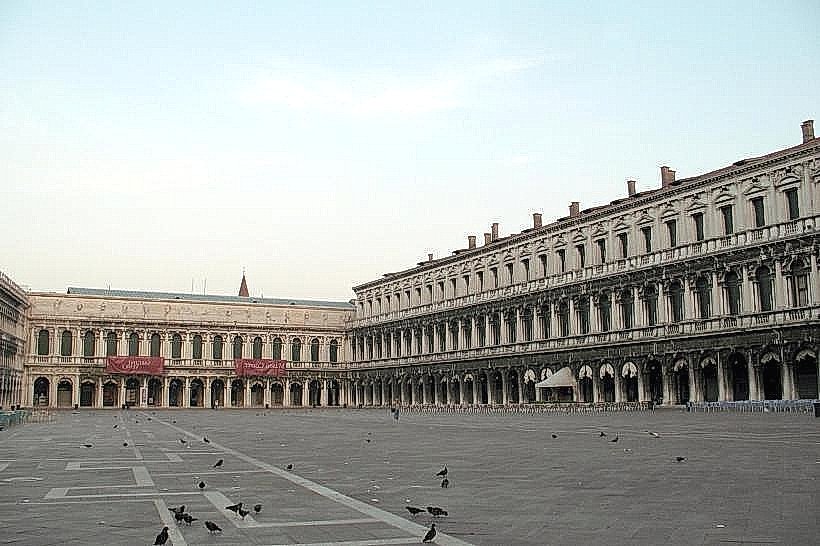
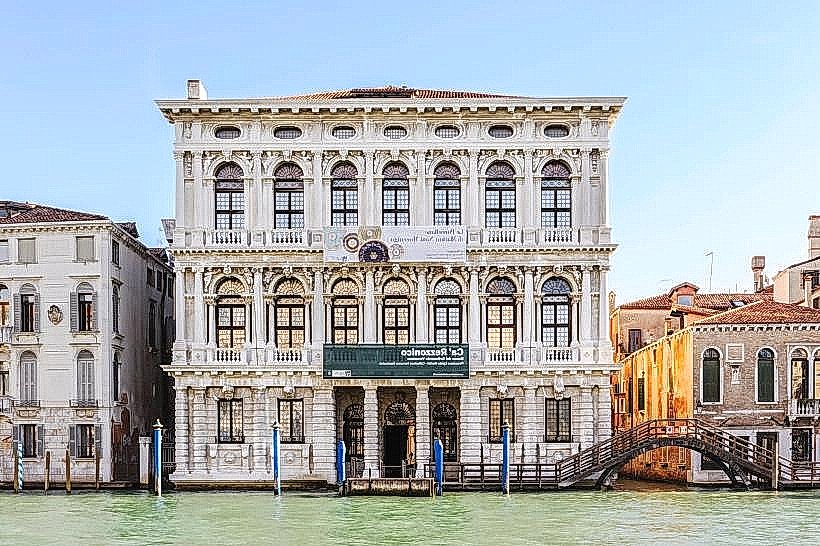
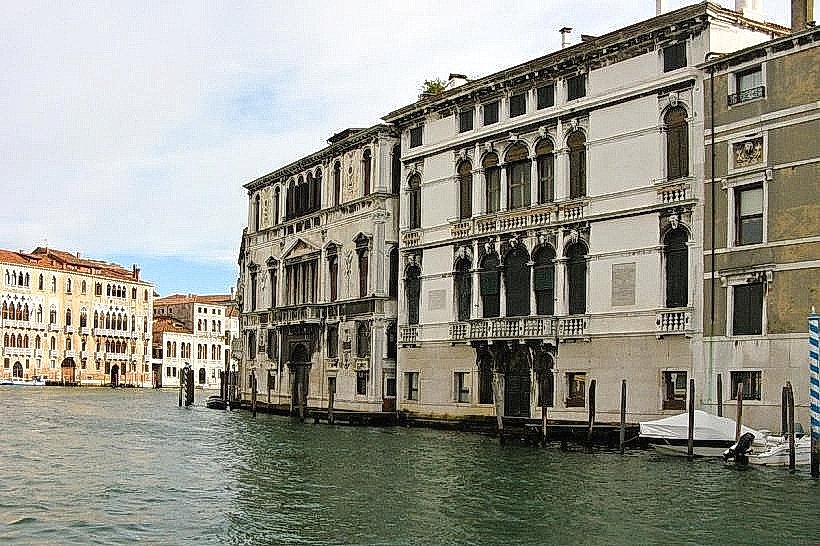
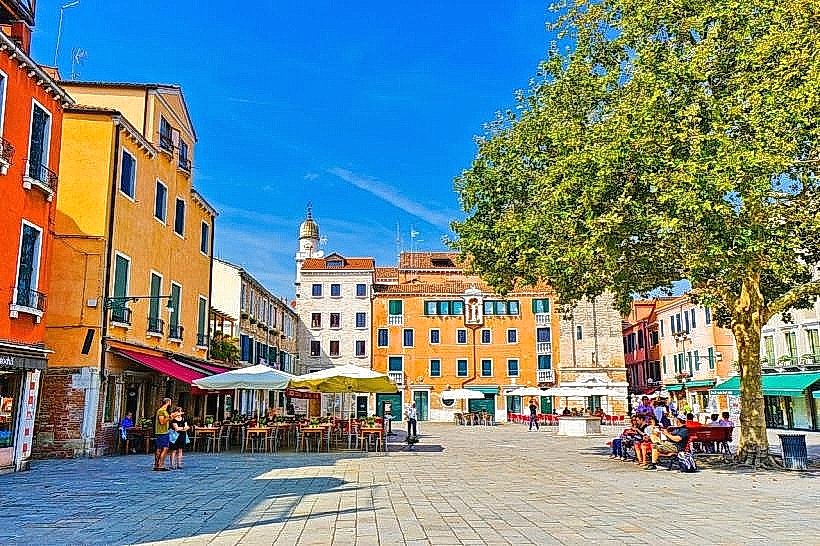
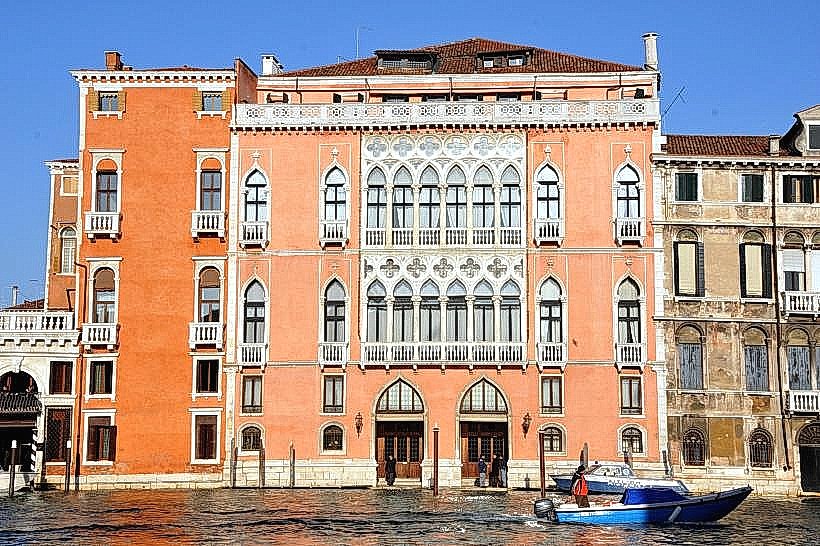
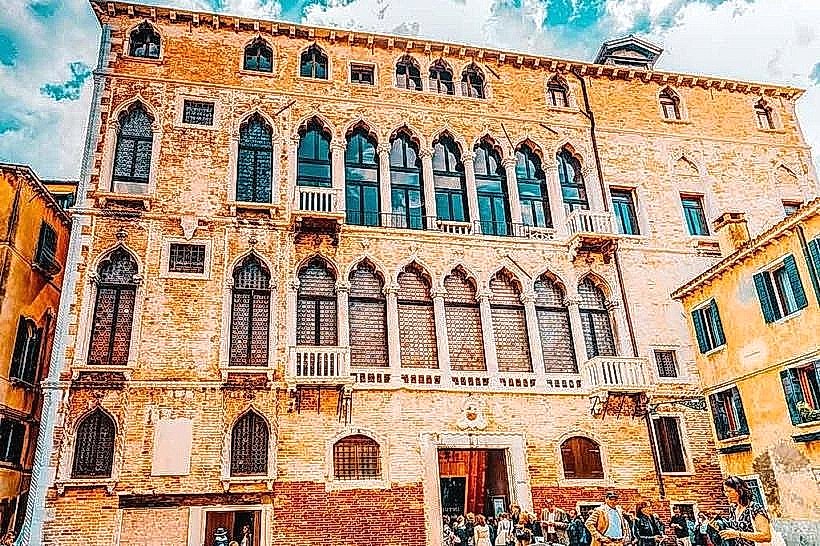
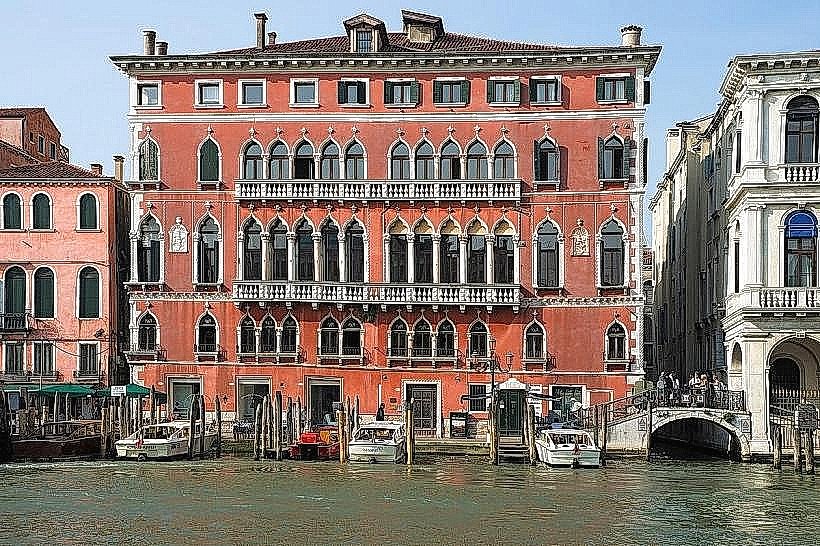
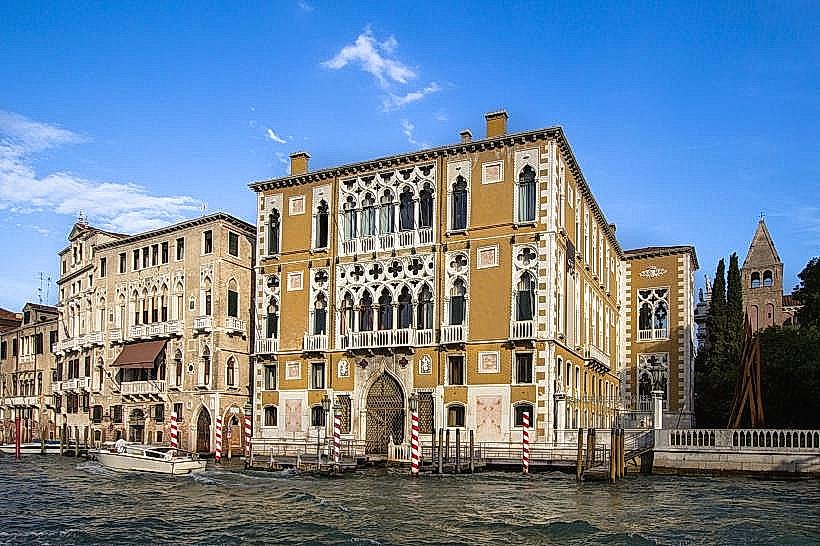
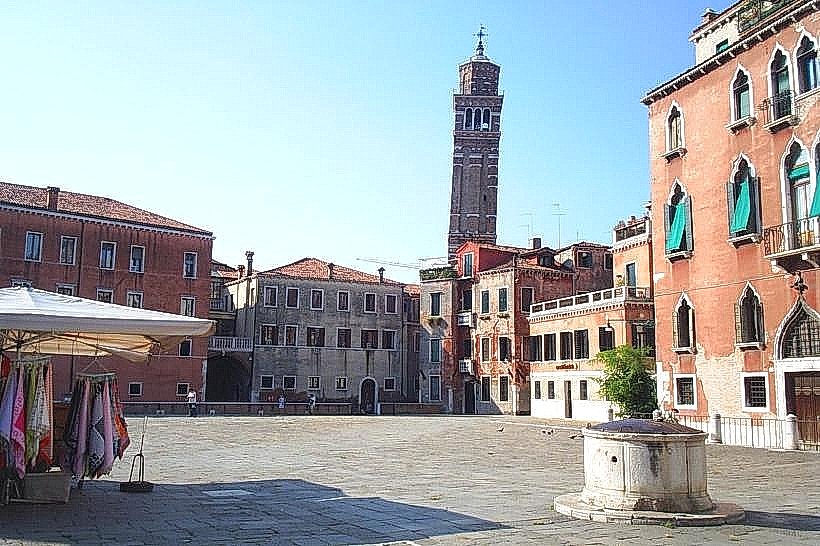
The campo is paved with brick and surrounded by multi-story Venetian Gothic and Renaissance-style buildings. Facades are typically rendered in muted earth tones, with arched windows and decorative stonework. The central feature is a wellhead, often made of Istrian stone, and the area is generally open with minimal vegetation.
Location & Access Logistics
Campo Sant’Angelo is situated approximately 500 meters west of the Rialto Bridge. Access is primarily on foot via the city's network of narrow streets (calli) and bridges. The nearest Vaporetto (water bus) stop is San Tomà, located about 300 meters to the southwest, served by lines 1 and 2. There is no vehicle access or parking directly at the campo.
Historical & Ecological Origin
The origins of Campo Sant’Angelo date back to the medieval period, evolving from a residential and commercial area. The name derives from the former church of Sant'Angelo, which was demolished in the early 19th century. The campo's current form reflects centuries of urban development and adaptation within Venice's lagoon environment.
Key Highlights & Activities
Visitors can observe the architectural details of the surrounding palazzi. The campo functions as a local meeting place and a point of transit. Small shops and cafes are often present along its perimeter. Photography of the urban architecture is a common activity.
Infrastructure & Amenities
Basic amenities include the central wellhead. Public restrooms are not directly on the campo but are available in nearby establishments or public facilities within a short walking distance. Cell phone signal (4G/5G) is generally consistent. Limited food and drink options may be available from adjacent businesses.
Best Time to Visit
For optimal lighting for photography, early morning or late afternoon provides softer light. Midday can be crowded. The campo is accessible year-round, with weather considerations similar to the rest of Venice; spring and autumn offer milder temperatures.
Facts & Legends
A notable historical oddity is the presence of a cannonball embedded in the facade of a building on the north side of the campo, a remnant from a 17th-century bombardment. Local lore suggests it was fired by a disgruntled Venetian noble.
Nearby Landmarks
- Rialto Bridge (0.5km East)
- Basilica dei Frari (0.4km West)
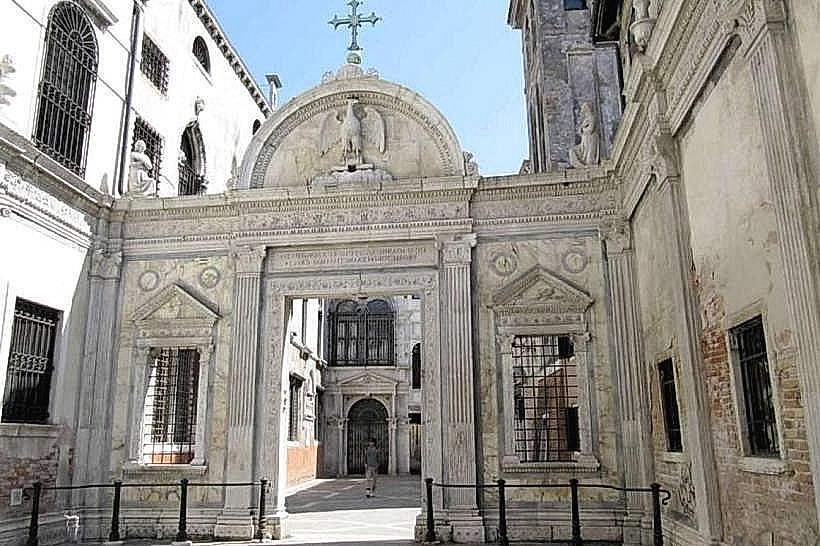
- Scuola Grande di San Rocco (0.3km Northwest)
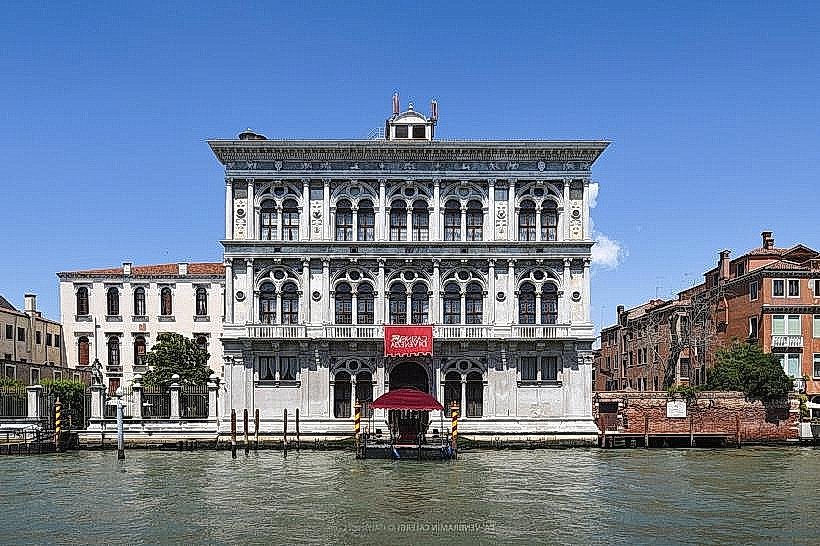
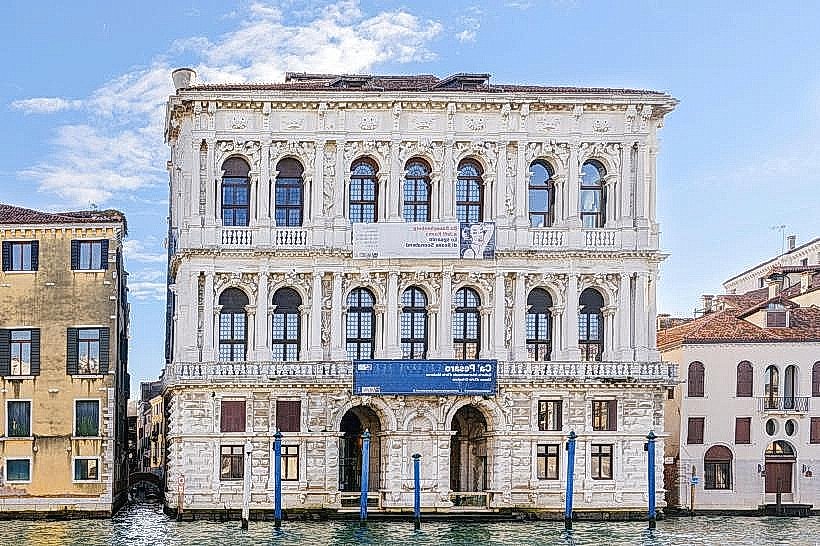
- Ca' Pesaro (0.6km South)
- Campo San Polo (0.2km Southwest)