Landmark: Castillo de San Pedro de la Roca
City: Santiago de Cuba
Country: Cuba
Continent: North America
Castillo de San Pedro de la Roca, Santiago de Cuba, Cuba, North America
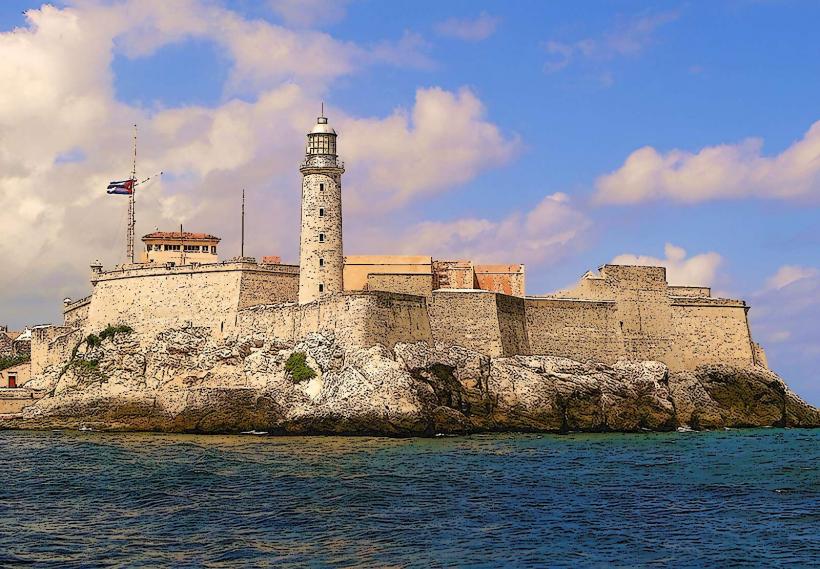
Castillo de San Pedro de la Roca is a 17th-century Spanish fortress located on a rocky promontory overlooking the entrance to Santiago de Cuba Bay.
This UNESCO World Heritage site served as a primary defense against pirate and enemy naval attacks.
Visual Characteristics
The fortress is constructed primarily from local limestone and mortar. Its walls are thick, with ramparts and bastions designed for artillery placement. The structure follows a tiered design, ascending the rocky incline. The dominant color is a pale, weathered stone, with darker accents from wooden doors and ironwork. Several levels of fortifications are visible, including a main citadel and lower defensive batteries.
Location & Access Logistics
The castle is situated approximately 10 kilometers southwest of the city center of Santiago de Cuba. Access is via Carretera del Morro, a paved road. Parking is available at the base of the fortress and at designated points along the access road. Public transport options are limited; a taxi or private vehicle is the most direct method of arrival. Bus routes do not directly service the fortress entrance.
Historical & Ecological Origin
Construction began in 1638 under the direction of engineer Juan Bautista Antonelli, with significant expansion and modification occurring throughout the late 17th and early 18th centuries. Its original purpose was to protect the strategically important port of Santiago de Cuba from maritime threats, including buccaneers and corsairs. The fortress is built upon a natural geological formation of volcanic rock, providing a strong foundation and elevated defensive position.
Key Highlights & Activities
Exploration of the various defensive levels, including the ramparts and gun emplacements. Viewing the historical exhibits within the fortress buildings. Observing the panoramic views of the bay and coastline. Photography of the architectural elements and surrounding landscape.
Infrastructure & Amenities
Restrooms are available within the fortress complex. Limited shaded areas are present, primarily within the interior courtyards and some covered walkways. Cell phone signal (3G/4G) is generally available. Food vendors are not located directly within the fortress, but are present in the vicinity of the parking areas and along the access road.
Best Time to Visit
For optimal lighting conditions for photography, early morning (before 10:00 AM) or late afternoon (after 3:00 PM) is recommended. The months of December through April offer the driest weather. High tide is not a critical factor for visiting the fortress itself, as it is situated well above sea level.
Facts & Legends
A notable historical detail is the fortress's role in repelling an attack by Sir Francis Drake in 1599, prior to the construction of the current fortifications. Local lore sometimes speaks of hidden tunnels connecting the fortress to the city, though their existence remains unverified.
Nearby Landmarks
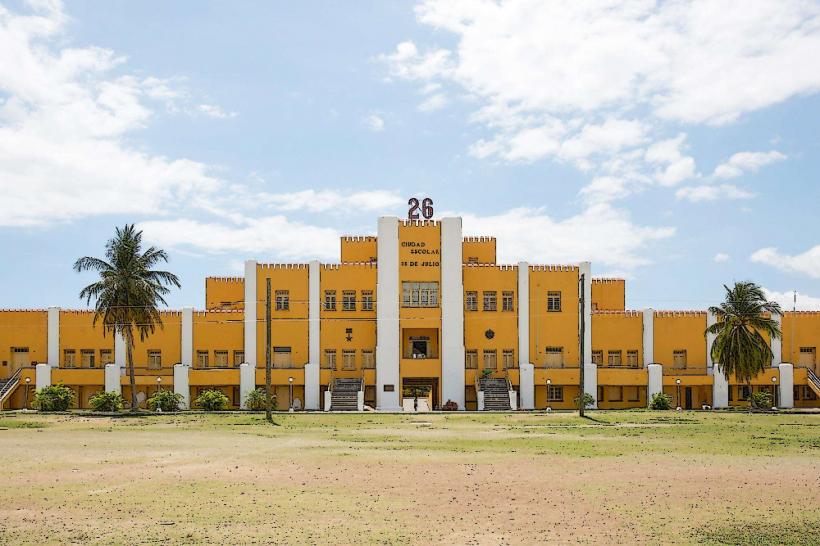
- Museo Histórico 26 de Julio (0.8km Northeast)
- Parque de las Enramadas (9.5km Northeast)
- Catedral de Santiago de Cuba (9.8km Northeast)
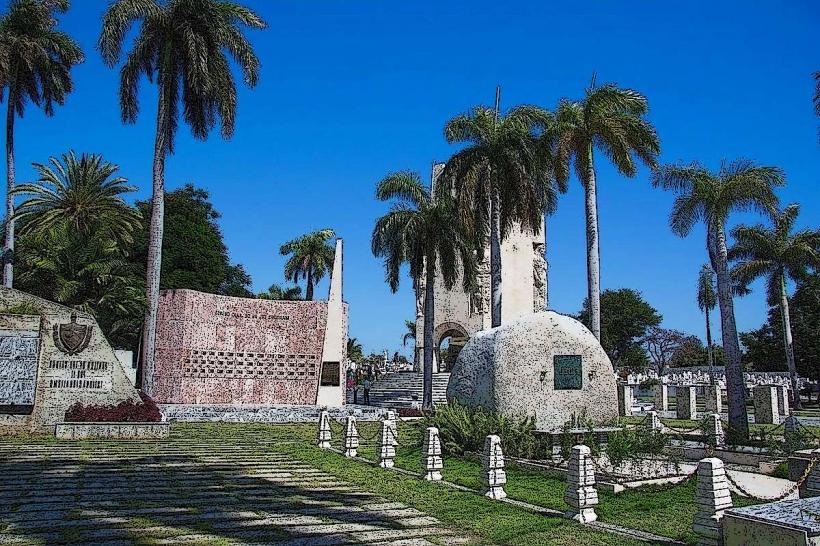
- Cementerio Santa Ifigenia (8.0km Northeast)