Information
Landmark: Catedral de Santa AnaCity: Gran Canaria
Country: Canary Islands
Continent: Europe
Catedral de Santa Ana, Gran Canaria, Canary Islands, Europe
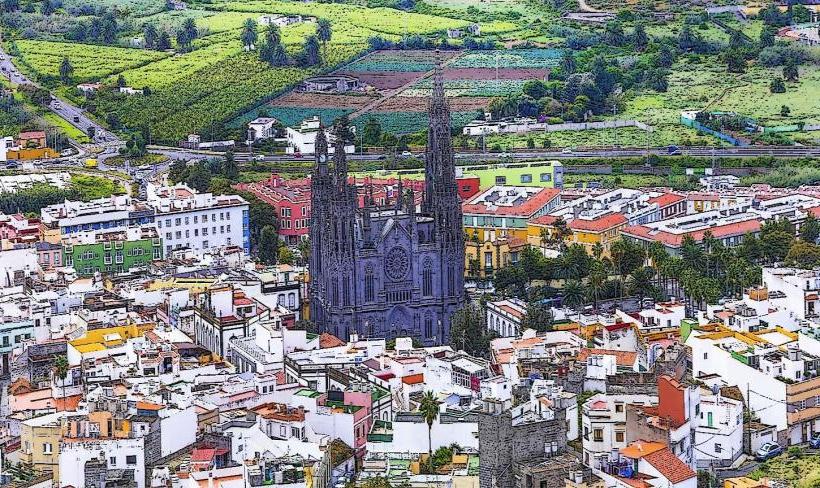
The Catedral de Santa Ana is a Roman Catholic cathedral located in the Vegueta district of Las Palmas de Gran Canaria, Canary Islands. It functions as the seat of the Diocese of the Canaries.
Visual Characteristics
The cathedral exhibits a blend of architectural styles due to its prolonged construction period. The exterior features a predominantly Neoclassical facade with two prominent bell towers, constructed from dark volcanic stone. The interior is primarily Gothic, characterized by three naves, pointed arches, and ribbed vaults. The main material used is local dark basalt stone, giving it a somber yet imposing appearance. The central nave reaches a height of approximately 30 meters.
Location & Access Logistics
The Catedral de Santa Ana is situated in the historic Vegueta district, specifically at Plaza de Santa Ana. It is approximately 5 kilometers south of the city center's Santa Catalina Park. Access by car is via GC-1, exiting towards Vegueta. Limited street parking is available, but underground parking garages such as Parking Vegueta or Parking San Telmo are within a 5-10 minute walk. Public transport is accessible via several bus lines (e.g., Global Bus lines 1, 12, 17, 25, 80, 84, 91) with stops at Teatro Pérez Galdós or San Telmo, both within walking distance of the cathedral.
Historical & Ecological Origin
Construction of the Catedral de Santa Ana commenced in 1500, shortly after the conquest of Gran Canaria by the Castilian Crown. The initial design was Gothic, attributed to architect Diego Alonso de Montaude. The cathedral underwent several phases of construction and redesign over nearly four centuries, leading to its eclectic architectural mix. Notable contributions include the Neoclassical facade completed in the 19th century by architects like Luján Pérez and Fernando Navarro. Its original purpose was to serve as the primary ecclesiastical center for the newly established diocese.
Key Highlights & Activities
Visitors can explore the cathedral's interior, observing its Gothic naves and chapels. Climbing the south bell tower provides panoramic views of the Vegueta district and the city of Las Palmas. The Diocesan Museum of Sacred Art, located within the cathedral complex, displays religious artifacts and artworks. Access to the bell tower and museum typically requires a separate entrance fee.
Infrastructure & Amenities
Restrooms are available within the Diocesan Museum of Sacred Art. The interior of the cathedral provides ample shade. Cell phone signal (4G/5G) is generally strong throughout the area. Numerous cafes, restaurants, and small shops are located directly on Plaza de Santa Ana and in the surrounding Vegueta streets, offering food and beverage options.
Best Time to Visit
The best time to visit for photography and to avoid large crowds is during the morning hours, shortly after opening, typically between 10:00 and 12:00. The natural light entering the stained-glass windows is also favorable during this period. The months from October to May offer the most temperate weather conditions in Gran Canaria, with less heat and humidity compared to the summer months.
Facts & Legends
A local legend states that the two stone dogs guarding the entrance to the Plaza de Santa Ana, facing the cathedral, are not merely decorative but symbolize the loyalty and vigilance of the Canarian people. Historically, the cathedral's construction was so protracted that it became a local saying, "It's taking longer than the Cathedral of Santa Ana," to describe any lengthy endeavor.
Nearby Landmarks
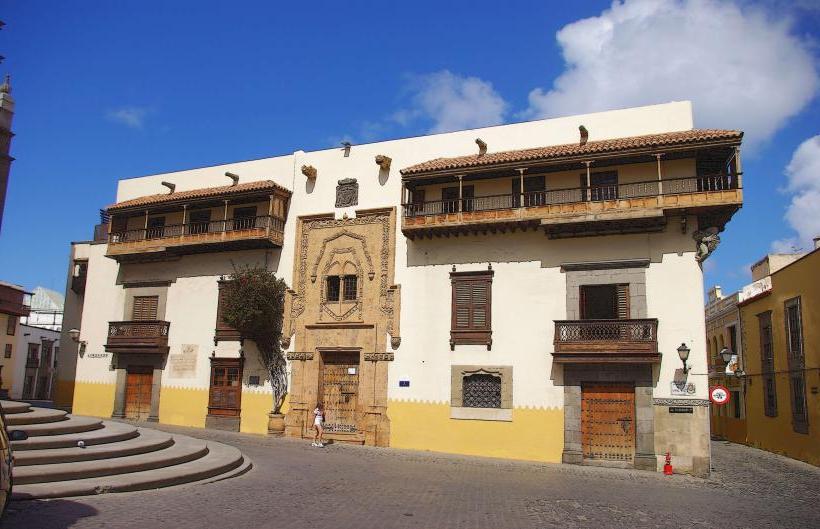
- Casa de Colón (Columbus House Museum): 0.2km North
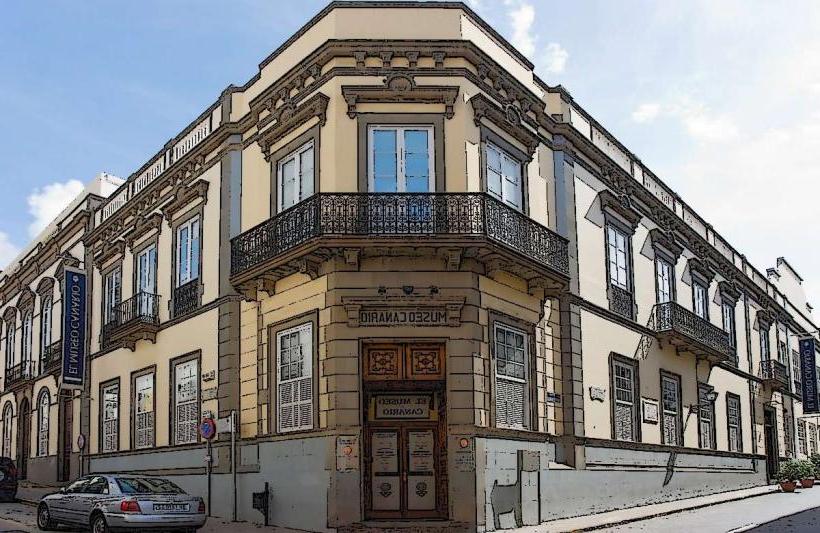
- Museo Canario (Canarian Museum): 0.3km West
- Plaza de Santa Ana: Adjacent (0km)
- Ermita de San Antonio Abad: 0.4km North-West
- Gabinete Literario: 0.5km North-East