Landmark: Ceres Valley
City: Cape Winelands
Country: South Africa
Continent: Africa
Ceres Valley, Cape Winelands, South Africa, Africa
Ceres Valley is a geographical depression located in the Western Cape province of South Africa, within the broader Cape Winelands region.
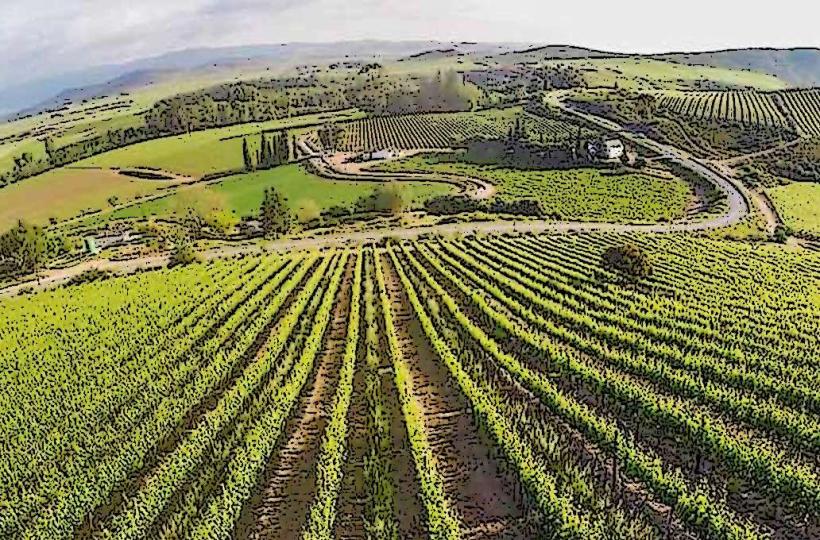
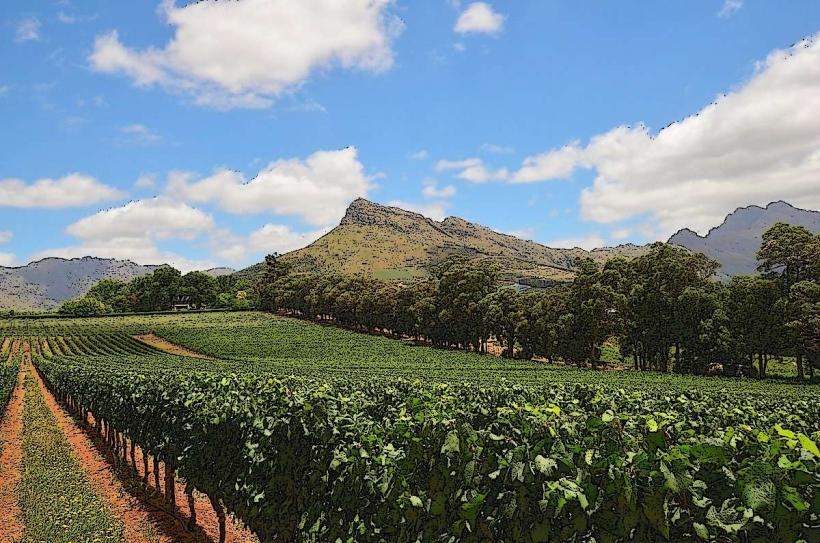
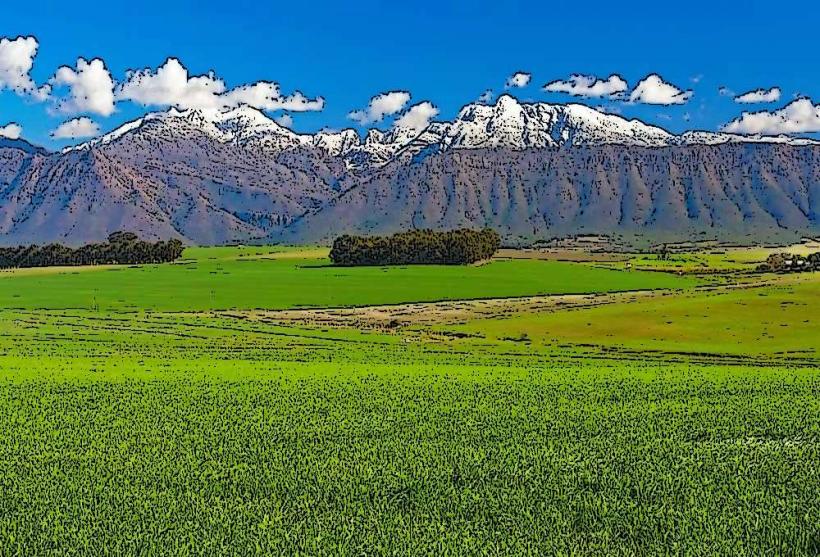
This valley is characterized by its agricultural output, primarily fruit orchards and vineyards, surrounded by mountain ranges.
Visual Characteristics
The valley floor is predominantly flat, covered by cultivated fields and orchards. Dominant colors shift seasonally, from the green of summer crops to the autumnal hues of vineyards. The surrounding mountains, part of the Skurweberg and Witzenberg ranges, are composed of sandstone and shale, exhibiting rugged, often bare slopes with sparse fynbos vegetation. Elevation varies, with the valley floor at approximately 450 meters above sea level.
Location & Access Logistics
Ceres Valley is situated approximately 140 kilometers northeast of Cape Town. Access is primarily via the R43 provincial road, which connects to the N1 highway. From Cape Town, take the N1 North towards Paarl, then follow signs for the R43 towards Ceres. The journey typically takes 1.5 to 2 hours. Parking is available at various farms and town centers within the valley. Public transport options are limited; intercity bus services operate to the town of Ceres, with local transport within the valley being largely private vehicle dependent.
Historical & Ecological Origin
The valley's geological formation is a result of tectonic activity and erosion over millions of years, creating a basin surrounded by uplifted mountain ranges. Ecologically, it is part of the Cape Floristic Region, a UNESCO World Heritage Site, characterized by diverse fynbos biome vegetation in the surrounding mountains. Human settlement dates back to the 18th century, with the town of Ceres established in 1846, named after the Roman goddess of agriculture due to the valley's fertile land.
Key Highlights & Activities
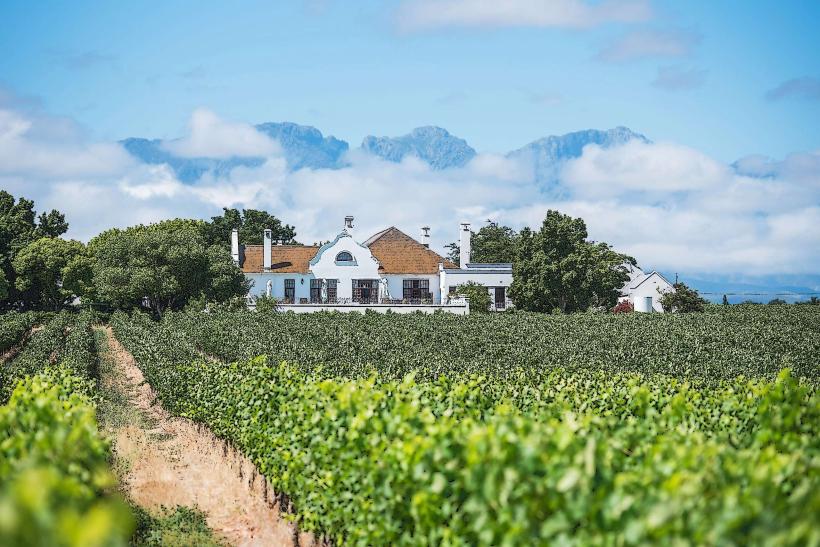
Activities include fruit picking during harvest seasons (typically December to March for stone fruit, February to April for apples and pears). Wine tasting is available at several estates. Hiking trails exist in the surrounding mountains, offering views of the valley. The Ceres Golf Club provides recreational golfing opportunities. Scenic drives through the orchards are popular, especially during blossom season (August/September) and autumn color changes.
Infrastructure & Amenities
The town of Ceres offers a range of amenities including supermarkets, fuel stations, and medical facilities. Restrooms are available at public areas and commercial establishments. Shade is provided by trees in orchards and at picnic spots. Cell phone signal (4G/5G) is generally reliable in the town and along main roads, but can be intermittent in more remote mountain areas. Food vendors and restaurants are concentrated in the town of Ceres and at larger wine estates.
Best Time to Visit
For fruit picking, the period from December to April is optimal. For autumn colors in vineyards, late March to April is recommended. The blossom season in August and September offers visual appeal. Weather is generally mild, with hot summers (December-February) and cool, wet winters (June-August). Photography is best in the early morning or late afternoon for softer light, particularly during sunrise and sunset over the valley floor.
Facts & Legends
Ceres Valley is known as the "Fruit Bowl of the Cape." A notable historical event was the devastating earthquake of 1969, which significantly impacted the town and surrounding areas, leading to extensive rebuilding efforts. A local tip for visitors is to check local farm stall opening times, as many operate on specific seasonal schedules.
Nearby Landmarks
- Matroosberg Nature Reserve (15km Northeast)
- Wolseley (20km Southwest)
- Tulbagh (35km West)
- Montagu (60km Southeast)
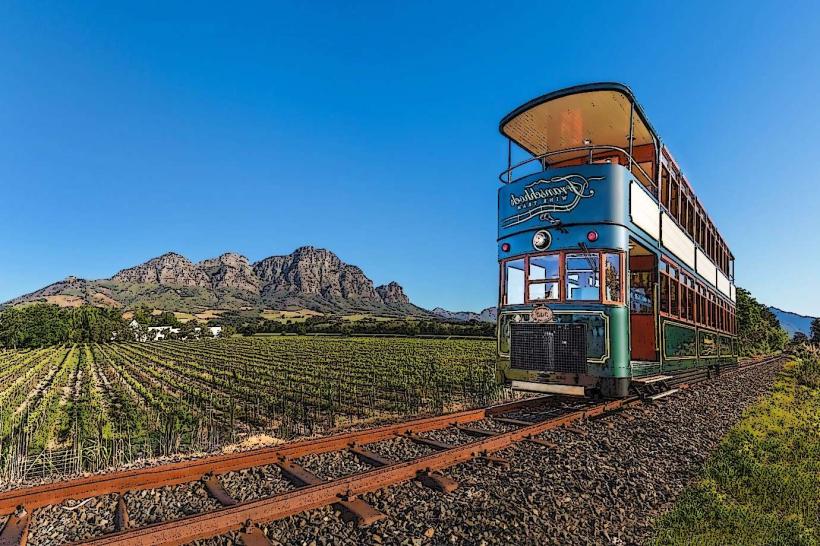
- Franschhoek Wine Tram (70km Southwest)