Landmark: Tulbagh Wine Route
City: Cape Winelands
Country: South Africa
Continent: Africa
Tulbagh Wine Route, Cape Winelands, South Africa, Africa
The Tulbagh Wine Route is a collection of wine estates situated in the Tulbagh Valley, within the Western Cape province of South Africa.
This route is recognized for its diverse range of wines and its historical significance.
Visual Characteristics
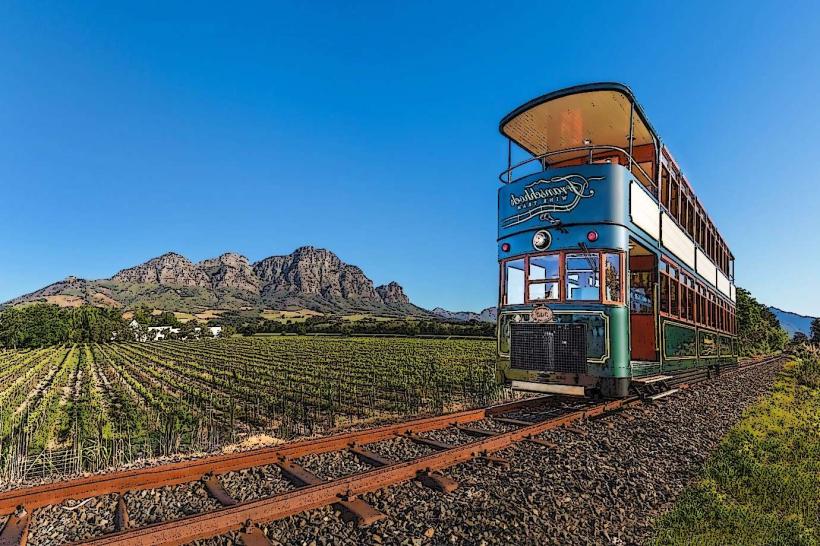
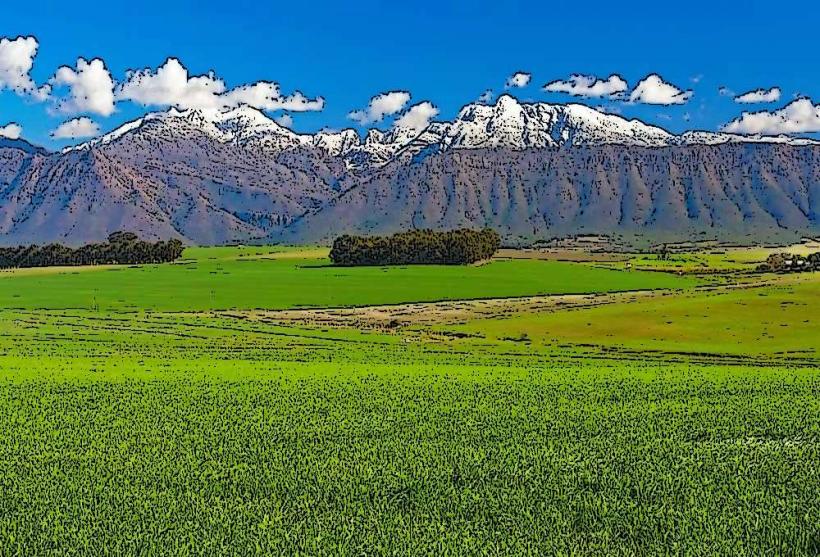
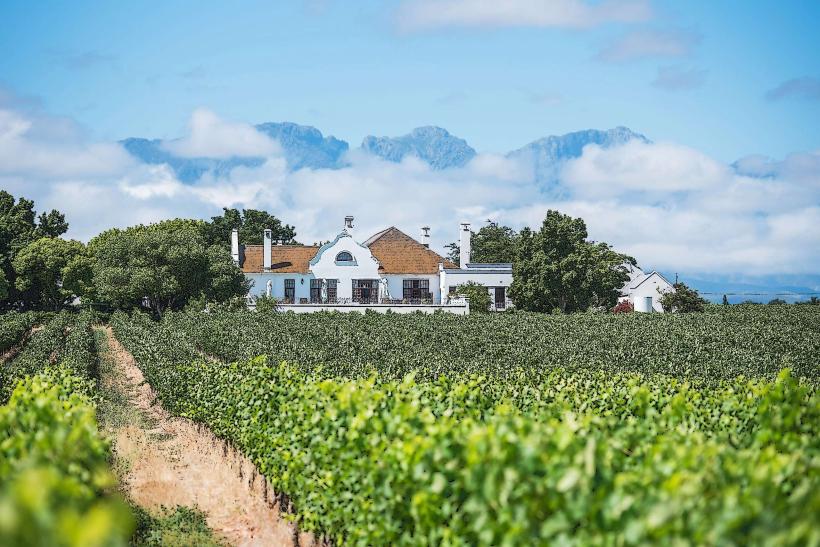
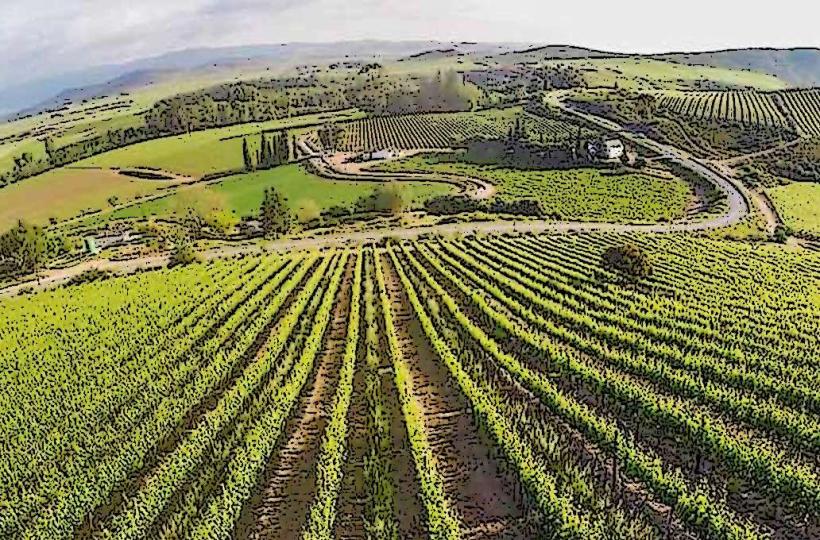
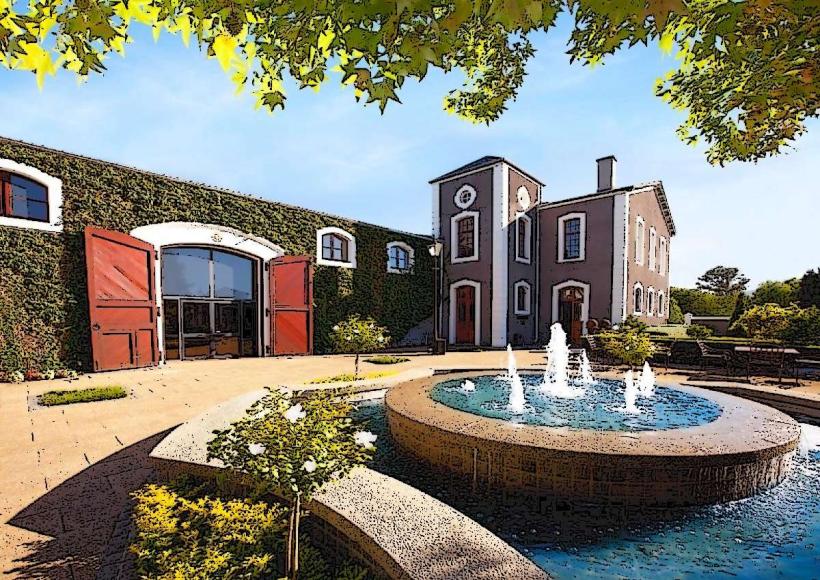
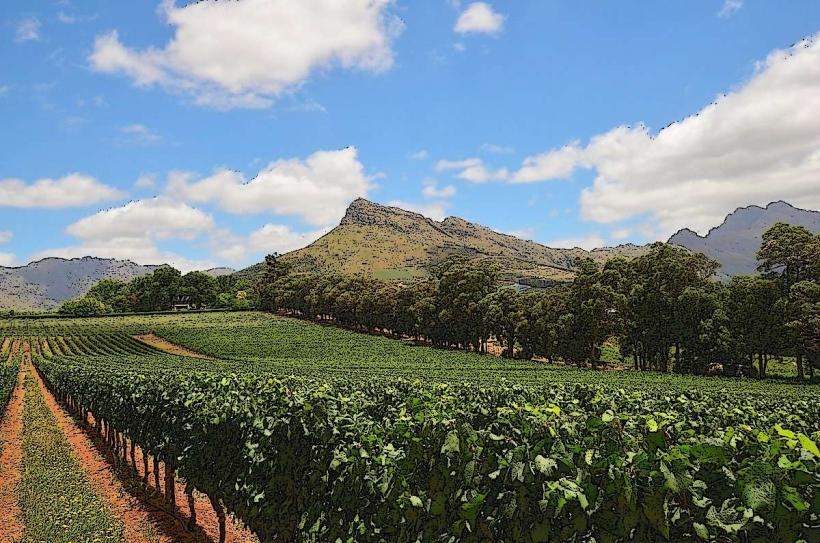
The valley is characterized by fertile plains bordered by the Winterhoek, Witzenberg, and Obiqua mountain ranges. Vineyards cover much of the valley floor, interspersed with orchards and olive groves. The estates themselves often feature Cape Dutch architecture, with whitewashed walls and thatched roofs, set against the backdrop of the surrounding mountains.
Location & Access Logistics
The Tulbagh Wine Route is located approximately 120 kilometers northeast of Cape Town. Access is primarily via the R44 highway, which connects to the N1. From Cape Town, take the N1 North towards Paarl, then follow signs for the R44 towards Wellington and subsequently Tulbagh. The estates are spread along the R46 and surrounding local roads. Parking is available at each individual wine estate, typically in designated visitor lots. Public transport options are limited; the nearest major train station is in Wellington, requiring onward travel by taxi or private vehicle.
Historical & Ecological Origin
The Tulbagh Valley has a history of agriculture dating back to the 17th century, with viticulture becoming a significant industry in the 19th century. The valley's fertile soil and Mediterranean climate are conducive to grape cultivation. The geological formation of the valley is a result of tectonic activity and erosion over millions of years, creating a sheltered basin ideal for agriculture.
Key Highlights & Activities
Wine tasting and cellar tours are the primary activities. Visitors can sample varietals such as Chenin Blanc, Shiraz, and Pinotage. Some estates offer guided walks through vineyards and olive groves. Picnics are permitted at several estates, often requiring advance booking. The route is also suitable for cycling between estates, particularly during cooler months.
Infrastructure & Amenities
Most wine estates on the route provide restrooms for visitors. Shade is available at tasting areas and picnic spots. Cell phone signal (4G/5G) is generally available across the valley, though it may be intermittent within some cellar buildings. Several estates have on-site restaurants or offer platters; food vendors are not common outside of the estate facilities.
Best Time to Visit
The best months for visiting are from September to November (spring) and March to May (autumn), offering pleasant temperatures for outdoor activities and wine tasting. The harvest season typically runs from February to April. For photography, early morning and late afternoon light provides optimal illumination of the valley and mountains.
Facts & Legends
Tulbagh is known as the "Valley of Abundance." A notable historical fact is that the town of Tulbagh was rebuilt after a severe earthquake in 1969, which caused significant damage to its historic buildings. Many structures were meticulously restored, preserving their original architectural character.
Nearby Landmarks
- Oude Kerk Museum (0.8km West)
- Montagu Pass (25km South)
- Wellington Wine District (35km Southwest)
- Ceres Golf Club (40km East)
- Bainskloof Pass (45km West)