Landmark: Christ the King Church
City: Paola
Country: Malta
Continent: Europe
Christ the King Church, Paola, Malta, Europe
Visual Characteristics
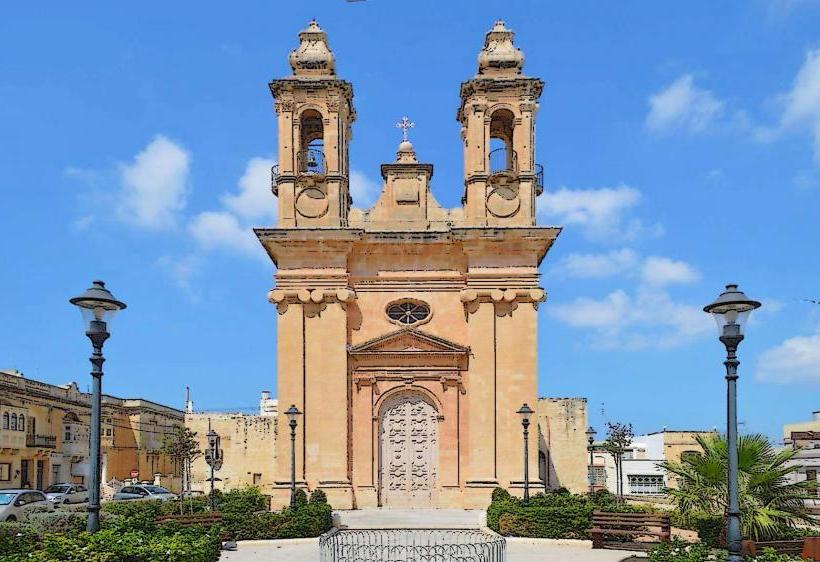
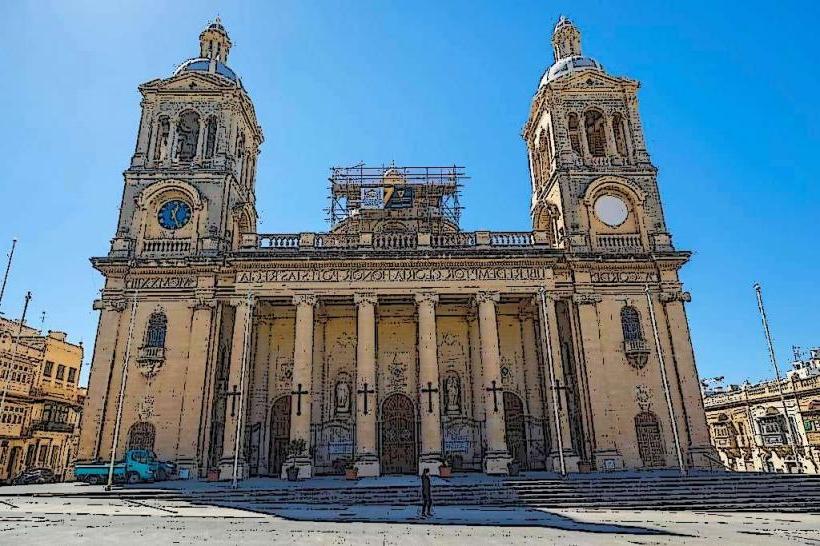
The church exhibits a distinctive Modernist architectural style, characterized by its clean lines and imposing scale. Its primary construction materials include reinforced concrete and local limestone, giving it a light, uniform exterior color. A large, octagonal dome dominates the structure, complemented by a tall, slender bell tower. The main facade features a grand entrance with minimal ornamentation, emphasizing its geometric forms.
Location & Access Logistics
The church is located directly on Paola Square (Pjazza Kristu Re). It is approximately 5 kilometers south of Valletta. Public transport is readily available, with numerous bus routes, including 81, 82, 83, 84, 88, and X3, stopping at the square. Limited street parking is available in the surrounding areas, often subject to time restrictions or metering.
Historical & Ecological Origin
Construction of the Christ the King Church commenced in 1923 and was completed in 1959. The design was primarily by architect Ġużè D'Amato. It was built to replace an older, smaller parish church and accommodate the growing population of Paola, serving as the town's main Roman Catholic parish church.
Key Highlights & Activities
Visitors can attend daily mass services, which are held multiple times throughout the day. The interior features a large titular statue of Christ the King and various religious artworks. Observing the architectural details of the dome and the overall Modernist design is a primary activity.
Infrastructure & Amenities
Public restrooms are available in the immediate vicinity of Paola Square. The church interior provides substantial shade. Cell phone signal, including 4G and 5G, is consistently strong within the area. Numerous cafes, restaurants, and food vendors are located directly around Paola Square.
Best Time to Visit
Morning hours, specifically between 9:00 and 11:00, offer optimal natural light for interior photography. Late afternoon provides softer light for capturing the exterior facade. The church is generally accessible during daylight hours, outside of scheduled mass times. The shoulder seasons of April-May and September-October offer the most comfortable weather conditions in Malta.
Facts & Legends
The construction of the church spanned over three decades, significantly interrupted by World War II. This extended period resulted in a subtle evolution of its architectural details from the initial plans to its final completion. The dome is recognized as one of the largest in Malta.
Nearby Landmarks
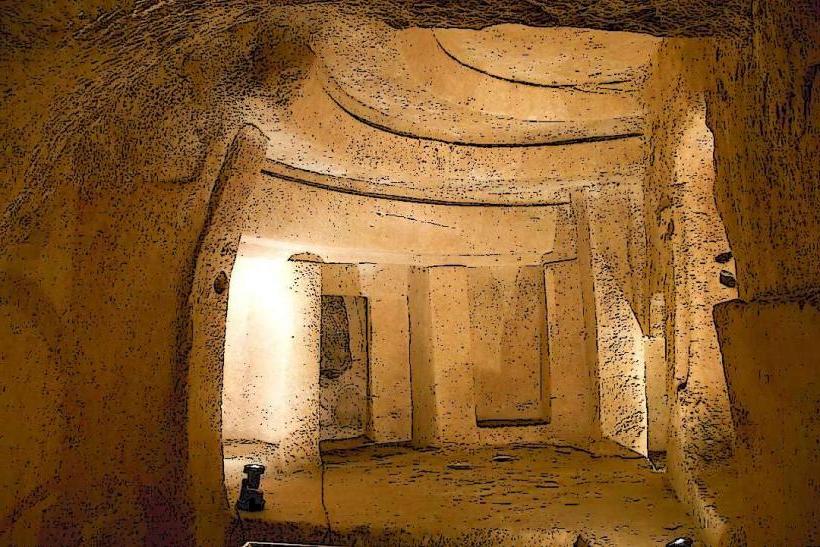
- Ħal Saflieni Hypogeum: 0.3km East
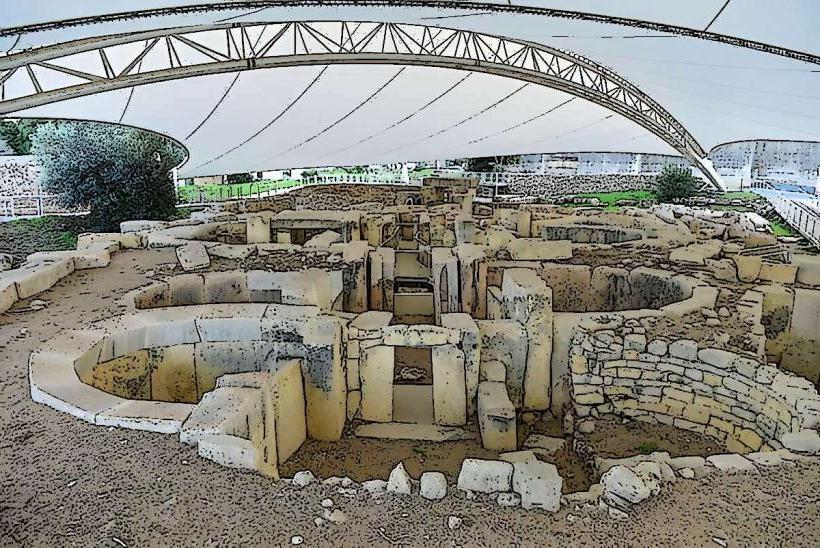
- Tarxien Temples: 0.7km South-East
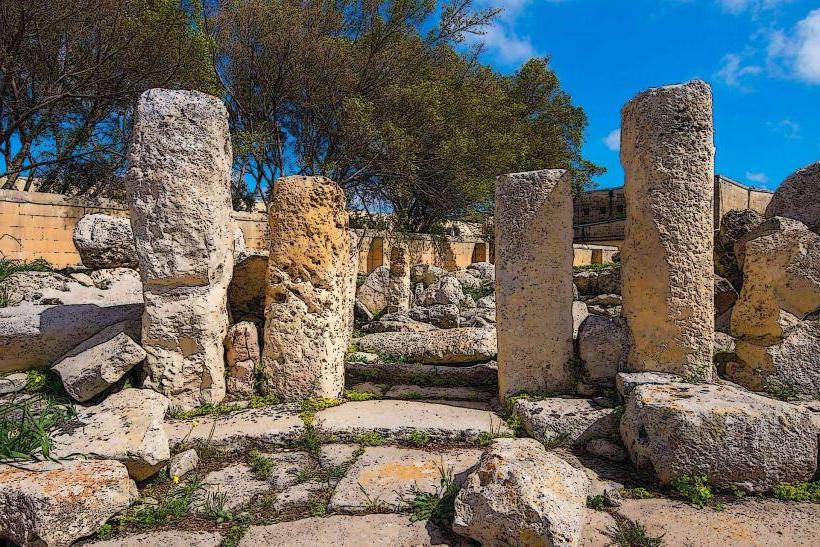
- Kordin Temples: 1.5km South
- Santa Luċija Chapel: 1.2km North-West