Information
Landmark: Chullpares de OruroCity: Oruro
Country: Bolivia
Continent: South America
Chullpares de Oruro, Oruro, Bolivia, South America
The Chullpares de Oruro are pre-Inca burial towers located on the outskirts of Oruro, Bolivia.
These structures served as tombs for the Urus people.
Visual Characteristics
The Chullpares are constructed from adobe bricks and stone. They are typically cylindrical or rectangular in shape, varying in height from 2 to 10 meters. The exterior surfaces are weathered, showing the natural color of the earth and stone used in their construction. Some exhibit remnants of plaster or paint, though these are largely faded.
Location & Access Logistics
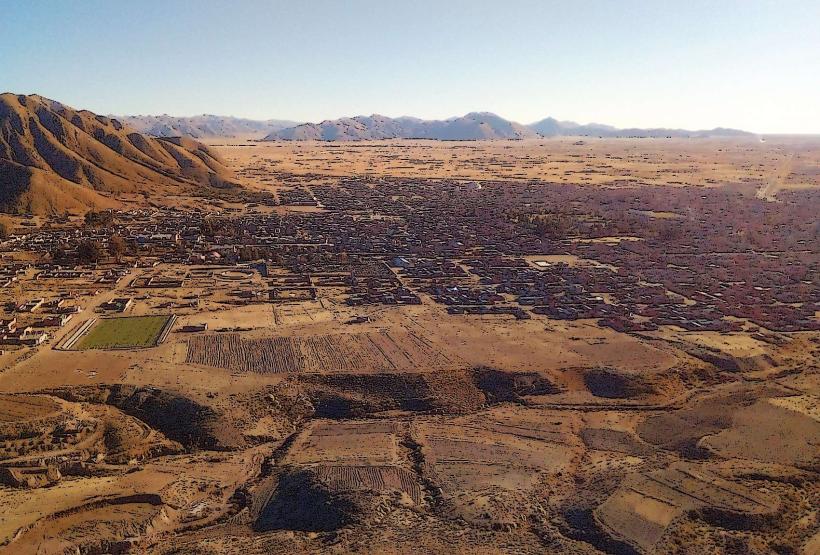
The Chullpares de Oruro are situated approximately 5 kilometers west of the Oruro city center. Access is via the unpaved road leading towards the mining district, specifically near the Cerro San Cristobal. Vehicle access is possible for most passenger cars, though a 4x4 is recommended during the wet season. There is no designated parking; visitors typically park on the side of the access road. Public transport does not directly service the site; a taxi or private vehicle is required.
Historical & Ecological Origin
These chullpares date back to the pre-Inca period, estimated between 1000 and 1400 AD. They were built by the Urus indigenous group as funerary monuments. The structures are made from locally sourced adobe and stone, reflecting traditional building techniques of the region.
Key Highlights & Activities
Observation of the architectural construction of the chullpares. Examination of the surrounding arid landscape. Photography of the ancient structures and their environment.
Infrastructure & Amenities
There are no facilities at the Chullpares de Oruro. Restrooms, shade, food vendors, and cell phone signal (4G/5G) are not available at the site itself. Visitors should come prepared with water and any necessary supplies.
Best Time to Visit
The best time of day for photography is during the morning or late afternoon when the sun angle provides optimal lighting on the structures. The dry season, from May to October, offers the most stable weather conditions with minimal rainfall. There are no tidal considerations for this inland site.
Facts & Legends
Local folklore suggests that the chullpares were built by giants or ancient spirits. Archaeological findings indicate they contained human remains, pottery, and personal belongings, intended to accompany the deceased in the afterlife.
Nearby Landmarks
- Cerro San Cristobal (1km Northwest)
- Mina San Jose (2.5km West)
- Museo de Arte Sacro (4km East)
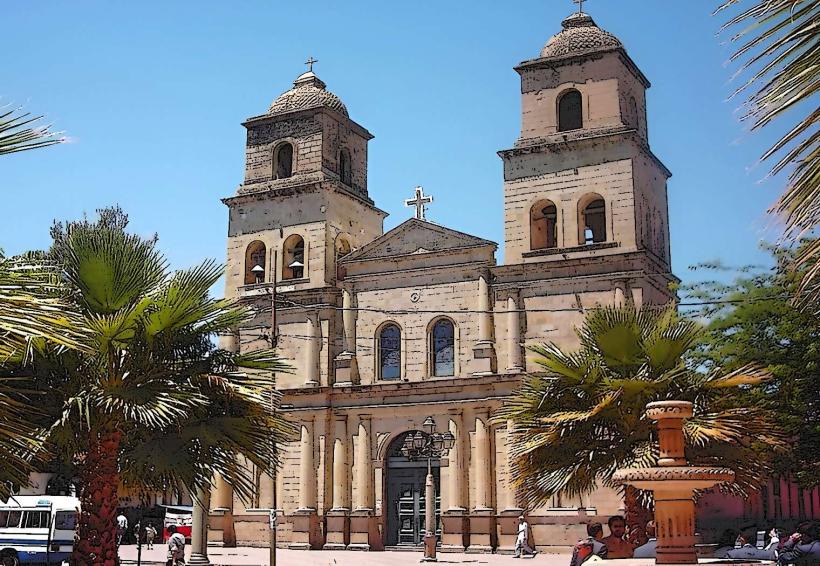
- Catedral de la Santísima Trinidad (4.5km East)
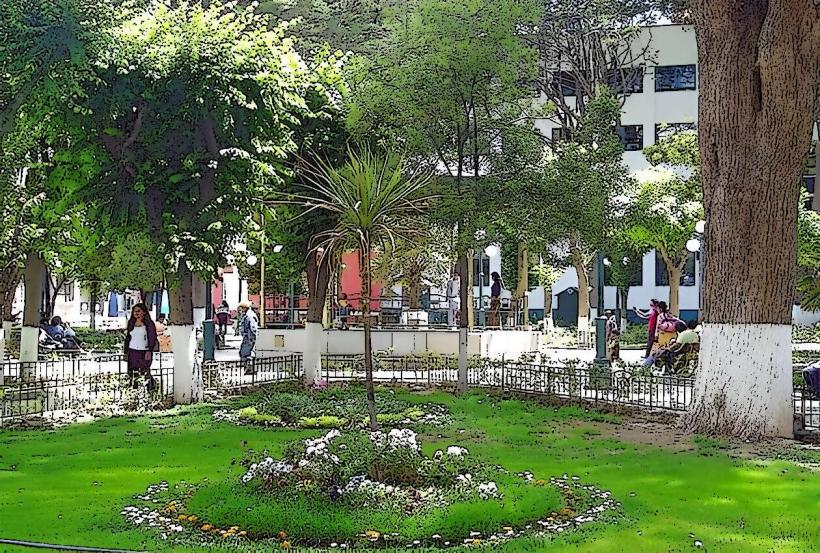
- Plaza 10 de Febrero (4.8km East)