Landmark: Museo de la Minería
City: Oruro
Country: Bolivia
Continent: South America
Museo de la Minería, Oruro, Bolivia, South America
The Museo de la Minería is a museum dedicated to the mining history of Bolivia, located in the city of Oruro.
It houses a collection of artifacts and exhibits detailing the region's significant mining past.
Visual Characteristics
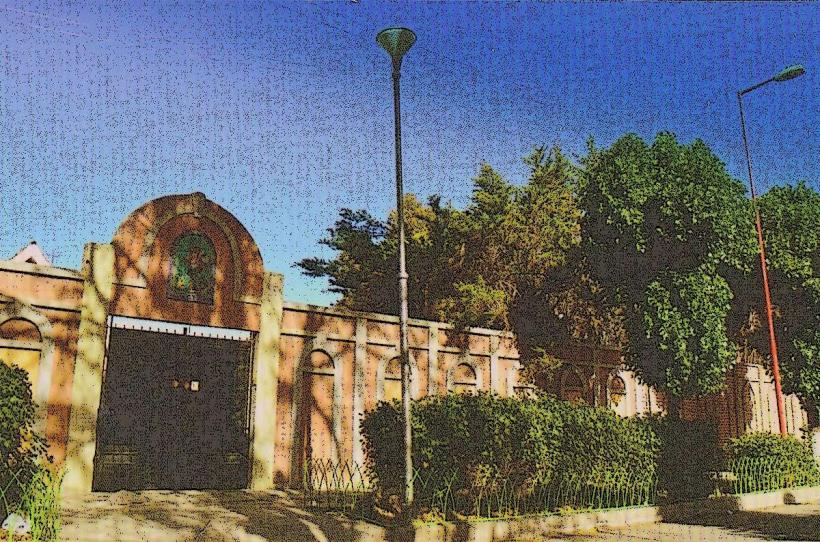
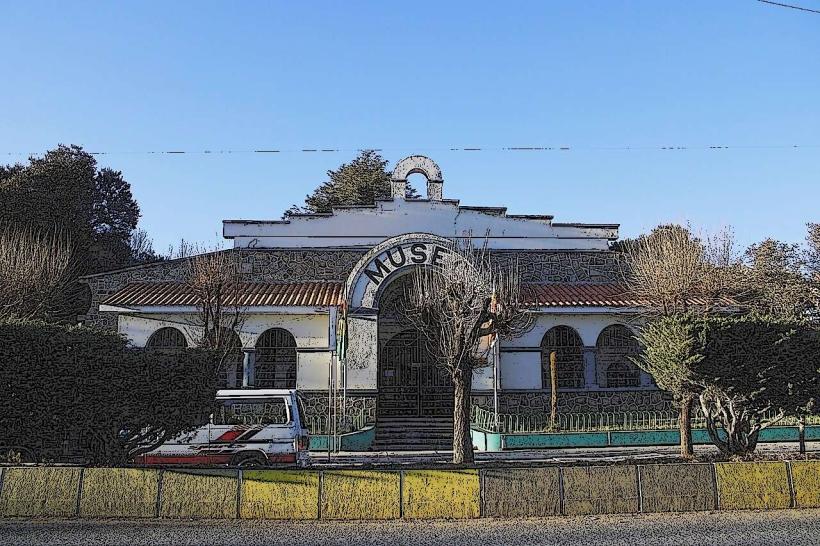
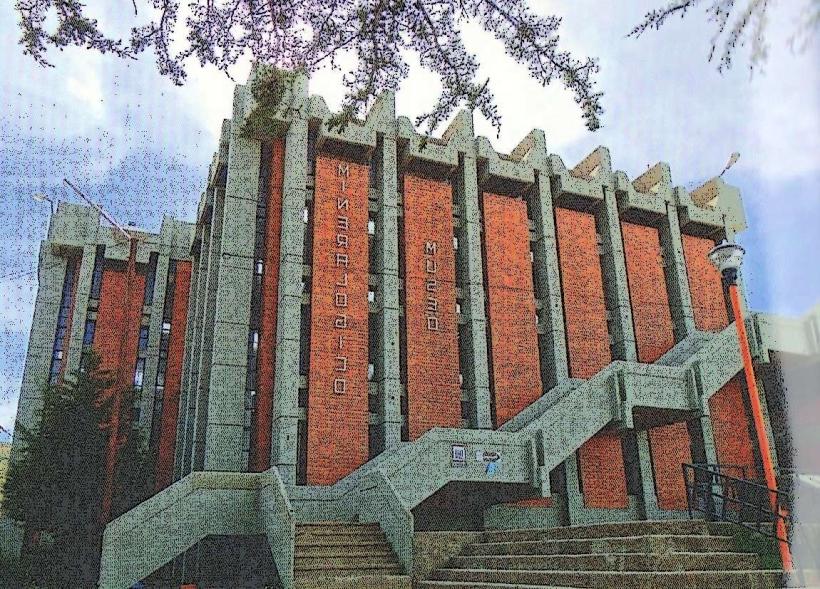
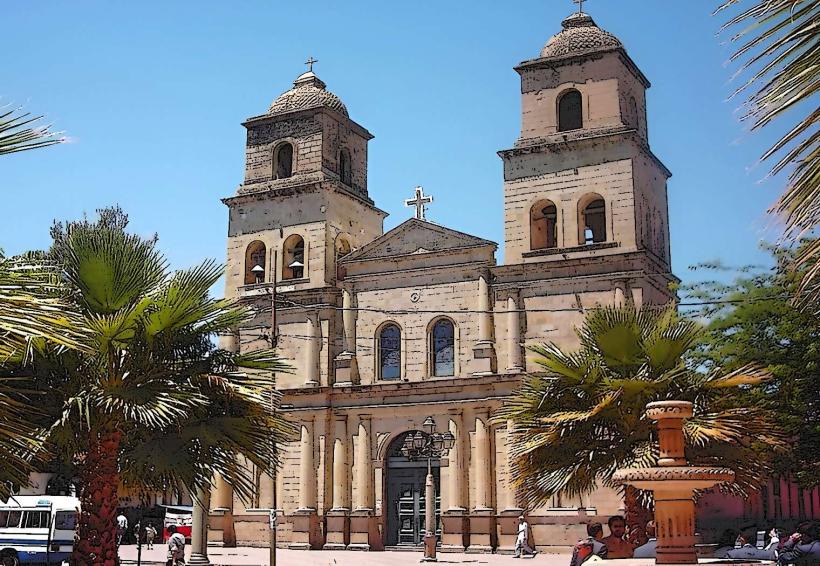
The museum is housed in a two-story building constructed primarily of red brick. The facade features arched windows and a prominent entranceway. The interior exhibits are displayed within various rooms, with some sections featuring exposed rock samples and mining equipment.
Location & Access Logistics
The Museo de la Minería is situated at Calle Junín 345, Oruro, Bolivia. It is approximately 1 kilometer (0.6 miles) south of the central Plaza 10 de Febrero. Limited street parking is available in the vicinity. The museum is accessible by local bus routes that service the city center; specific routes include Linea 1 and Linea 5, which stop within a 2-block radius.
Historical & Ecological Origin
The building itself was formerly part of the administrative offices for the Oruro mining cooperative. The museum was established to preserve and showcase the history of mining in the Oruro region, which has been a significant source of tin, silver, and copper for centuries. The geological context of Oruro is characterized by the Cordillera Occidental mountain range, rich in mineral deposits.
Key Highlights & Activities
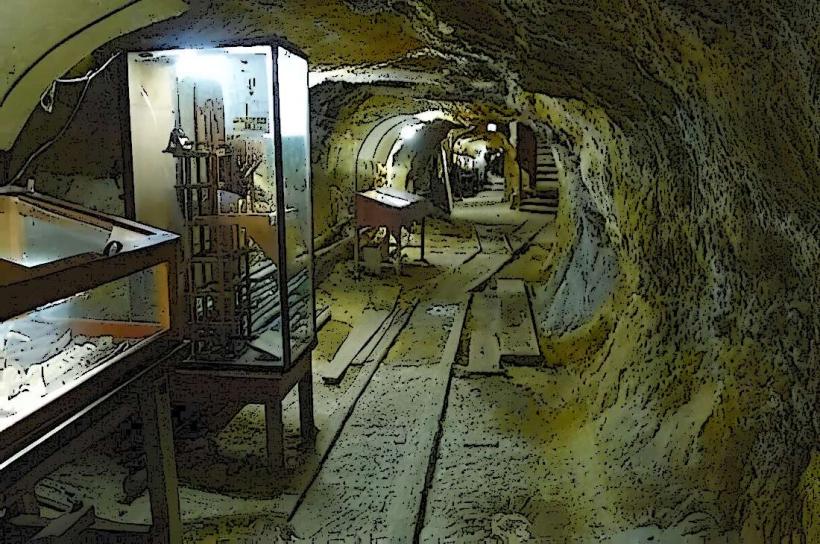
Visitors can examine displays of mineral specimens, including silver, tin, and copper ores. Exhibits detail the evolution of mining techniques from pre-Columbian times to modern methods. Scale models of underground mine shafts are present. Informational panels describe the lives of miners and the social impact of the industry.
Infrastructure & Amenities
Restrooms are available on the ground floor. Limited seating is provided within exhibit areas. Cell phone signal (GSM/3G) is generally consistent within the museum. No on-site food vendors are present, but several small eateries are located within a 3-block radius.
Best Time to Visit
The museum is open Tuesday through Sunday. The best time of day for viewing exhibits is during daylight hours to ensure adequate lighting. The dry season, from May to October, offers more stable weather conditions for travel to Oruro.
Facts & Legends
A notable artifact is a large, naturally formed silver crystal, one of the largest of its kind on display. Local folklore often speaks of the "Ch'ulla Ch'amqo," a mischievous spirit said to inhabit the mines, protecting the ore but also playing tricks on miners.
Nearby Landmarks
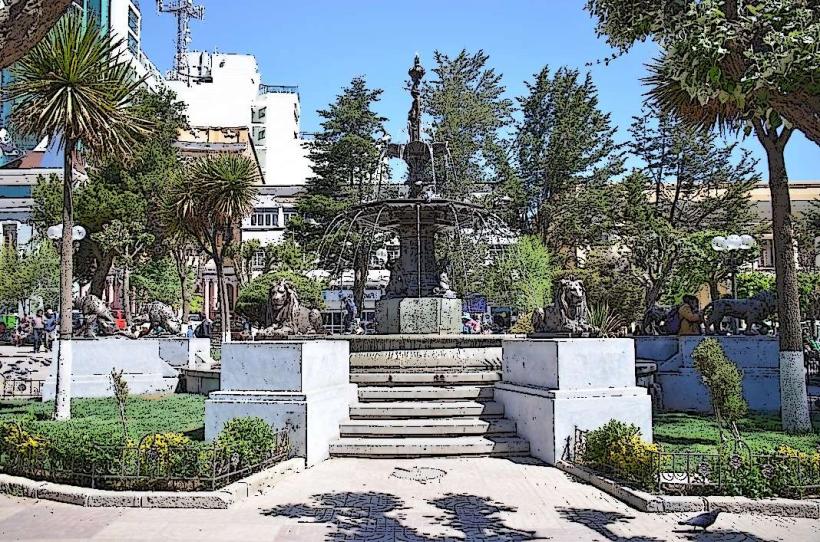
- Plaza 10 de Febrero (0.8km North)
- Catedral de Oruro (1km North)
- Museo de Arte Sacro (1.1km North)
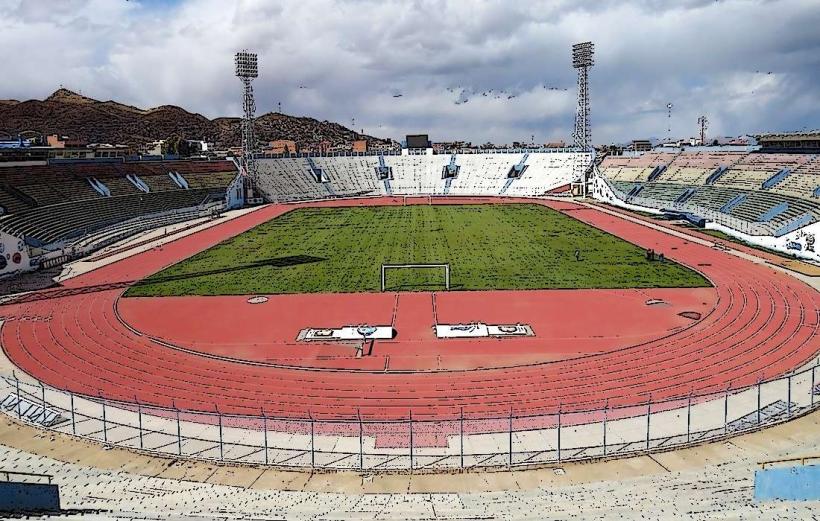
- Estadio Jesús Bermúdez (1.5km West)