Information
Landmark: Cueva de la VirgenCity: Loja
Country: Ecuador
Continent: South America
Cueva de la Virgen, Loja, Ecuador, South America
Cueva de la Virgen is a natural cave formation located in the city of Loja, Ecuador.
This geological site is situated within the urban limits of Loja, accessible via local roads.
Visual Characteristics
The cave entrance is a fissure in a rock face composed of sedimentary rock, primarily sandstone. The interior is characterized by damp, rough-hewn walls. Stalactites and stalagmites are present but not extensively developed. The immediate surrounding vegetation consists of scrub and small trees adapted to the arid climate.
Location & Access Logistics
Cueva de la Virgen is located approximately 2 kilometers southwest of Loja's central plaza. Access is via Calle Eloy Alfaro, which transitions into a dirt track for the final 500 meters. Limited on-street parking is available near the cave entrance. Public transport options include local bus line #3, which stops within 1 kilometer of the site; passengers will need to walk the remainder.
Historical & Ecological Origin
The cave is a result of natural erosion processes acting on the sandstone bedrock over an extended geological period. Its ecological classification is a dry cave ecosystem, supporting limited invertebrate life. Historically, the cave has been a site of local reverence, with its name translating to "Cave of the Virgin."
Key Highlights & Activities
Exploration of the cave's main chamber is possible. Visitors can observe the rock formations. The area surrounding the cave offers opportunities for short walks.
Infrastructure & Amenities
There are no dedicated facilities at Cueva de la Virgen. Restrooms are not available. Natural shade is minimal. Cell phone signal (4G/5G) is intermittent within the cave but generally available outside. No food vendors are present at the site; vendors are located in the city center.
Best Time to Visit
The best time of day for visiting is between 10:00 and 15:00, when sunlight penetrates the entrance area. The dry season, from June to November, offers the most favorable weather conditions with less chance of rain.
Facts & Legends
Local tradition holds that the cave was once a refuge for a religious icon, leading to its name. A specific historical detail is the presence of small, carved niches within the cave walls, suggesting past use for devotional purposes.
Nearby Landmarks
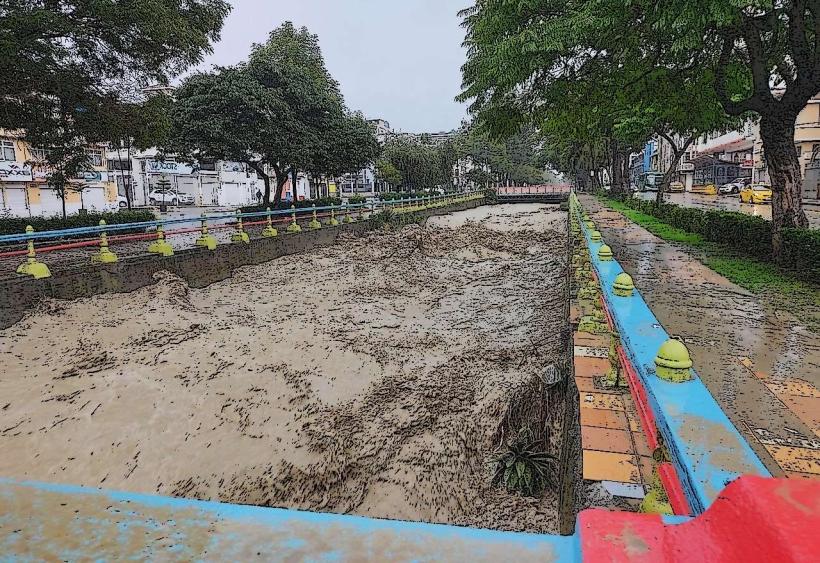
- Parque Lineal La Tebaida (1.5km Northeast)
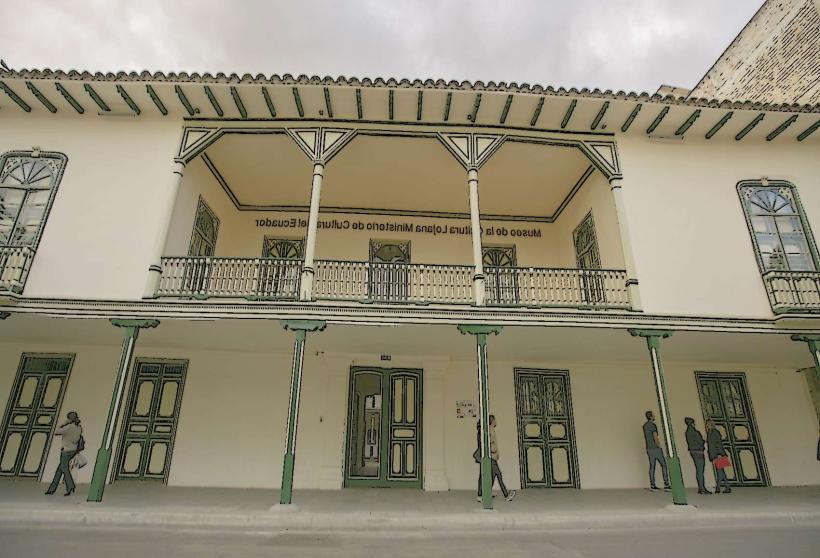
- Museo de la Cultura Lojana (2.2km North)
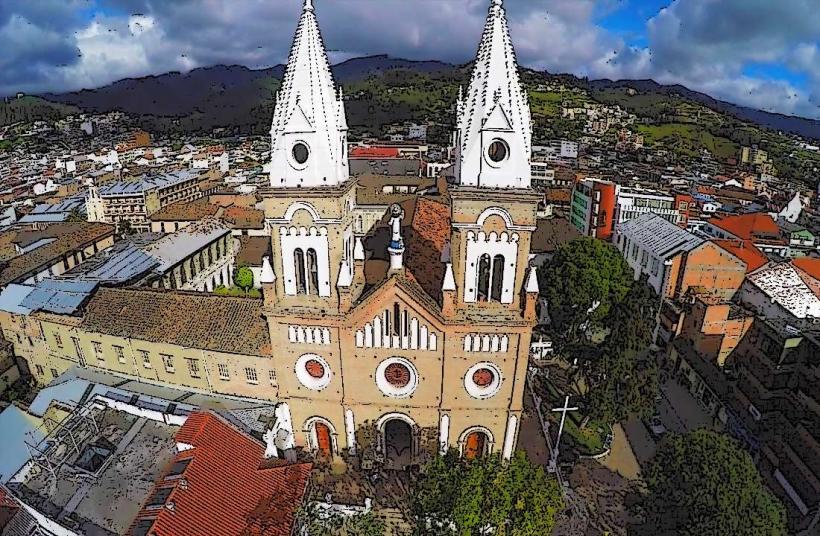
- Catedral de Loja (2.5km North)
- Cerro de Podocarpus (4.0km Southwest)