Landmark: Cueva de los Aviones
City: Guantanamo
Country: Cuba
Continent: North America
Cueva de los Aviones, Guantanamo, Cuba, North America
Cueva de los Aviones is a cave system located on the northern coast of Guantanamo Province, Cuba.
This geological formation is characterized by its karst topography and the presence of ancient cave paintings.
Visual Characteristics
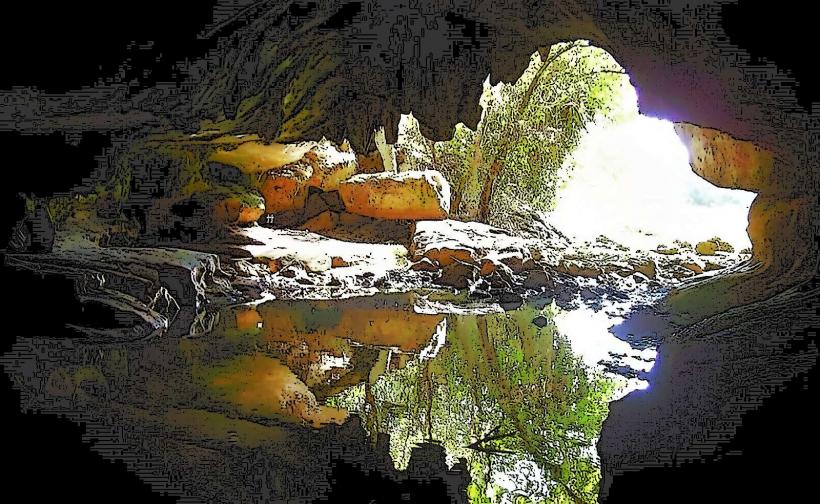
The cave entrance is a fissure in a limestone cliff face, approximately 10 meters wide and 5 meters high. The interior consists of limestone rock formations, including stalactites and stalagmites. The walls of the main chamber are adorned with red and black pictographs depicting human figures, animals, and geometric shapes. The cave floor is composed of compacted earth and loose rock debris.
Location & Access Logistics
Cueva de los Aviones is situated approximately 25 kilometers north of the city of Guantanamo. Access is via the Carretera a Baracoa (CU-7) for 20 kilometers, then turning onto an unpaved service road for approximately 5 kilometers. The final approach requires a 1-kilometer walk from the road terminus. Parking is available at the road terminus; no designated parking is present at the cave entrance. Public transport to the vicinity is limited; local buses operate on the Carretera a Baracoa, requiring a subsequent walk or taxi from the nearest stop.
Historical & Ecological Origin
The cave is a natural karst formation, sculpted by the dissolution of limestone rock over millennia by groundwater. The pictographs are attributed to indigenous Taíno populations, dating back to the pre-Columbian era, likely between 500 and 1500 CE. Their original purpose is believed to be ceremonial or communicative.
Key Highlights & Activities
Observation of the Taíno pictographs is the primary activity. Visitors can walk through the main chamber to view the artwork. Photography of the pictographs is permitted under natural light conditions. No other activities are facilitated within the cave.
Infrastructure & Amenities
No restrooms or shade structures are available at the site. Cell phone signal is unreliable within the cave and intermittent on the access road. No food vendors are located at or near the cave entrance.
Best Time to Visit
The best time of day for viewing the pictographs is between 10:00 AM and 2:00 PM, when direct sunlight penetrates the cave entrance, illuminating the artwork. The dry season, from November to April, offers more favorable weather conditions for accessing the site. No tide considerations are relevant.
Facts & Legends
Local lore suggests the cave was a meeting point for Taíno shamans. A specific detail for visitors is to observe the faint outlines of what appear to be bird figures within the larger pictographs, which may have inspired the cave's name.
Nearby Landmarks
- El Yunque de Baracoa (15km Northeast)
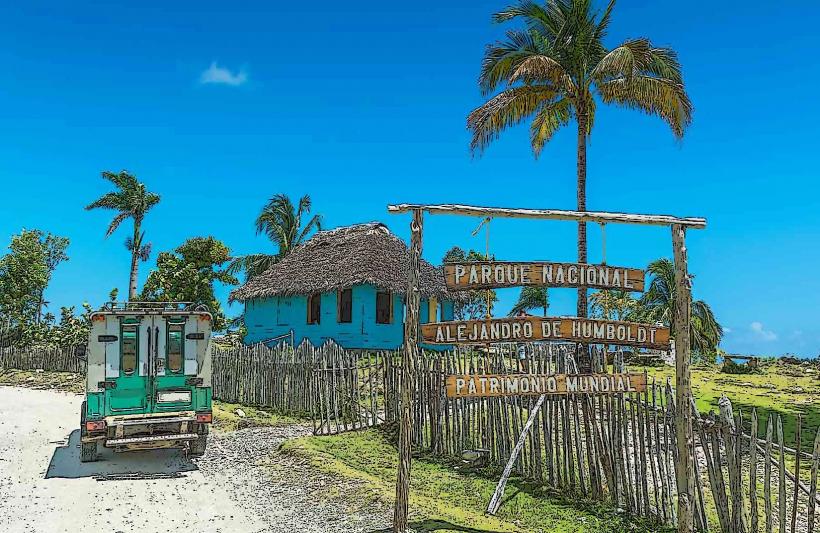
- Parque Nacional Alejandro de Humboldt (22km East)
- Castillo de la Real Fuerza de Guaso (24km Southwest)
- Playa La Herradura (28km East)