Landmark: El Djem Mosque
City: El Djem
Country: Tunisia
Continent: Africa
El Djem Mosque, El Djem, Tunisia, Africa
The El Djem Mosque is a historical religious structure located in the city of El Djem, Tunisia.
This site is a significant example of early Islamic architecture in North Africa.
Visual Characteristics
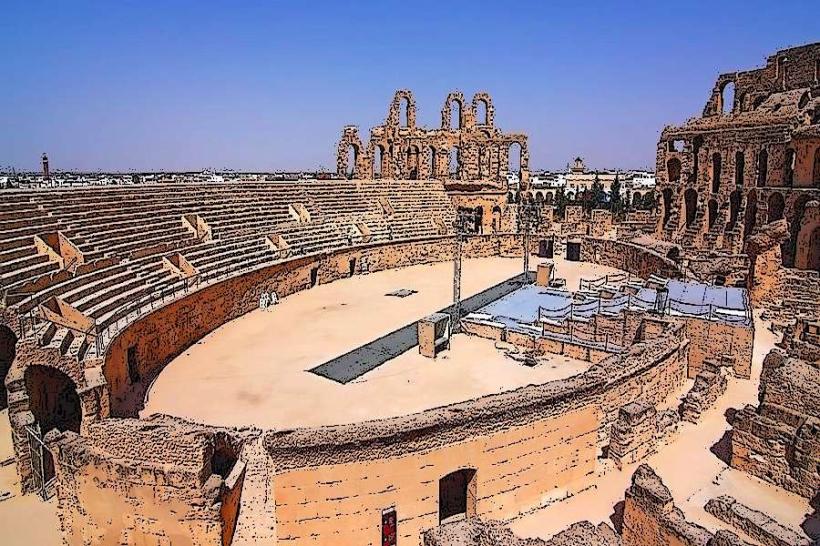
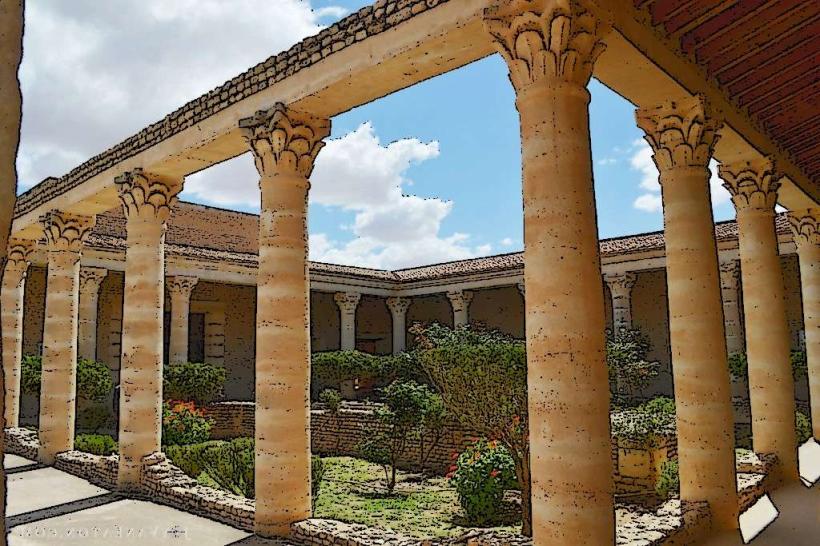
The mosque is constructed primarily from local sandstone, exhibiting a pale ochre color. It features a rectangular prayer hall with a hypostyle layout, supported by numerous stone columns. The exterior is characterized by its robust, unadorned walls and a prominent minaret. Architectural elements suggest influences from Roman and Byzantine structures present in the region.
Location & Access Logistics
The El Djem Mosque is situated in the center of El Djem. It is approximately 200 kilometers south of Tunis. Access by road is via the RN1 highway, turning off at the El Djem exit. Parking is available in designated areas adjacent to the mosque, typically on unpaved lots. Public transport options include intercity buses connecting El Djem to major Tunisian cities; the mosque is a short walk from the main bus station.
Historical & Ecological Origin
Construction of the El Djem Mosque began in the 8th century CE, with significant additions and modifications occurring in the 9th and 10th centuries. The exact architect is not recorded, but its design reflects the architectural practices of the early Aghlabid dynasty. Its original purpose was as a congregational mosque for the local population.
Key Highlights & Activities
Visitors can explore the prayer hall and observe the column arrangements. The minaret offers a vantage point for viewing the surrounding city. Photography of the architectural details is permitted. Guided tours are available, providing historical context and architectural analysis.
Infrastructure & Amenities
Restrooms are located near the entrance. Limited shade is available within the prayer hall. Cell phone signal (4G) is generally available in the vicinity. Food vendors and small cafes are present in the immediate vicinity of the mosque and the nearby Roman amphitheater.
Best Time to Visit
The best time of day for photography is in the late morning or late afternoon when the sunlight creates distinct shadows on the sandstone. The most favorable months for visiting are from March to May and September to November, avoiding the peak summer heat. No specific tide requirements apply.
Facts & Legends
A notable historical detail is the reuse of Roman architectural elements, such as column bases and capitals, in the mosque's construction, a common practice in early Islamic architecture in regions with a Roman past. Local lore sometimes connects the mosque's construction to specific religious figures, though these are not historically verified.
Nearby Landmarks
- El Djem Amphitheatre (0.2km West)
- El Djem Museum (0.3km West)
- Roman Villa of the Falconer (0.4km Southwest)
- Sbeitla Archaeological Site (70km Southwest)
- Kairouan Grand Mosque (60km Northeast)