Information
Landmark: First Landing State ParkCity: Virginia Beach
Country: USA Virginia
Continent: North America
First Landing State Park, Virginia Beach, USA Virginia, North America
First Landing State Park is a protected area located in Virginia Beach, Virginia, USA. It preserves a significant portion of the Chesapeake Bay shoreline and its associated ecosystems.
Visual Characteristics
The park features approximately 1.5 miles of Chesapeake Bay shoreline with sandy beaches. Inland, the landscape is dominated by maritime forest, characterized by dense stands of live oaks, loblolly pines, and red cedgers. The forest floor exhibits a thick undergrowth of ferns and various shrubs. Several freshwater ponds and cypress swamps are also present within the park boundaries.
Location & Access Logistics
The park is situated at 2500 Shoreline Drive, Virginia Beach, VA 23451. It is approximately 10 miles northeast of the Virginia Beach city center. Access is via Shoreline Drive, which connects to US-60 East (Virginia Beach Boulevard). Ample parking is available within the park, with designated lots for day-use visitors and campers. Public transportation options are limited; the nearest bus route (Tidewater Regional Transit) stops several miles from the park entrance, requiring a significant walk or taxi service.
Historical & Ecological Origin
This site is recognized as the location where English colonists first landed in 1607 before proceeding to Jamestown. The park's ecological significance lies in its preservation of one of the last large, undisturbed coastal habitats in the region. The maritime forest is a result of natural succession over centuries, influenced by coastal winds and salt spray.
Key Highlights & Activities
Activities include hiking on 19 miles of marked trails, including the popular Bald Cypress-Flowering Dogwood Trail and the Cape Henry Trail. Kayaking and paddleboarding are permitted on the Chesapeake Bay and the park's internal waterways. Fishing is allowed from designated areas along the bay. Birdwatching is a common activity due to the diverse avian population. Swimming is permitted in the Chesapeake Bay.
Infrastructure & Amenities
Restrooms are available at the park office, visitor center, and various trailheads. Shaded areas are provided by the forest canopy and at designated picnic sites. Cell phone signal (4G/5G) is generally available throughout the park, though it may be intermittent in denser forest areas. Food vendors are not present within the park; visitors typically bring their own provisions or utilize facilities in nearby Virginia Beach.
Best Time to Visit
For photography, early morning and late afternoon offer optimal lighting conditions, particularly for the forest and shoreline. The best months for weather are typically April through October, with mild temperatures and lower humidity. High tide is generally preferred for beach access and water activities on the bay. Spring (April-May) is ideal for observing blooming flora, while fall (September-October) provides migratory bird viewing opportunities.
Facts & Legends
A notable historical artifact discovered within the park is a 17th-century Spanish doubloon, suggesting early maritime activity. The park's cypress swamps are home to a unique ecosystem adapted to brackish water conditions.
Nearby Landmarks
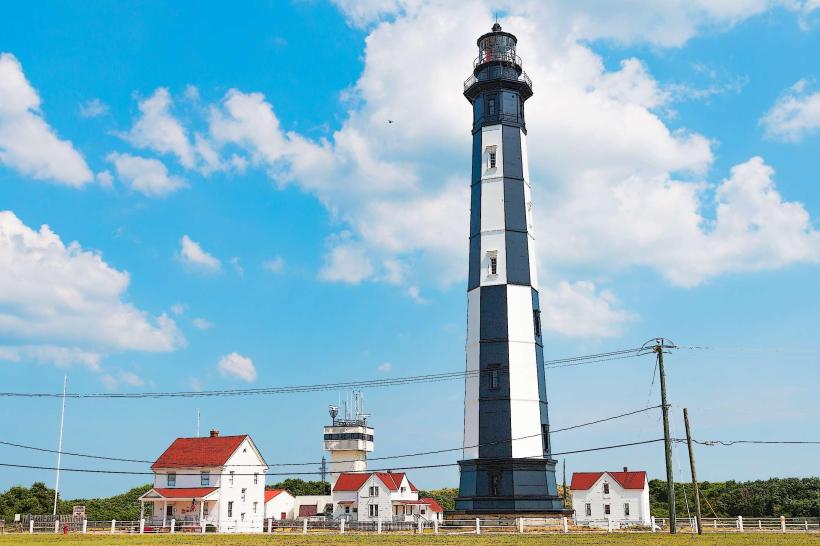
- Cape Henry Lighthouse (1.5km Northeast)
- Fort Story (2.0km Northeast)
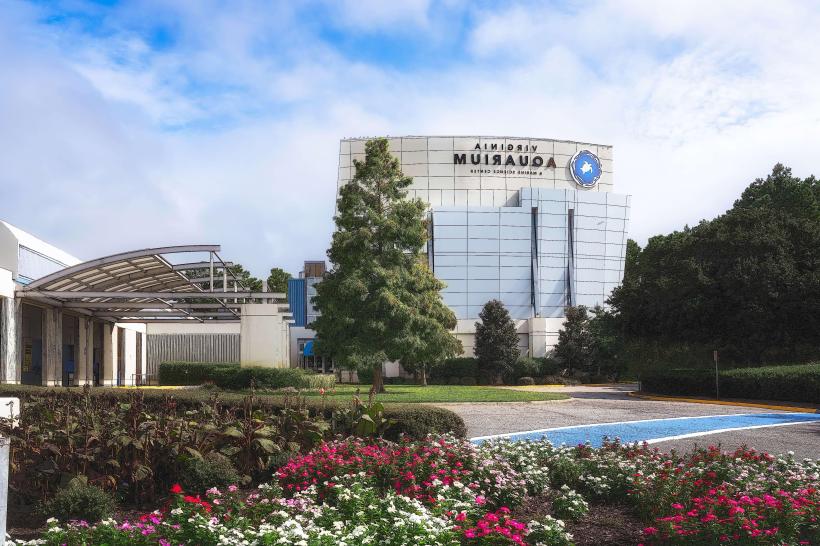
- Virginia Aquarium & Marine Science Center (6.0km Southwest)
- Ocean Breeze Waterpark (7.0km Southwest)
- Naval Air Station Oceana (8.0km Southwest)