Landmark: Flaxville Fossil Site
City: Glendive
Country: USA Montana
Continent: North America
Flaxville Fossil Site, Glendive, USA Montana, North America
The Flaxville Fossil Site is a paleontological location situated near Glendive, Montana, USA. It is recognized for its significant fossil deposits.
Visual Characteristics
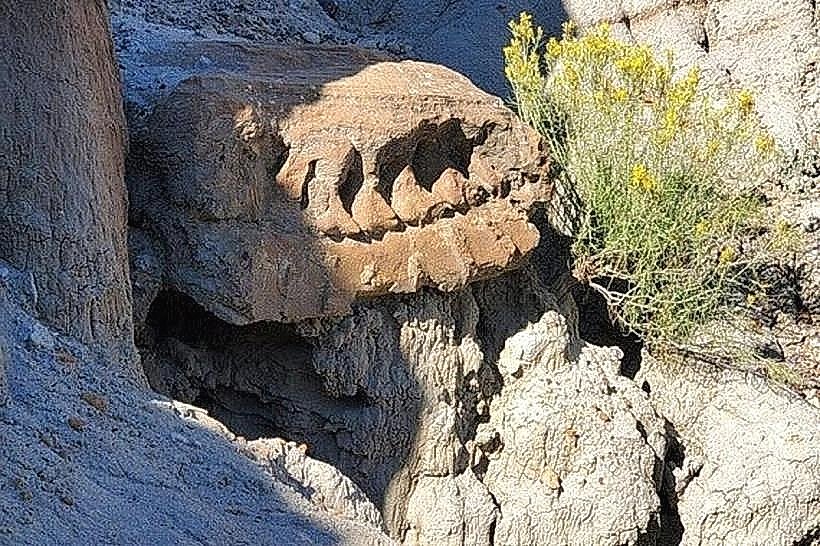
The site consists of exposed sedimentary rock layers, primarily sandstone and mudstone, exhibiting varying shades of tan, brown, and red. The terrain is characterized by rolling hills and eroded gullies, with sparse vegetation typical of arid environments, including grasses and low shrubs. Fossilized bone fragments and impressions may be visible on the surface.
Location & Access Logistics
The Flaxville Fossil Site is located approximately 15 miles west of Glendive, Montana. Access is via County Road 101 (also known as the Makoshika State Park Road) for 12 miles, then turning onto an unpaved, well-maintained gravel road for an additional 3 miles. Parking is available at designated pull-offs along the gravel road. No public transport services reach the site directly.
Historical & Ecological Origin
The fossil deposits at Flaxville date back to the Late Cretaceous period, approximately 66 to 75 million years ago. The site is part of the Hell Creek Formation, a geological unit known for preserving dinosaur fossils, including those of Tyrannosaurus rex and Triceratops. The fossils are preserved within sedimentary rock formed from ancient river systems and floodplains.
Key Highlights & Activities
Fossil hunting is the primary activity, with visitors encouraged to search for fossilized bone fragments, teeth, and plant impressions. Observation of geological strata is also a key highlight. Visitors should remain on designated paths to minimize environmental impact.
Infrastructure & Amenities
There are no developed amenities at the Flaxville Fossil Site. Restrooms and potable water are not available. Cell phone signal is unreliable to non-existent. No food vendors are present at the site; visitors should bring their own supplies. Shade is minimal, provided only by natural rock overhangs.
Best Time to Visit
The best time for visiting is during the late spring (May-June) and early autumn (September-October) to avoid extreme summer heat and winter snow. Mid-morning to late afternoon offers adequate daylight for exploration. No tide considerations apply.
Facts & Legends
The Flaxville area is known for yielding significant dinosaur discoveries, contributing to our understanding of Late Cretaceous ecosystems. A notable find in the vicinity was a nearly complete skeleton of a juvenile Tyrannosaurus rex. Visitors are reminded that removing fossils from public land is illegal.
Nearby Landmarks
- Makoshika State Park (0.5km North): Montana's largest state park, featuring badlands formations and dinosaur fossils.
- Glendive Dinosaur and Fossil Museum (15km East): Houses a collection of dinosaur skeletons and fossils found in the region.
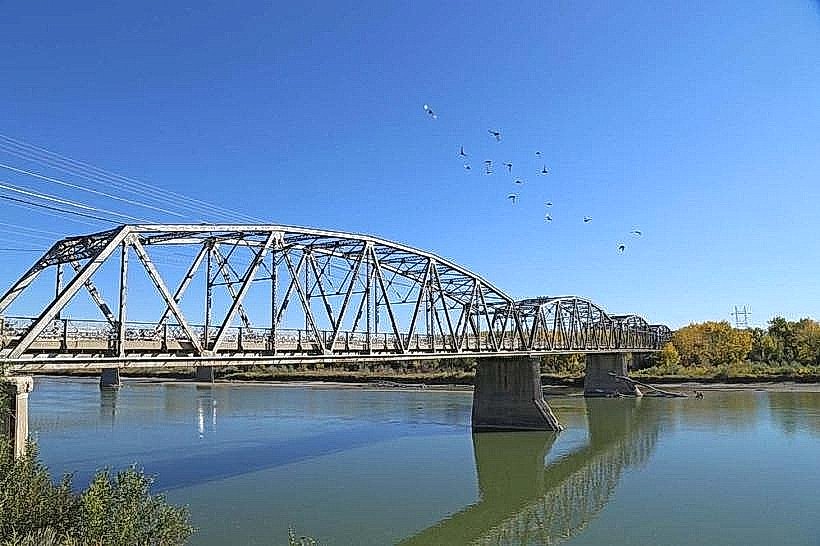
- Yellowstone River (10km South): A major river offering scenic views and recreational opportunities.
- Glendive Municipal Airport (18km East): Provides air access to the region.