Information
Landmark: Flint Cultural CenterCity: Flint
Country: USA Michigan
Continent: North America
Flint Cultural Center, Flint, USA Michigan, North America
The Flint Cultural Center is a complex of educational and artistic institutions located in Flint, Michigan, USA.
It houses several museums, a theater, and a library, serving as a central hub for arts and culture in the region.
Visual Characteristics
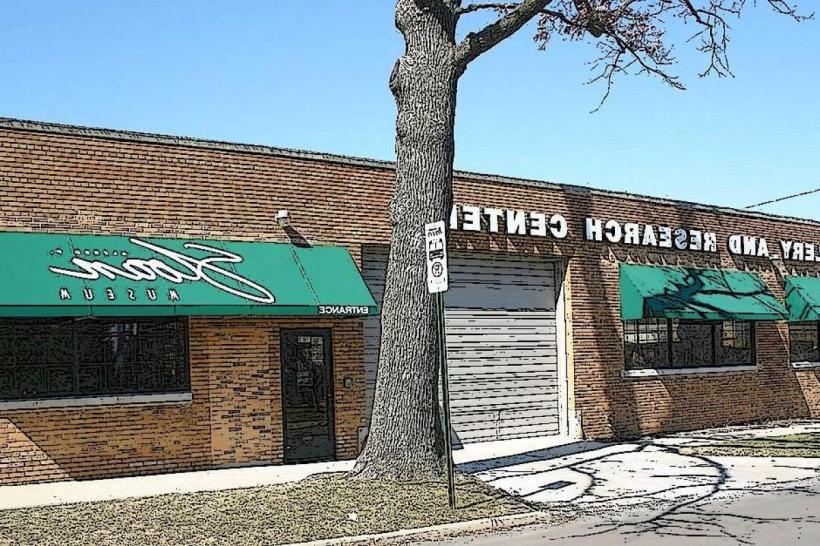
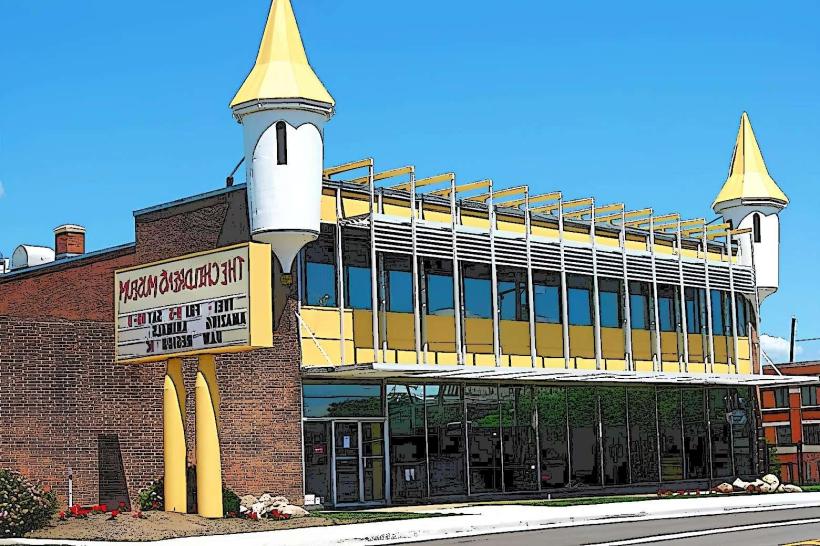
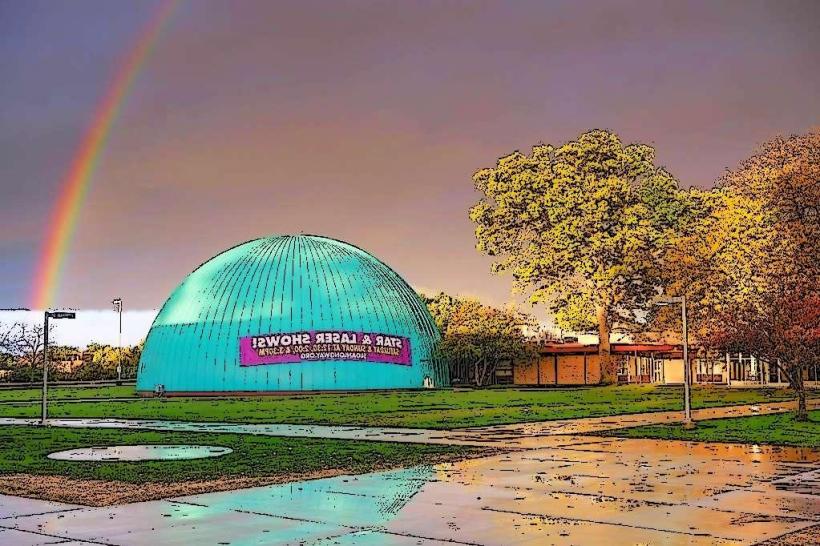
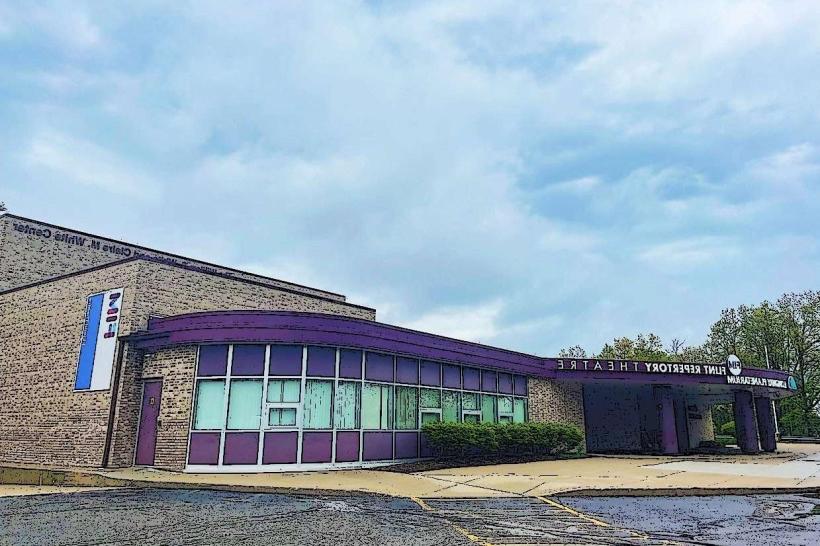
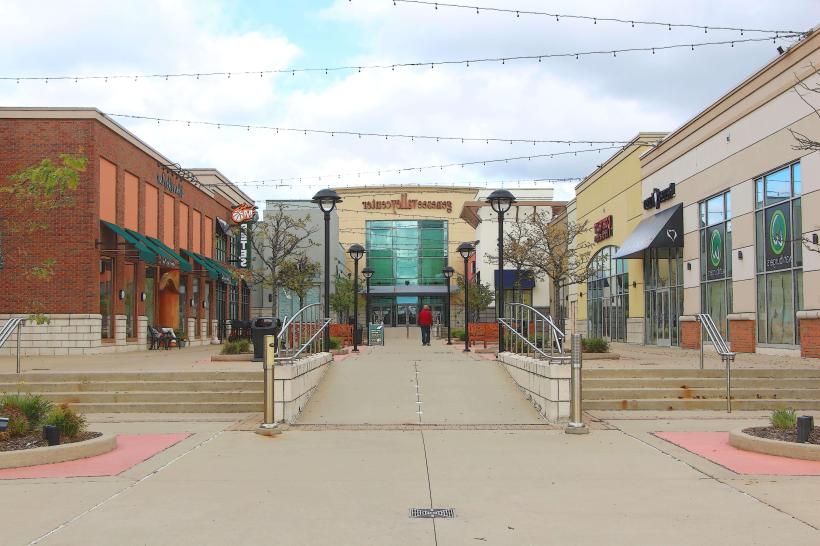
The Flint Cultural Center's primary structures are constructed from red brick and limestone. The buildings exhibit a range of architectural styles, reflecting different construction periods, with notable examples of Art Deco and mid-century modern design. The grounds feature mature trees and landscaped areas.
Location & Access Logistics
The Flint Cultural Center is situated approximately 3.2 kilometers (2 miles) northeast of downtown Flint. Access is primarily via East Kearsley Street and East Second Avenue. Ample parking is available in designated lots surrounding the individual institutions. Public transport options include the Flint Mass Transportation Authority (FMTA) bus routes, with several stops located along Kearsley Street.
Historical & Ecological Origin
The genesis of the Flint Cultural Center dates back to the early 20th century, with significant development occurring in the 1950s and 1960s. The complex was conceived as a unified center for learning and the arts, with the Whiting Auditorium and the Flint Institute of Arts being key early components. The land itself was historically part of the Genesee County Fairgrounds before its transformation.
Key Highlights & Activities
Visitors can explore the Flint Institute of Arts, which features diverse collections of American, European, and contemporary art. The Sloan Museum of Discovery offers interactive exhibits focused on science, technology, engineering, arts, and mathematics (STEAM). The Whiting hosts a schedule of theatrical performances, concerts, and other live events. The Genesee District Library branch provides public access to resources and programming.
Infrastructure & Amenities
Restrooms are available within each institution. Shaded areas are provided by trees and some covered walkways. Cell phone signal (4G/5G) is generally reliable throughout the complex. Food vendors and cafes are located within the Flint Institute of Arts and the Sloan Museum of Discovery.
Best Time to Visit
The best time for photography of the exterior architecture is during the late afternoon when the sun angle provides definition to the building materials. For indoor exhibits, any time during operating hours is suitable. The complex is generally less crowded on weekday mornings.
Facts & Legends
A notable historical detail is the original funding for the Flint Institute of Arts, which was largely provided by the industrialist Charles Stewart Mott, a prominent figure in Flint's automotive history. The center's development was part of a broader civic improvement initiative in Flint.
Nearby Landmarks
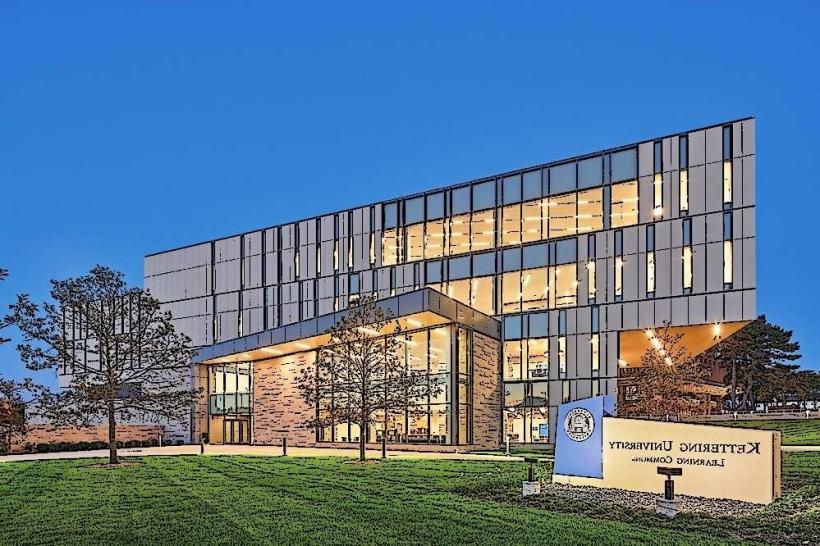
- University of Michigan-Flint (0.8km Southwest)
- Downtown Flint (3.2km Southwest)
- Saginaw Street Historic District (3.5km Southwest)
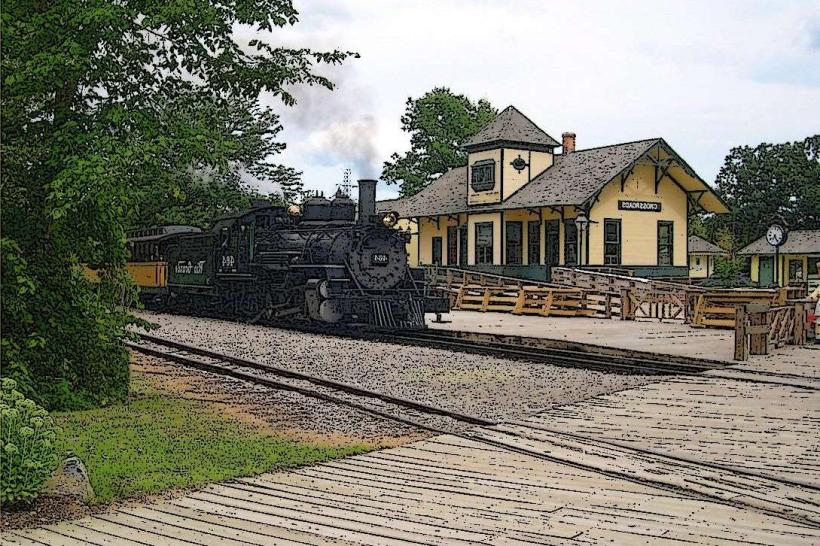
- Crossroads Village & Museum (5.0km Northeast)