Landmark: Fort Jesus
City: Mombasa
Country: Kenya
Continent: Africa
Fort Jesus, Mombasa, Kenya, Africa
Fort Jesus is a 16th-century Portuguese fort located on the eastern coast of Mombasa Island, Kenya.
It is a UNESCO World Heritage Site and a significant historical monument.
Visual Characteristics
The fort is constructed primarily from coral rag and lime mortar. Its walls are thick, reaching up to 18 meters in height in some sections, and are punctuated by bastions and turrets. The architectural style is Mannerist, characterized by its geometric design and defensive features. The exterior is weathered stone, with internal courtyards and chambers.
Location & Access Logistics
Fort Jesus is situated on the eastern edge of Mombasa Island, approximately 1.5 kilometers from the city center. Access is via the main road leading into Mombasa Island, with clear signage directing to the fort. Ample parking is available adjacent to the fort entrance. Public transport, including matatus (minibuses) and taxis, frequently travel to the island and stop near the fort.
Historical & Ecological Origin
Construction of Fort Jesus began in 1593 and was completed in 1596. It was designed by the Italian architect Giovanni Battista Cairati. The fort's original purpose was to protect Portuguese interests in East Africa and control maritime trade routes. Its construction utilized local coral stone, a common building material in coastal Kenya.
Key Highlights & Activities
Visitors can explore the fort's various levels, including ramparts, barracks, and dungeons. Guided tours are available, providing detailed historical context. Photography of the architecture and surrounding coastline is permitted. The on-site museum displays artifacts recovered from the fort and shipwrecks in the vicinity.
Infrastructure & Amenities
Restrooms are available within the fort complex. Shaded areas are present in courtyards and some interior rooms. Cell phone signal (4G/5G) is generally good within the fort. Food vendors and small shops are located outside the fort entrance, offering snacks and souvenirs.
Best Time to Visit
The best time of day for photography is typically late morning or late afternoon when the sunlight provides optimal illumination of the stone structures. The dry seasons, from June to October and December to February, offer the most pleasant weather conditions for visiting. There are no tide-dependent activities at the fort.
Facts & Legends
A notable historical oddity is the fort's strategic importance, having changed hands between Portuguese, Omani Arabs, and British forces multiple times throughout its history. A "secret" tip for visitors is to look for the carved inscriptions on some of the internal walls, which offer glimpses into the lives of past inhabitants.
Nearby Landmarks
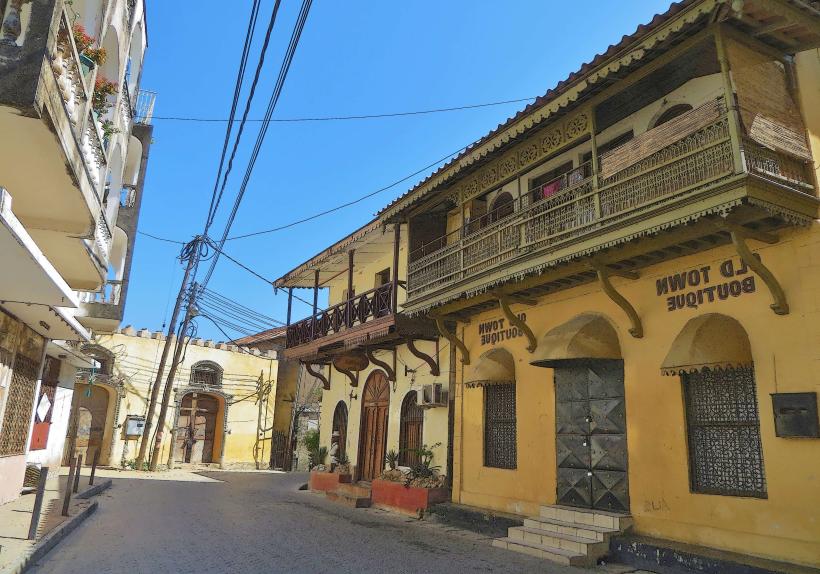
- Old Town Mombasa (0.8km West)
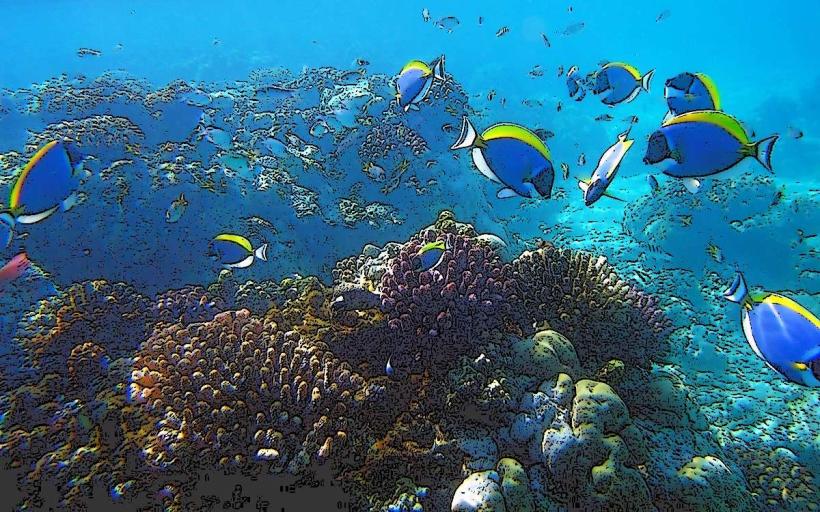
- Mombasa Marine National Park & Reserve (2.5km East)
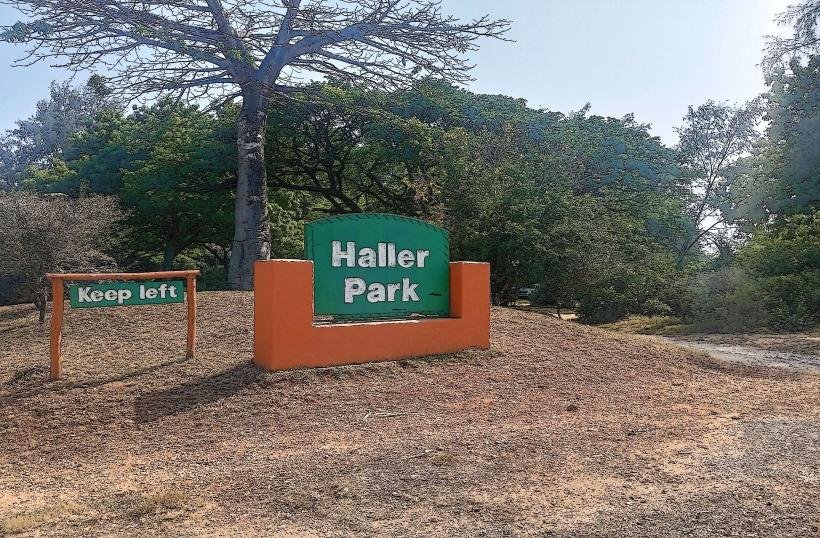
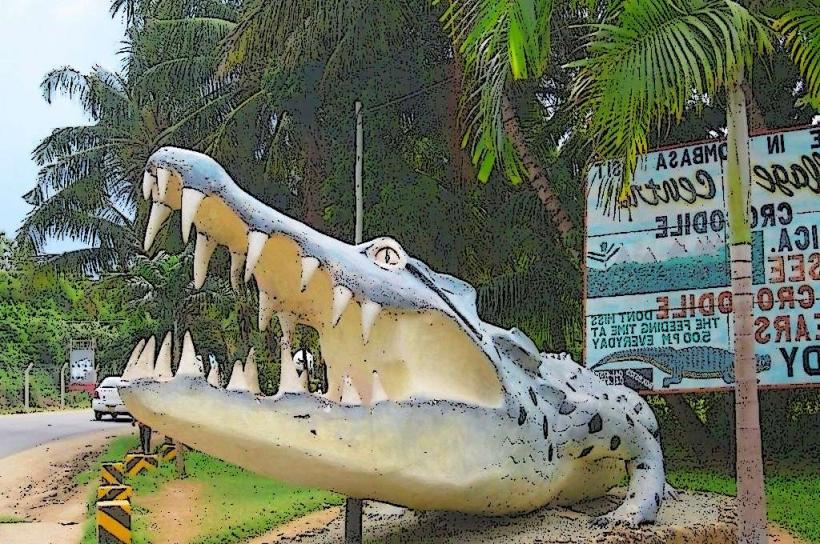
- Haller Park (4.0km Northwest)
- Jomo Kenyatta Public Beach (4.8km Northeast)