Landmark: Fort Pierre National Grassland
City: Pierre
Country: USA South Dakota
Continent: North America
Fort Pierre National Grassland, Pierre, USA South Dakota, North America
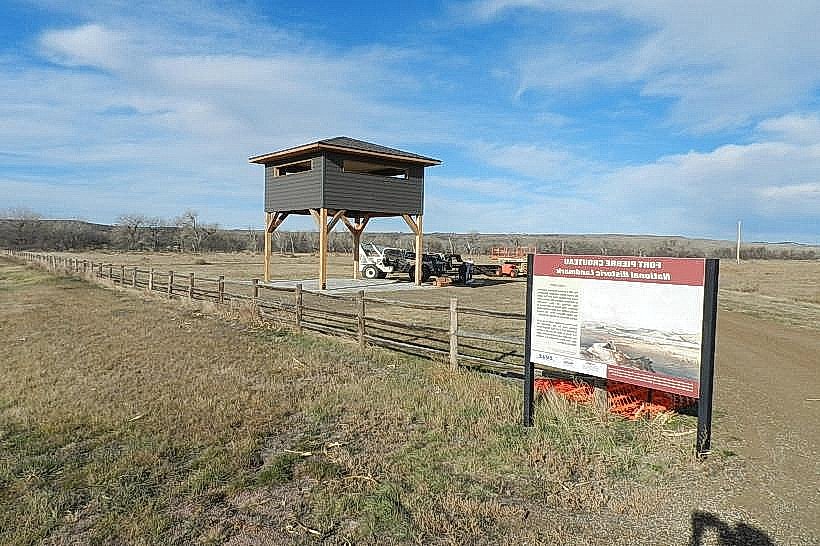
Fort Pierre National Grassland is a protected area of native prairie located in central South Dakota, west of the Missouri River.
Visual Characteristics
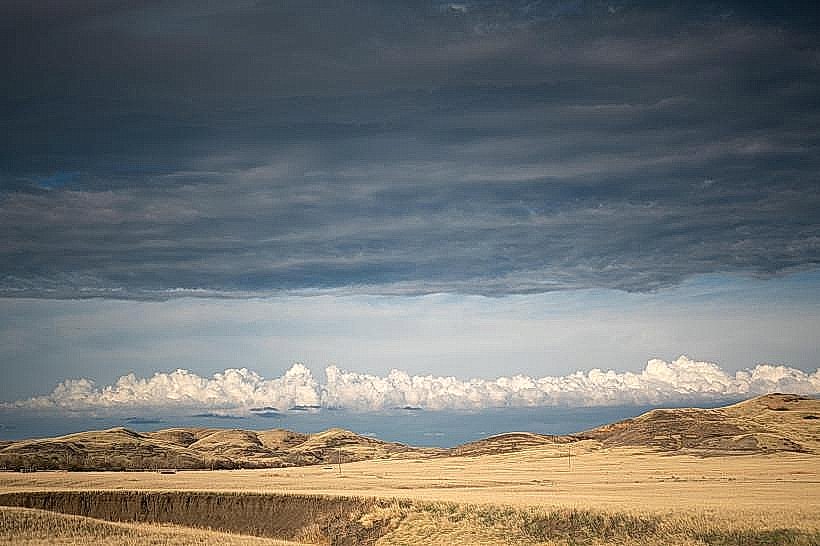
The landscape consists of rolling hills covered in mixed-grass prairie, primarily Big Bluestem, Indiangrass, and Western Wheatgrass. Scattered yucca plants and occasional small draws with cottonwood trees are present. The terrain is characterized by open expanses with minimal vertical relief.
Location & Access Logistics
The grassland is situated approximately 5 miles west of Pierre, South Dakota. Access is primarily via paved County Road 204 (also known as Old Folsom Road), which runs north-south through the central portion of the grassland. Several gravel access roads branch off County Road 204, leading to various points within the area. Parking is available at designated pull-offs along these roads. No public transport services the grassland.
Historical & Ecological Origin
Fort Pierre National Grassland was established in 1960 by the U.S. Forest Service. Its purpose is the conservation and management of native prairie ecosystems and the protection of associated wildlife. The area represents a remnant of the vast mixed-grass prairie that once covered the Great Plains, shaped by glaciation and subsequent erosion.
Key Highlights & Activities
Activities include wildlife observation, particularly for bison, pronghorn, and prairie dogs. Hiking is permitted on undeveloped trails and cross-country. Photography of the prairie landscape and wildlife is a common pursuit. Birdwatching is also a significant activity.
Infrastructure & Amenities
Restrooms are not available within the grassland. Shade is limited to the small stands of cottonwood trees. Cell phone signal is intermittent and generally poor. No food vendors are present; visitors should bring their own supplies.
Best Time to Visit
For optimal wildlife viewing, early morning and late evening hours are recommended. The best months for visiting are May through September, when vegetation is green and temperatures are moderate. Spring (April-May) offers blooming wildflowers. Summer can be hot.
Facts & Legends
The grassland is home to a reintroduced herd of American Bison. A unique feature is the presence of numerous prairie dog towns, which support a diverse ecosystem of associated species, including burrowing owls and black-footed ferrets.
Nearby Landmarks
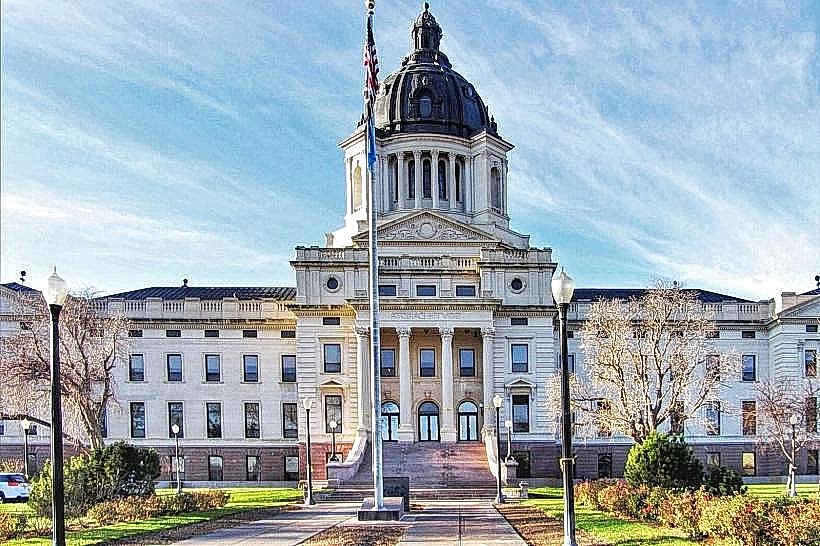
- South Dakota State Capitol Building (5km East)
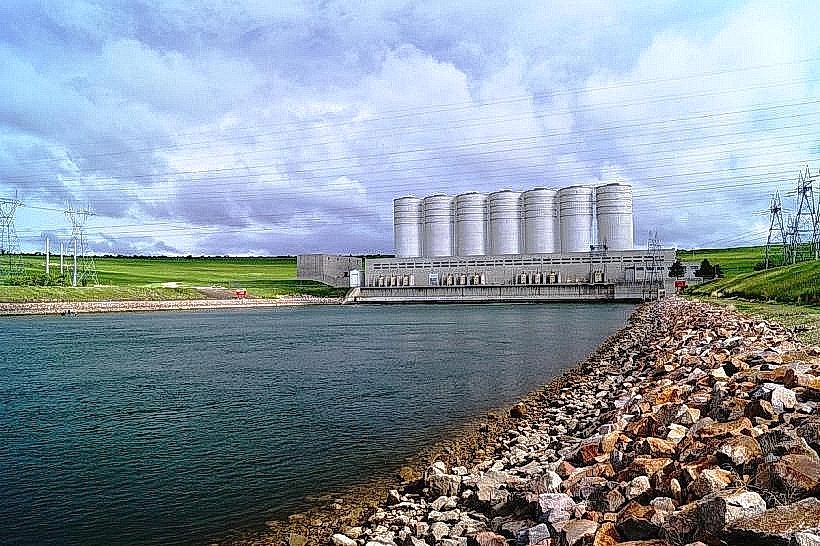
- Oahe Dam (15km North)
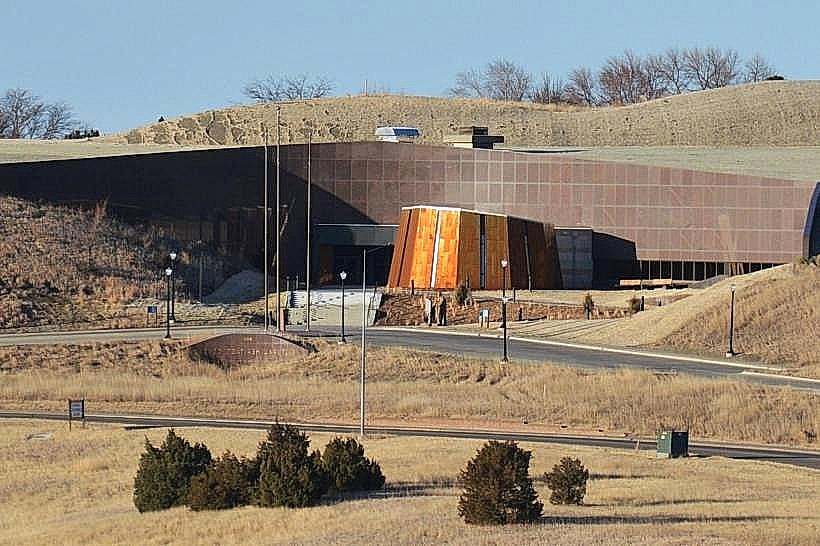
- Cultural Heritage Center (6km East)
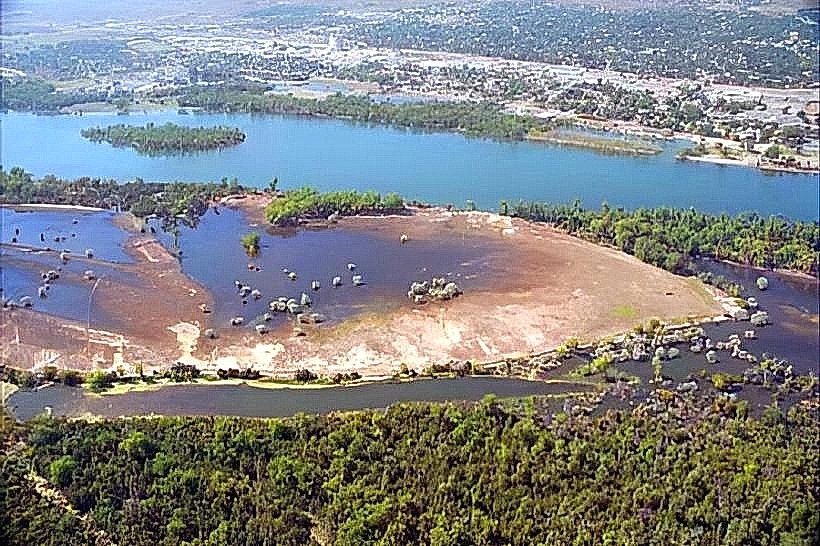
- Steamboat Park (7km East)