Landmark: Geghard Monastery
City: Garni
Country: Armenia
Continent: Asia
Geghard Monastery, Garni, Armenia, Asia
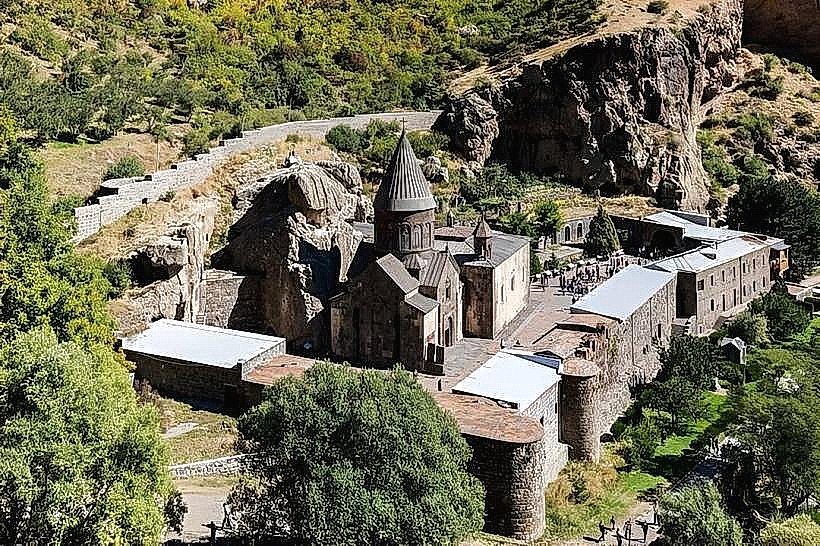
Geghard Monastery is a medieval monastic complex located in the Kotayk Province of Armenia, near the town of Garni.
It is partially carved out of the side of a mountain, featuring a unique architectural style and significant historical importance.
Visual Characteristics
The monastery complex comprises several churches and tombs, with the main structures carved directly into the rock face. The rock is primarily a light grey, sedimentary stone. The architectural style blends Armenian medieval architecture with elements of rock-cut construction. The main cathedral, built in 1215, features a cruciform plan with a dome. Smaller chapels and chambers are intricately carved, showcasing detailed stonework and reliefs. The surrounding landscape is characterized by steep cliffs and a river gorge.
Location & Access Logistics
Geghard Monastery is situated approximately 5 kilometers southeast of Garni village. Access from Yerevan, the capital, involves driving east on the M1 highway for about 30 kilometers, then taking the H2 road towards Garni. From Garni, follow signs for Geghard Monastery, a distance of about 5 kilometers. Parking is available at the entrance to the monastery complex, with a fee typically charged. Public transport options are limited; a combination of bus to Garni and then a taxi or pre-arranged transport is the most common method. There are no direct bus routes to the monastery itself.
Historical & Ecological Origin
The monastery's origins date back to the 4th century, founded by Saint Gregory the Illuminator. The primary structures visible today were constructed between the 11th and 13th centuries. The main cathedral was completed in 1215. The complex was a significant religious and cultural center in medieval Armenia. The rock formations are part of the Azat River gorge, a geological feature formed by erosion over millennia.
Key Highlights & Activities
Exploration of the rock-cut chambers and churches is the primary activity. Visitors can examine the intricate carvings and architectural details within the main cathedral (Katoghike), the adjoining Zhamatun (Gavit), and the smaller chapels like the Astvatsatsin Church. Photography is permitted. The site is a UNESCO World Heritage site, offering insights into medieval Armenian architecture and religious practices.
Infrastructure & Amenities
Restrooms are available near the parking area. Limited shade is provided by the rock overhangs and the structures themselves. Cell phone signal (4G/5G) is generally available within the complex. Small souvenir stalls and food vendors are located outside the monastery entrance, offering local crafts and snacks.
Best Time to Visit
For optimal lighting for photography, early morning or late afternoon is recommended, particularly during spring and autumn. The best months for weather are April through June and September through October, offering mild temperatures. Winter months can be cold with potential for snow, impacting accessibility. There are no tide-dependent activities at this inland site.
Facts & Legends
Geghard is famously said to have housed the lance that pierced Christ's side during the crucifixion, brought to Armenia by Saint Jude Thaddeus. This relic, the Holy Lance, is no longer on display at the monastery. The name "Geghard" itself translates to "Monastery of the Lance."
Nearby Landmarks
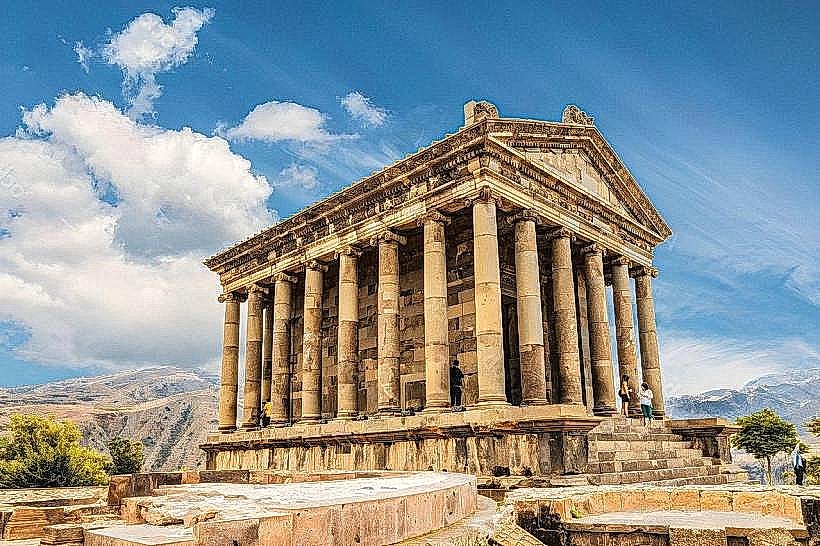
- Garni Temple (2.5km Northwest)
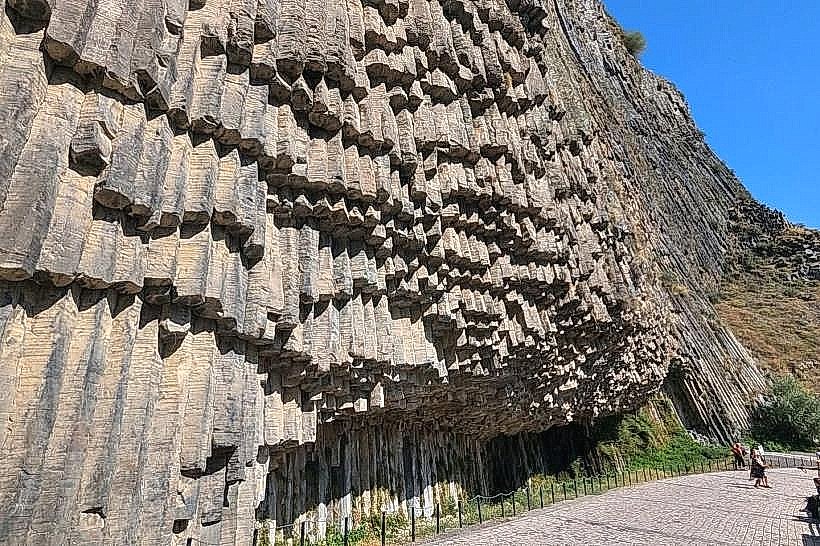
- Symphony of Stones (3km Northwest)
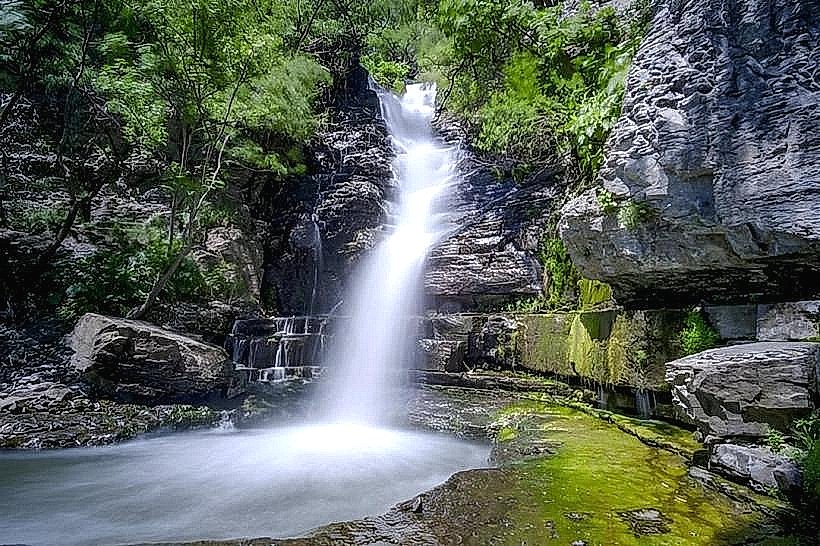
- Azat River Gorge (Adjacent)
- Khachkar Museum (2.5km Northwest)