Landmark: Gjirokastër Castle
City: Gjirokaster
Country: Albania
Continent: Europe
Gjirokastër Castle, Gjirokaster, Albania, Europe
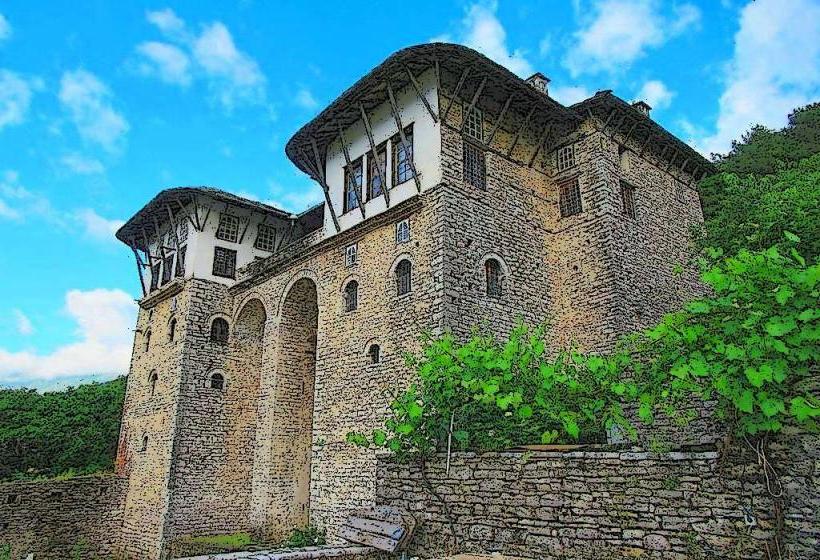
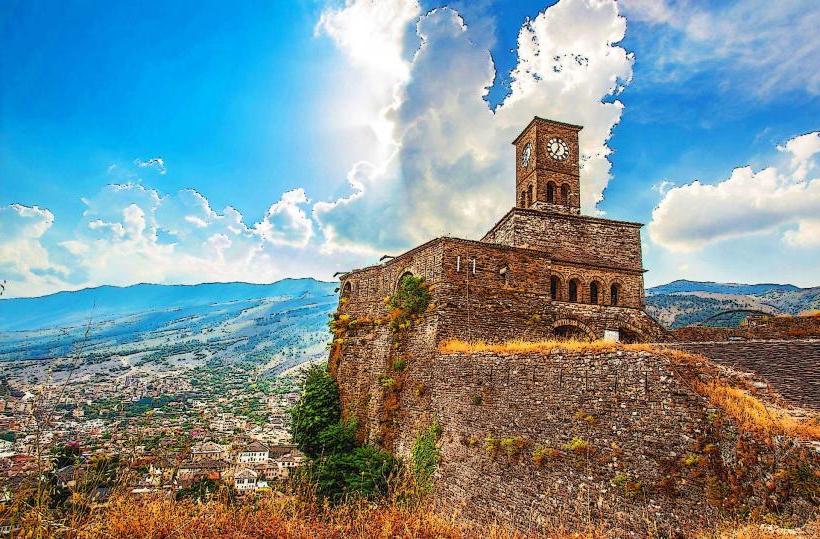
Gjirokastër Castle is a massive stone fortress situated on a strategic ridge overlooking the city of Gjirokastër and the Drino Valley. It is one of the largest defensive structures in the Balkans, serving as the historical and architectural anchor of the city’s UNESCO World Heritage status.
Visual Characteristics
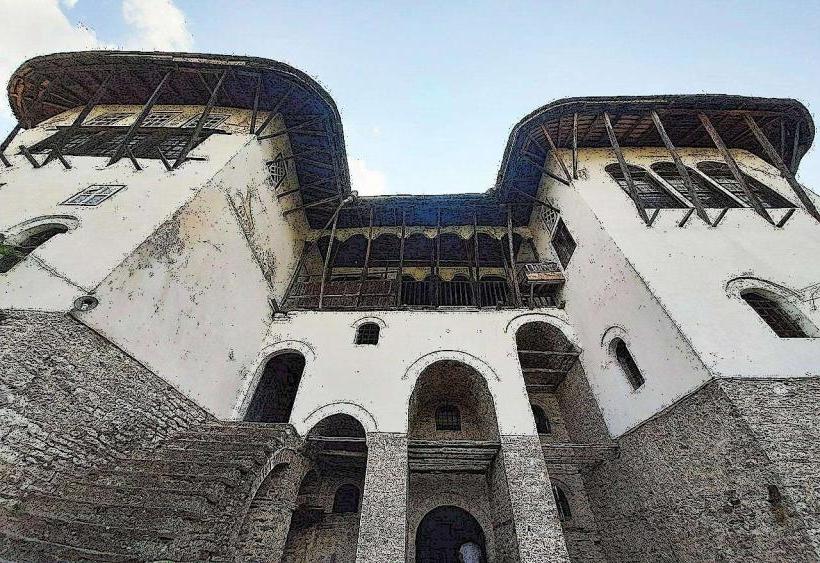
The fortress is constructed almost entirely from silver-grey limestone, featuring thick curtain walls that follow the natural contours of the 336-meter-high plateau. Key architectural elements include a prominent 19th-century clock tower, several circular defensive bastions, and a vast vaulted stone gallery. The interior contains a network of damp, cavernous stone halls and long tunnels designed to withstand heavy artillery.
Location & Access Logistics
The castle is located at the highest point of the historic center, at the terminus of Rruga Gjin Bue Shpata. It is approximately a 15-minute uphill walk from the Old Bazaar (Qafa e Pazarit). While small vehicles can reach the main gate, parking is extremely limited; visitors are advised to park in the lower city and use the pedestrian stone paths. No direct public bus service runs to the gate, but taxis are readily available.
Historical & Ecological Origin
The first fortifications date to the 12th century, though the castle underwent massive expansions under the Despotate of Epirus and later the Ottoman Empire. Its current form is largely the result of a 19th-century reconstruction by Ali Pasha of Tepelena, who added the clock tower and the vaulted aqueduct system. Geologically, the castle is built upon a flysch and limestone ridge that provides a natural defensive barrier against the surrounding valley.
Key Highlights & Activities
Visitors can walk through the Great Gallery, which houses a collection of heavy artillery and a captured US Air Force T33 jet. The site contains the Gjirokastër Museum, detailing local history, and the ruins of a former political prison. The open-air festival stage at the northern end hosts the National Folklore Festival and offers panoramic views of the "thousand steps" city below.
Infrastructure & Amenities
The castle grounds include a ticket office, a small cafe near the clock tower, and a museum shop. Public restrooms are located inside the museum wing. 4G and 5G cellular signals are generally strong on the exterior ramparts but drop significantly within the thick-walled stone galleries. Large portions of the site are exposed to the sun, and the stone floors can be uneven and slippery.
Best Time to Visit
The best time for photography is the late afternoon when the sun highlights the grey limestone walls and the Drino Valley. Morning visits are recommended during summer months to avoid the intense heat on the exposed plateau. The castle is open daily, year-round, with extended hours during the peak tourist season (May–September).
Facts & Legends
A local legend surrounds the "Princess Argjiro," who is said to have jumped from the castle walls with her infant child to avoid capture by Ottoman invaders, giving the city its name. A verified historical oddity is the presence of a massive cistern system capable of holding enough water to sustain the garrison for months during a siege.
Nearby Landmarks
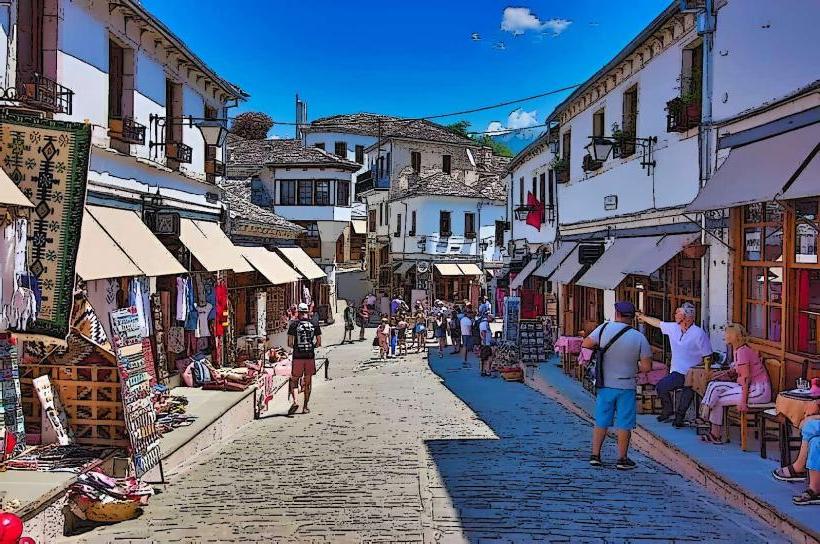
Old Bazaar (Qafa e Pazarit): 0.4km Northeast
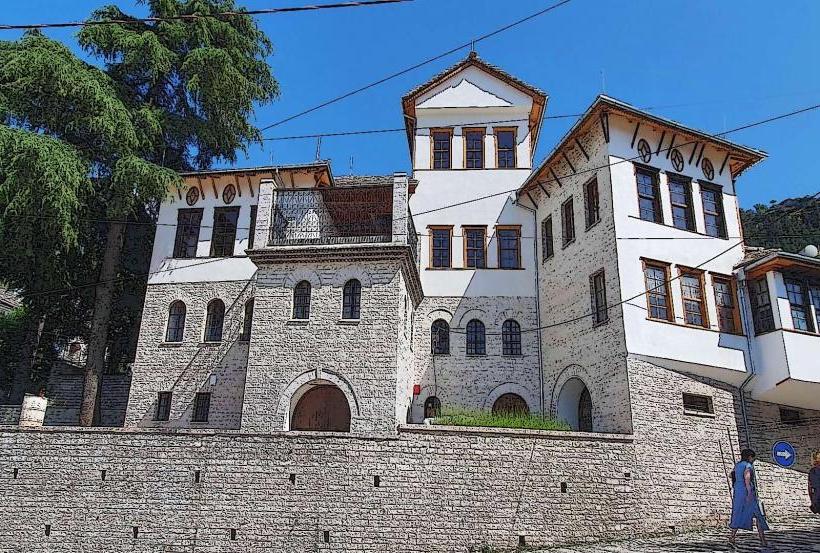
Skenduli House: 0.6km North
Zekate House: 0.8km Northwest
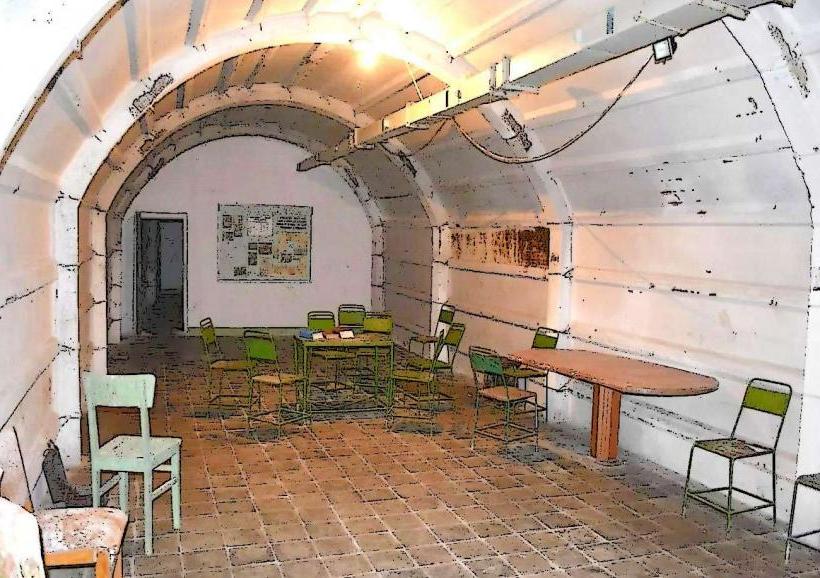
Cold War Tunnel Museum: 0.3km East
Gjirokastër Obelisk: 0.5km Northeast