Information
Landmark: Gol MountainsCity: Ngorongoro Region
Country: Tanzania
Continent: Africa
Gol Mountains, Ngorongoro Region, Tanzania, Africa
The Gol Mountains are a geological formation located within the Ngorongoro Region of Tanzania. This area is characterized by its rugged terrain and significant elevation changes.
Visual Characteristics
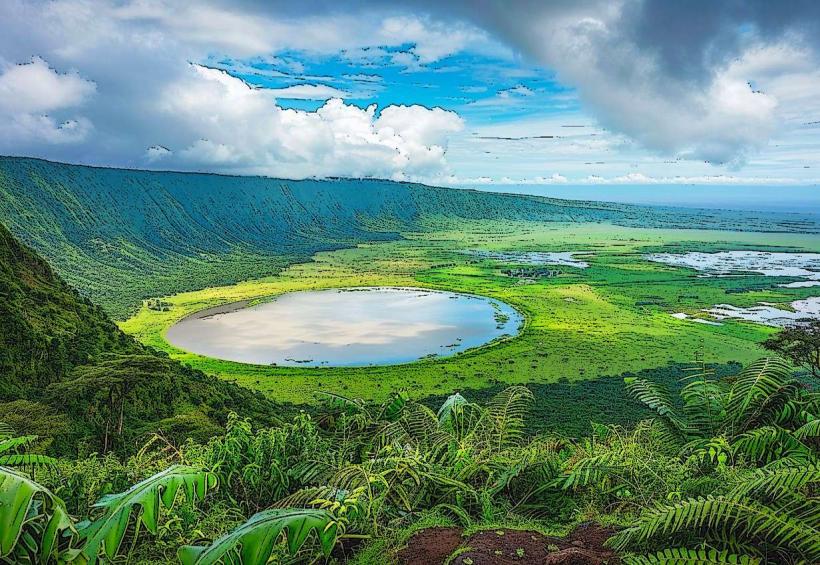
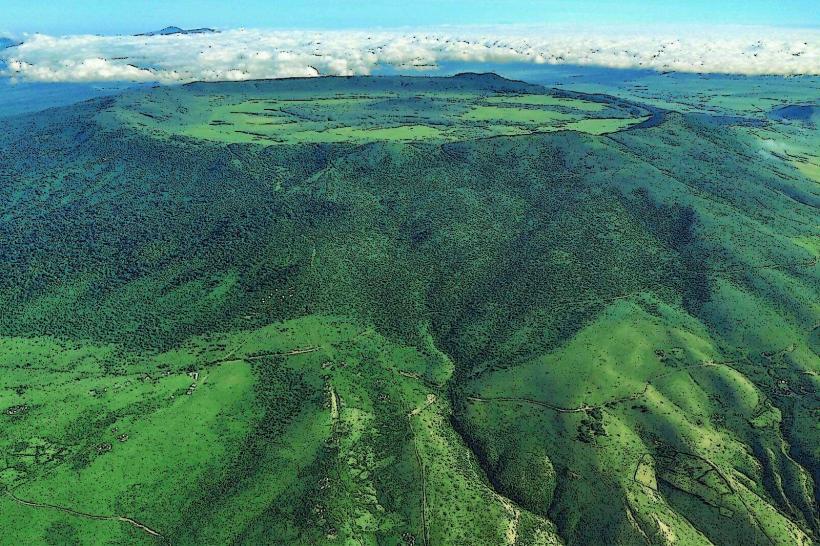
The Gol Mountains present a landscape of steep, eroded slopes composed primarily of Precambrian metamorphic rocks. Vegetation varies with altitude, transitioning from savanna grasslands at the base to denser montane forests on higher elevations. Rock faces exhibit shades of grey, brown, and red, with exposed strata indicating geological history. Elevation ranges from approximately 1,500 meters to over 2,500 meters above sea level.
Location & Access Logistics
The Gol Mountains are situated approximately 30 kilometers west of the main Ngorongoro Conservation Area entrance gate. Access is primarily via unpaved roads originating from the Karatu district. The nearest major town is Karatu, about 40 kilometers to the east. Vehicle access is limited to 4x4 vehicles, especially during the rainy season (November to May). No public transport services reach the Gol Mountains directly. Parking is informal and available at designated trailheads, though capacity is minimal.
Historical & Ecological Origin
The Gol Mountains are part of the larger East African Rift System, formed by tectonic activity and subsequent erosion over millions of years. Their geological origin is linked to the uplift and fracturing of the Earth's crust. Ecologically, they represent a transition zone between the drier savanna and the wetter highland forests, supporting a diverse range of flora and fauna adapted to these varied conditions.
Key Highlights & Activities
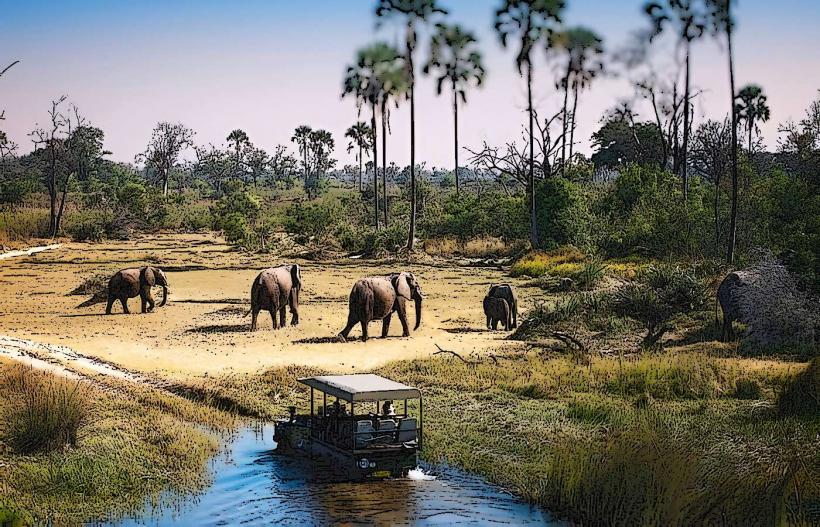
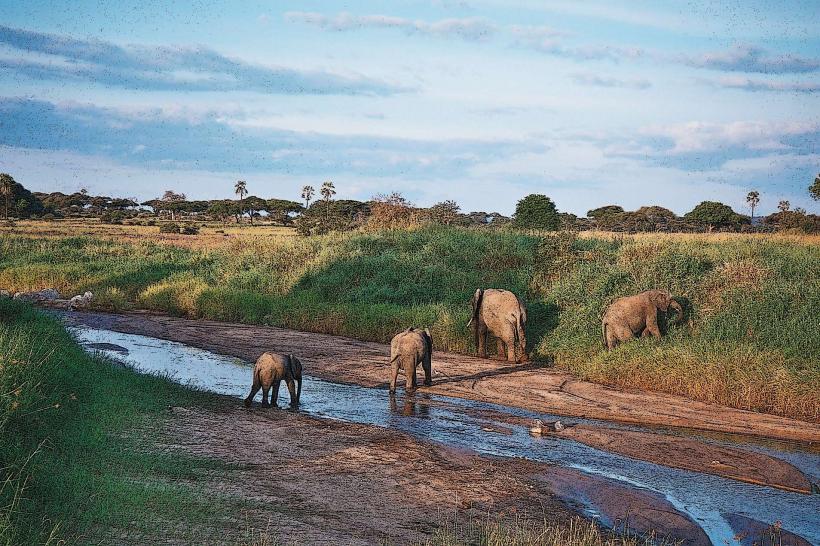
Hiking is the primary activity, with several trails of varying difficulty. The ascent to the highest peaks offers panoramic views of the surrounding plains. Wildlife observation is possible, with species such as various antelope, primates, and numerous bird species inhabiting the slopes. Photography opportunities exist for geological features and landscape vistas.
Infrastructure & Amenities
There are no formal infrastructure or amenities within the Gol Mountains themselves. Basic facilities like restrooms or food vendors are absent. Cell phone signal is intermittent and generally unreliable, particularly at higher elevations. Visitors should carry all necessary supplies, including water and food.
Best Time to Visit
The dry season, from June to October, offers the most favorable conditions for hiking and wildlife viewing due to clearer skies and less challenging terrain. The early morning and late afternoon provide optimal lighting for landscape photography. There are no tidal considerations for this inland mountainous region.
Facts & Legends
Local Maasai folklore associates the Gol Mountains with ancient spirits and consider them a sacred area. One specific point of interest is a series of small caves found on the western slopes, believed by some to have been used as temporary shelters by early human inhabitants or as ritual sites.
Nearby Landmarks
- Ngorongoro Conservation Area Headquarters (15km Northeast)
- Olduvai Gorge Museum (20km Southeast)
- Lake Eyasi (45km Southwest)
- Empakaai Crater (35km North)