Information
Landmark: Ngorongoro CraterCity: Ngorongoro Region
Country: Tanzania
Continent: Africa
Ngorongoro Crater, Ngorongoro Region, Tanzania, Africa
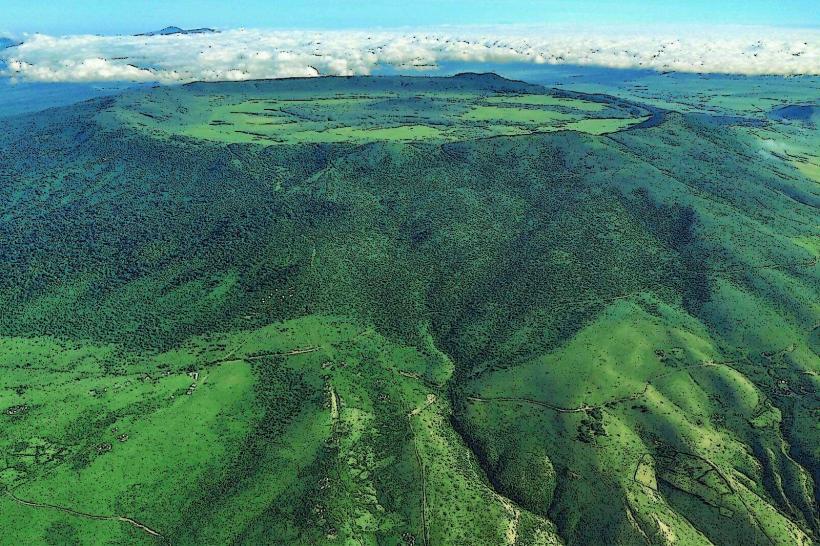
The Ngorongoro Crater is a large, intact volcanic caldera located in the Ngorongoro Conservation Area of Tanzania's Arusha Region.
This geological formation serves as a significant wildlife habitat within the Serengeti ecosystem.
Visual Characteristics
The crater floor is a relatively flat expanse, approximately 16-19 kilometers (10-12 miles) in diameter. It is characterized by a mosaic of habitats including short grass plains, acacia woodlands, dense thorn bush, and a central soda lake (Lake Magadi). The crater walls rise steeply, forming a near-perfect circular rim.
Location & Access Logistics
The Ngorongoro Crater is situated approximately 180 kilometers (110 miles) west of Arusha. Access is via the A-104 road, which connects to the main Tanzanian road network. The nearest major airport is Kilimanjaro International Airport (JRO), about a 3-4 hour drive from the crater rim. Entry to the Ngorongoro Conservation Area requires a permit. Vehicle access to the crater floor is restricted to designated tracks, and descent is via specific gates. Parking is available at designated viewpoints on the rim and at the base of the crater for safari vehicles.
Historical & Ecological Origin
The Ngorongoro Crater was formed approximately 2 to 3 million years ago by the collapse of a large volcano. It is classified as a caldera. The Ngorongoro Conservation Area was established in 1959, initially as part of the Serengeti National Park, and later designated as a separate conservation area to allow for the coexistence of wildlife and Maasai pastoralists.
Key Highlights & Activities
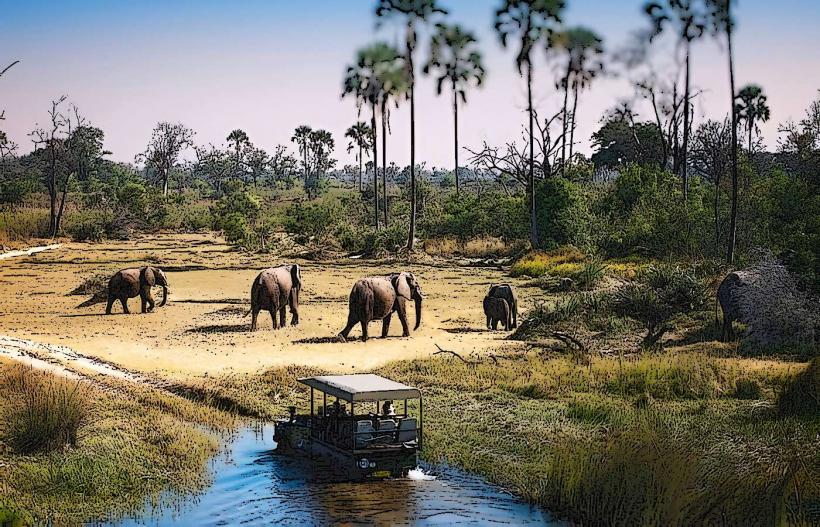
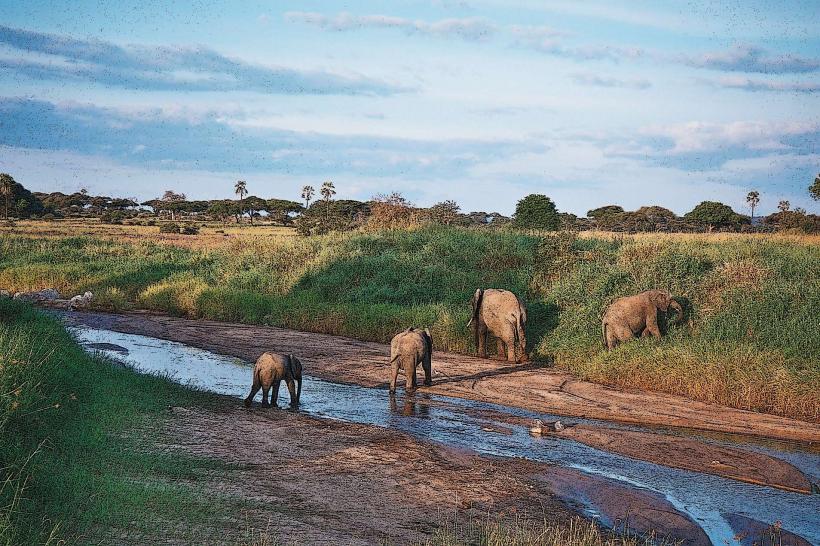
Wildlife viewing is the primary activity. Specific animals commonly observed include lions, elephants, rhinoceros (black rhino), hippopotamuses, zebras, wildebeest, and numerous bird species. Game drives on the crater floor are permitted. Photography is a significant activity due to the high concentration of wildlife.
Infrastructure & Amenities
Restrooms are available at the crater rim visitor center and at designated picnic sites on the crater floor. Shade is provided by acacia trees in certain areas of the crater floor. Cell phone signal (4G/5G) is generally available on the crater rim and in some parts of the conservation area, but can be intermittent on the crater floor. Food vendors are typically located at the visitor centers on the rim; food services on the crater floor are limited to picnic lunches for organized tours.
Best Time to Visit
The best time for wildlife viewing is during the dry seasons, from January to March and June to October. The early morning (6:00 AM to 9:00 AM) offers optimal lighting for photography and increased animal activity. High tide in Lake Magadi can affect access to certain areas of the crater floor.
Facts & Legends
The Ngorongoro Crater is often referred to as the "Eighth Wonder of the World" due to its unique concentration of wildlife. It is one of the few places where the endangered black rhinoceros can be reliably seen in significant numbers.
Nearby Landmarks
- Olduvai Gorge (8km Southwest)
- Empakai Crater (15km Northeast)
- Olmoti Crater (10km North)
- Serengeti National Park (Access points vary, approximately 30km Northwest)
- Lake Manyara National Park (40km Southeast)