
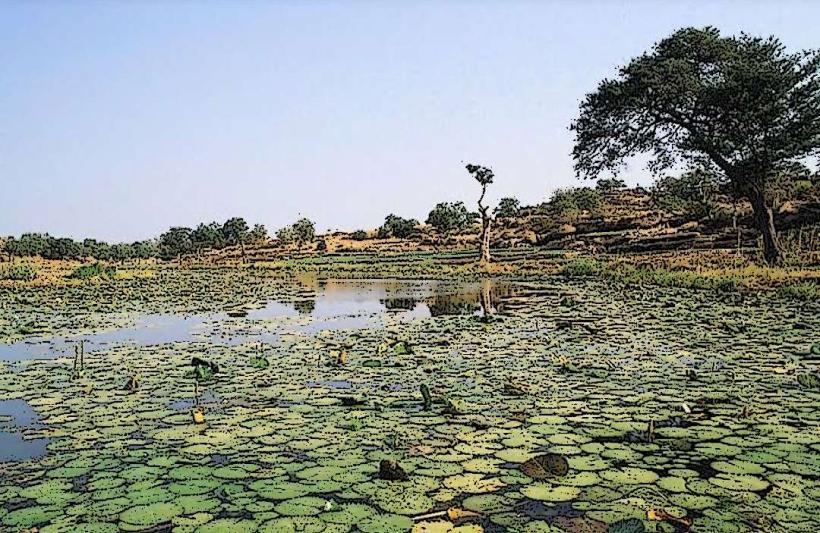
Landmark: Hadejia-Nguru Wetlands
City: Jigawa
Country: Nigeria
Continent: Africa
Hadejia-Nguru Wetlands, Jigawa, Nigeria, Africa
The Hadejia-Nguru Wetlands are a complex system of seasonal rivers, lakes, and floodplains located in Jigawa State, Nigeria.
This area serves as a critical ecosystem for biodiversity and a vital resource for local communities.
Visual Characteristics
The wetlands are characterized by a mosaic of shallow lakes, marshes, and seasonally flooded grasslands. Water bodies vary in depth and extent depending on the season. Vegetation includes papyrus reeds, various grasses, and scattered acacia trees along the riverbanks and higher ground.
Location & Access Logistics
The wetlands are situated approximately 150 kilometers northeast of Kano city. Access is primarily via the A1 highway towards Hadejia town. From Hadejia, local roads provide access to different sections of the wetlands, though many areas are only accessible by boat or on foot during the wet season. Vehicle access is limited to dry season and higher ground. No dedicated public transport routes serve the core wetland areas; local taxis and hired vehicles are the primary means of transport from Hadejia.
Historical & Ecological Origin
The Hadejia-Nguru Wetlands are a natural floodplain system formed by the confluence of the Hadejia, Jama'are, and Katagum rivers. Their ecological significance lies in their role as a Ramsar site, supporting a diverse array of migratory and resident bird species, as well as fish populations. The wetlands are crucial for groundwater recharge and flood regulation in the region.
Key Highlights & Activities
Birdwatching is a primary activity, with numerous species observable throughout the year. Fishing is conducted by local communities. Boat trips are possible on larger water bodies during the high-water season. Walking and observing the landscape are also common.
Infrastructure & Amenities
Basic amenities are scarce within the core wetland areas. Small villages on the periphery may offer limited food supplies. Restrooms are generally not available. Cell phone signal is intermittent and often absent in more remote sections. Shade is provided by scattered trees.
Best Time to Visit
The best time for birdwatching is during the dry season, from November to March, when water levels are lower and birds congregate. The wet season, from June to October, offers fuller water bodies for boat access but can make ground travel difficult. Early morning and late afternoon provide optimal lighting for photography.
Facts & Legends
The wetlands are a critical stopover point for Palearctic migratory birds, with some species traveling thousands of kilometers to reach this area. Local folklore often attributes the abundance of fish to spirits residing in the deeper lakes.
Nearby Landmarks
- Hadejia Town (0.5km West)
- Tiga Dam (40km Southwest)
- Kano City (150km Southwest)


