Information
Landmark: Haga DistrictCity: Gothenburg
Country: Sweden
Continent: Europe
Haga District, Gothenburg, Sweden, Europe
Haga District is one of Gothenburg's oldest neighborhoods, characterized by its preserved 19th-century wooden houses and pedestrian streets. It is situated directly west of the city center, bordered by the Vallgraven canal to the east and Linnéstaden to the west.
Visual Characteristics
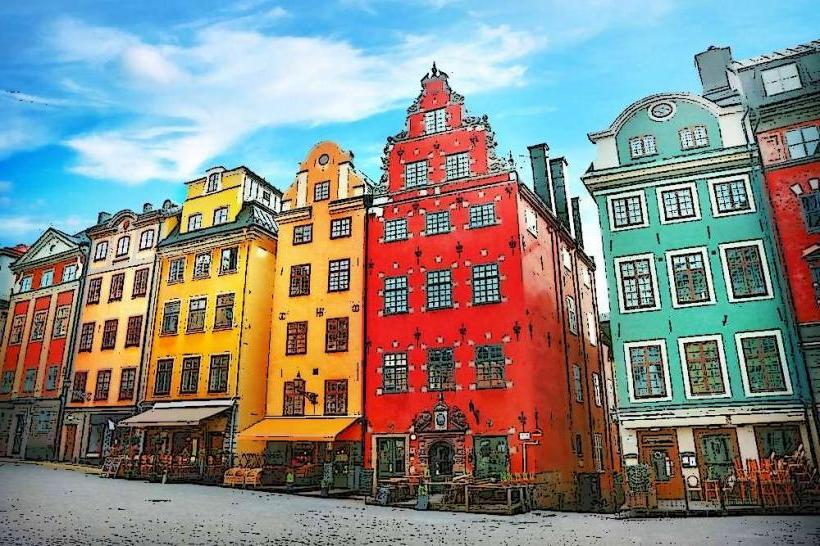
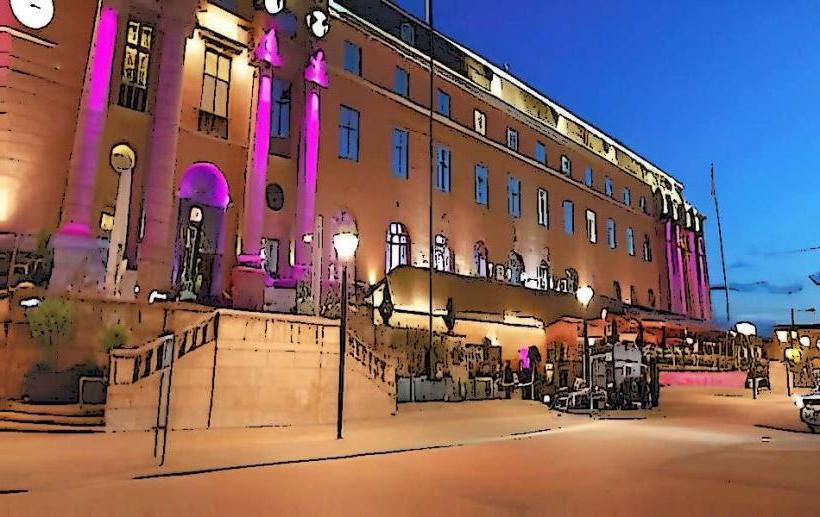
The district features predominantly two- and three-story wooden houses, known as landshövdingehus, which combine a stone ground floor with wooden upper levels. Building facades display a range of earthy and pastel colors, including ochre, red, and green. Streets are paved with cobblestones, and many feature mature trees. The overall street layout is a grid pattern, with Haga Nygata serving as the primary pedestrian thoroughfare.
Location & Access Logistics
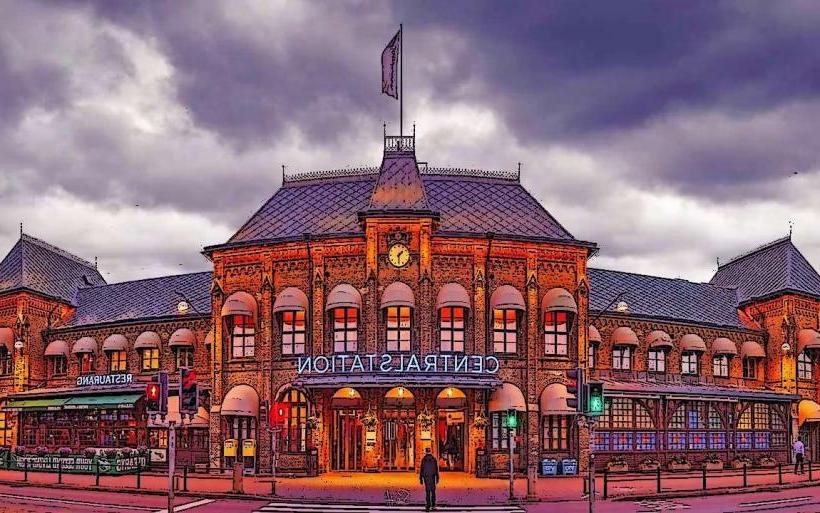
Haga District is located approximately 1.5 km west of Gothenburg Central Station. Access is primarily via public transport or walking. Several tram lines serve the area; the nearest stops include Hagakyrkan (Trams 1, 2, 6, 9, 11) and Järntorget (Trams 1, 3, 6, 9, 11). From the city center (e.g., Brunnsparken), a walk takes approximately 15-20 minutes. Limited street parking is available on surrounding streets, and paid parking garages such as P-hus Haga are located within 0.5 km.
Historical & Ecological Origin
Haga was established in the mid-17th century as Gothenburg's first suburb, originally intended for workers outside the city walls. Its development accelerated in the 19th century with the construction of the distinctive landshövdingehus, designed to circumvent fire regulations that restricted multi-story wooden buildings. The district underwent significant renovation and preservation efforts in the late 20th century, maintaining its historical character.
Key Highlights & Activities
Visitors can walk along Haga Nygata to observe the architecture and browse independent shops. Traditional Swedish fika (coffee break) is a common activity at local cafes. Specific shops offer local crafts, vintage items, and confectionery. The district provides direct pedestrian access to the fortress Skansen Kronan via a walking path.
Infrastructure & Amenities
Public restrooms are available near Järntorget and within some cafes. Shade is provided by building overhangs and street trees, particularly along Haga Nygata. Cell phone signal (4G/5G) is consistently strong throughout the district. Numerous cafes, bakeries, and restaurants are present, offering a range of food and beverage options.
Best Time to Visit
The district is accessible year-round. Weekday mornings, particularly between 09:00 and 11:00, offer fewer crowds for walking and photography. Late spring (May-June) and early autumn (September-October) provide mild weather conditions. Daylight hours are optimal for architectural observation; shops typically operate from 10:00 to 18:00.
Facts & Legends
Haga is known for its oversized cinnamon buns, locally referred to as Hagabulle, which are significantly larger than standard Swedish cinnamon buns and are a specialty of several district bakeries. Historically, the district was considered a working-class area, and its transformation into a preserved cultural site reflects Gothenburg's urban development and heritage conservation efforts.
Nearby Landmarks
- Skansen Kronan: 0.3km West
- Järntorget: 0.2km South
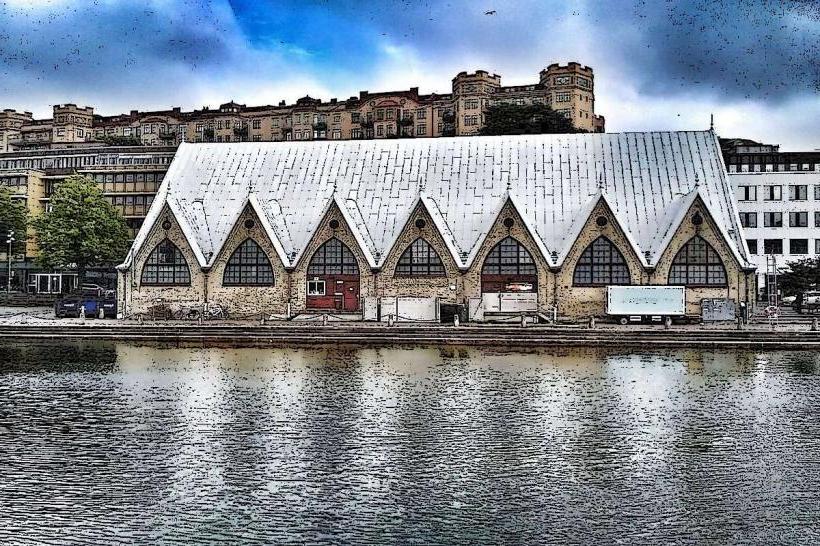
- Feskekôrka (Fish Church): 0.8km North-West
- Linnégatan: 0.5km West
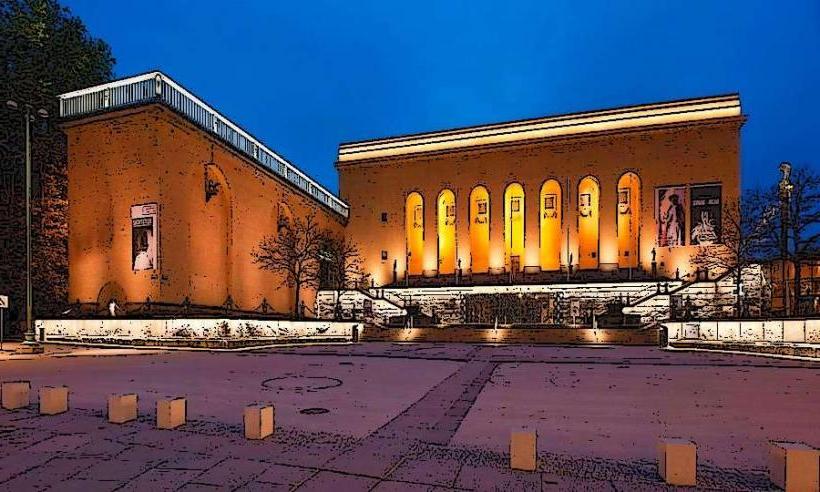
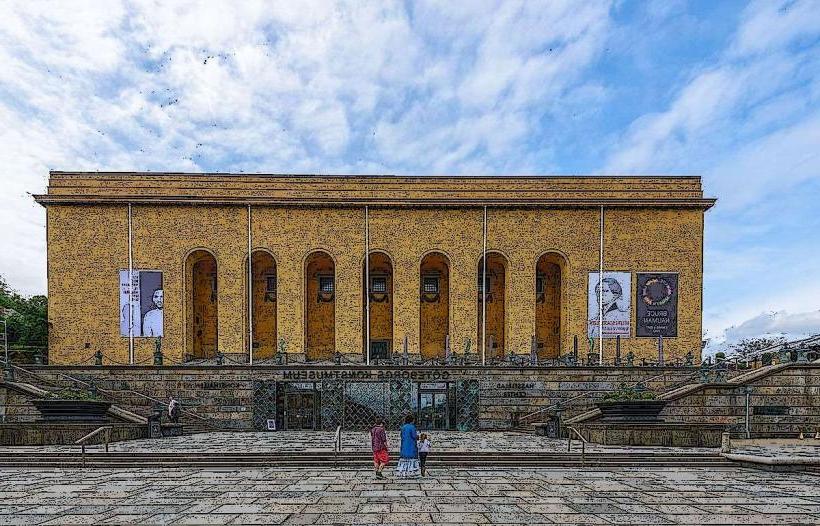
- Gothenburg Museum of Art: 1.5km East