Landmark: Hams Fork River Valley
City: Kemmerer
Country: USA Wyoming
Continent: North America
Hams Fork River Valley, Kemmerer, USA Wyoming, North America
The Hams Fork River Valley is a geological and paleontological site located in southwestern Wyoming, near the city of Kemmerer.
This valley is recognized for its significant fossil deposits, particularly those from the Eocene epoch.
Visual Characteristics
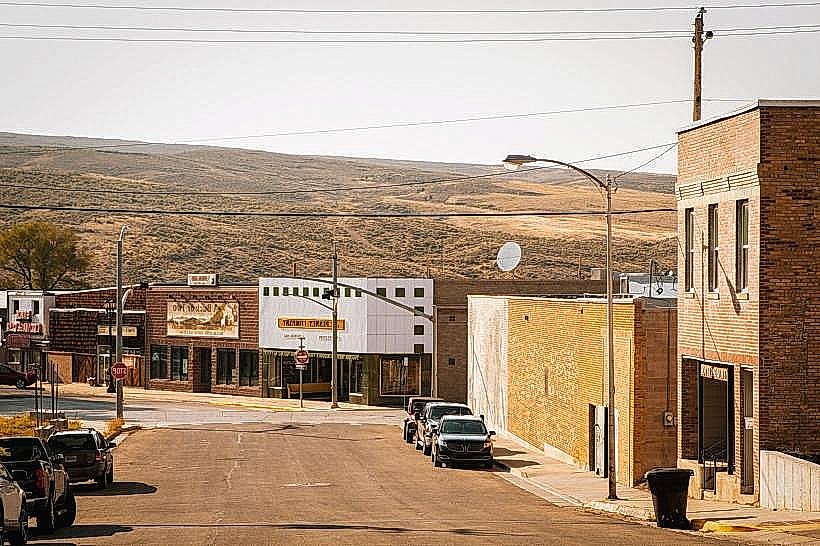
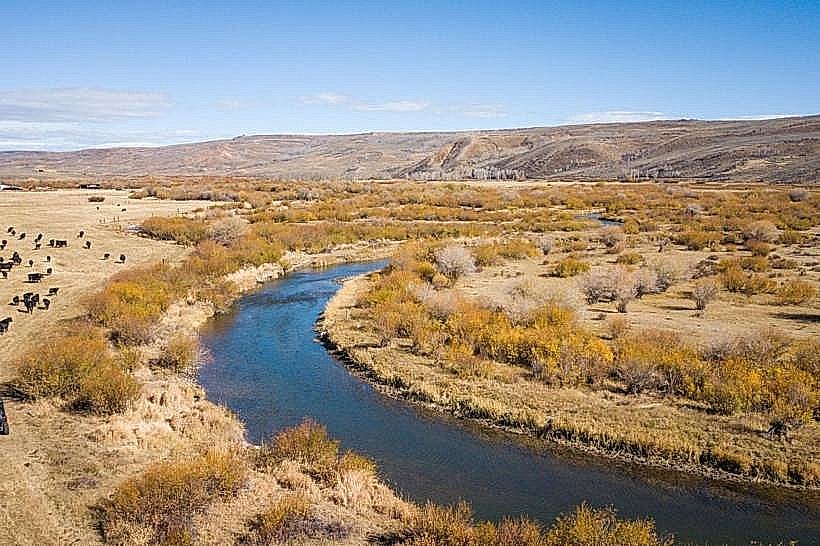
The valley floor is characterized by sedimentary rock formations, primarily shale and sandstone, exhibiting muted earth tones of brown, tan, and gray. Vegetation consists of sagebrush, grasses, and scattered juniper trees, with the Hams Fork River meandering through the landscape. Elevations range from approximately 7,000 to 8,000 feet.
Location & Access Logistics
The Hams Fork River Valley is situated approximately 10 miles east of Kemmerer, Wyoming. Access is primarily via Wyoming State Highway 233, which runs along the valley's southern edge. Unpaved county roads branch off Highway 233, providing access to specific fossil sites. Parking is generally available on the shoulder of these unpaved roads. No public transport services operate directly to the valley.
Historical & Ecological Origin
The valley's geological formations are the result of sedimentary deposition during the Eocene epoch, approximately 56 to 34 million years ago. These deposits accumulated in ancient lakebeds and river systems, preserving a rich record of prehistoric life. The area is classified as a lacustrine (lake) and fluvial (river) deposit environment.
Key Highlights & Activities
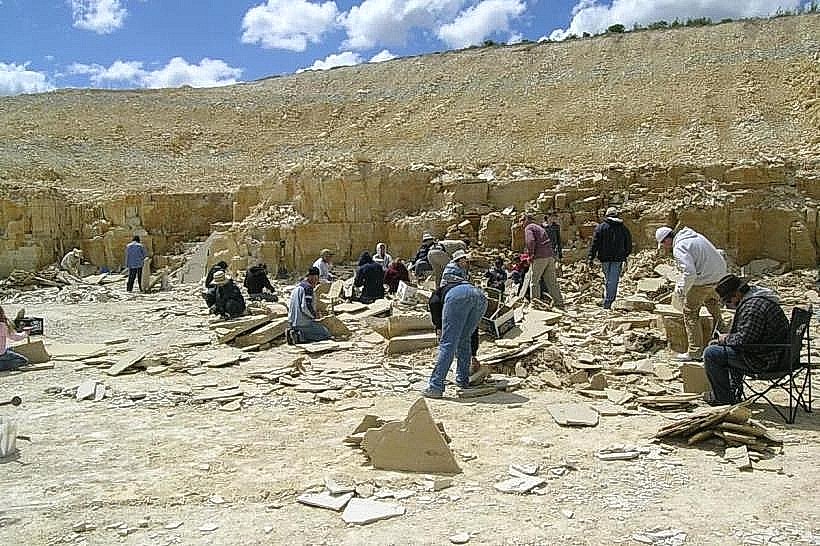
Fossil hunting is the primary activity, with opportunities to find fossilized fish, plants, and invertebrates. Visitors can explore exposed rock layers and search for paleontological specimens. The Hams Fork River offers opportunities for fishing. Hiking is possible along existing game trails and unpaved access roads.
Infrastructure & Amenities
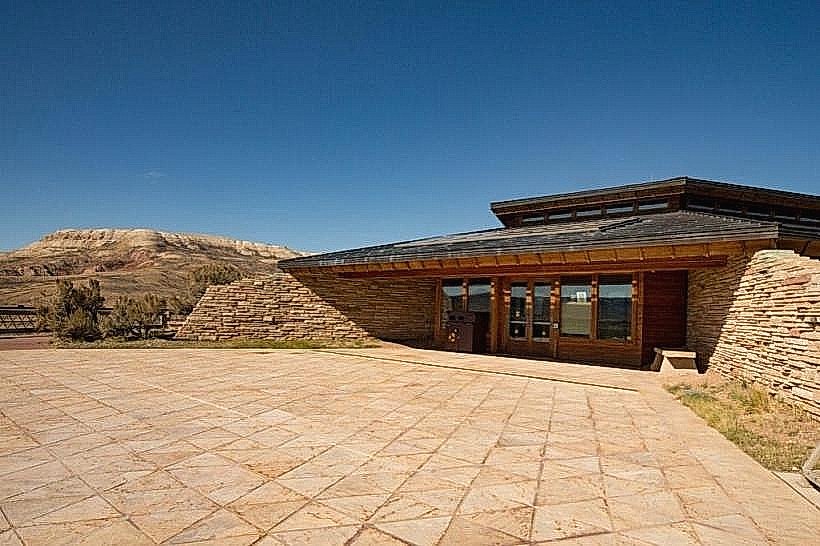
There are no developed facilities within the Hams Fork River Valley. Restrooms, shade structures, and food vendors are not present. Cell phone signal is intermittent to non-existent in most areas of the valley.
Best Time to Visit
The best months for visiting are from June through September, when weather conditions are most favorable, with daytime temperatures typically ranging from 60 to 80 degrees Fahrenheit. Mid-morning to late afternoon provides adequate daylight for exploration. Avoid visiting during periods of heavy rain, which can make unpaved roads impassable.
Facts & Legends
The Hams Fork River Valley is renowned for its exceptionally well-preserved Eocene fish fossils, particularly species like Diplomystus and Knightia, often found in dense layers. A specific tip for visitors is to look for the distinctive ripple marks preserved in the shale, indicating ancient water flow patterns.
Nearby Landmarks
- Fossil Butte National Monument (15km Northwest)
- Kemmerer City Museum (10km West)
- Flaming Gorge National Recreation Area (Approx. 60km South)
- Salt Lake City, Utah (Approx. 240km Southwest)