Landmark: Hartley Nature Center
City: Duluth
Country: USA Minnesota
Continent: North America
Hartley Nature Center, Duluth, USA Minnesota, North America
Hartley Nature Center is an environmental education and recreation facility located in Duluth, Minnesota, USA.
It encompasses a significant portion of natural land dedicated to conservation and public access.
Visual Characteristics
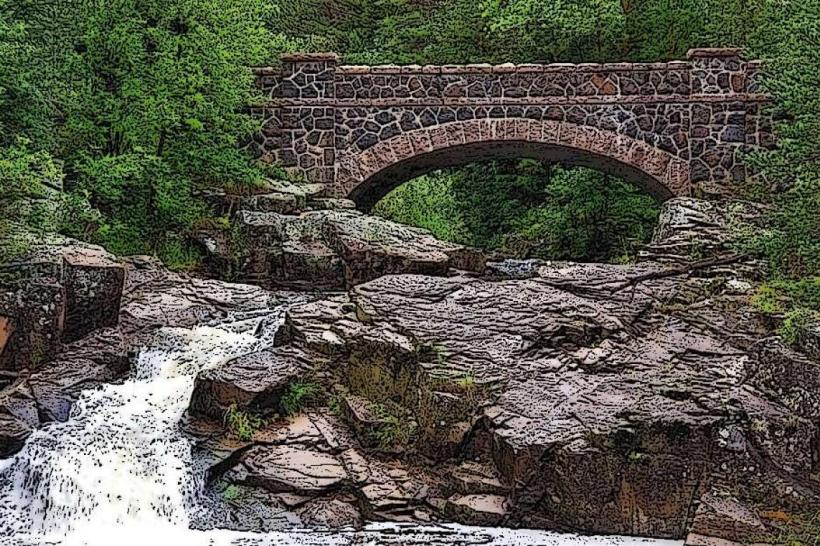
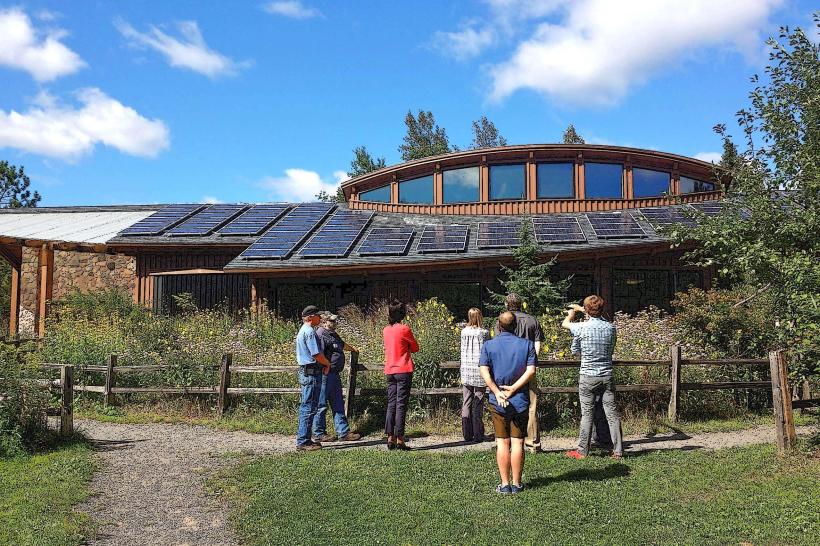
The center's main building is constructed from wood and stone, featuring a low-profile design integrated with the surrounding landscape. The grounds consist of mixed deciduous and coniferous forests, with several small streams and ponds. The terrain is characterized by rolling hills and rocky outcrops.
Location & Access Logistics
Hartley Nature Center is situated approximately 8 kilometers (5 miles) west of downtown Duluth. Access is via Hartley Road, which connects to West Superior Street. Ample free parking is available at the main visitor center. Public transport options are limited; Bus Route 12 stops at the intersection of Hartley Road and West Superior Street, requiring a 1.5 km walk to the center.
Historical & Ecological Origin
The land was originally part of the ancestral territory of the Ojibwe people. In the early 20th century, it was largely undeveloped forestland. The Hartley Nature Center was established in 1965 through a donation by the Hartley family, with the primary purpose of environmental education and preservation of the local ecosystem. The area's geology is shaped by ancient glacial activity, evident in the moraine deposits and stream valleys.
Key Highlights & Activities
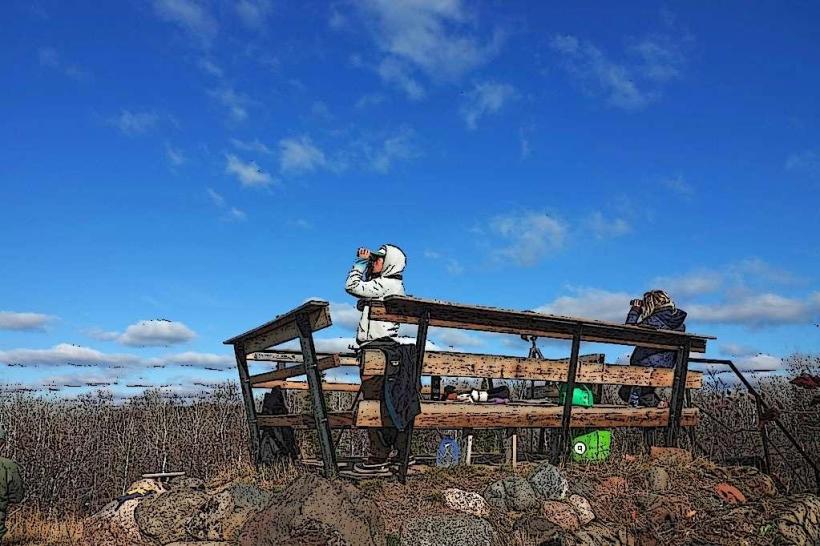
Hiking is permitted on 15 kilometers of marked trails, including the 3 km Woodland Loop and the 5 km Ridge Trail. Birdwatching is a common activity, with designated observation points. Educational programs and workshops are offered seasonally. Kayaking and canoeing are available on Miller Creek during warmer months, subject to water levels.
Infrastructure & Amenities
The main visitor center provides restrooms and limited indoor seating. Several picnic areas with tables are located throughout the property, offering some shade from mature trees. Cell phone signal (4G) is intermittent within the center's buildings and along some trails, but generally absent in deeper wooded areas. No on-site food vendors are present; visitors should bring their own provisions.
Best Time to Visit
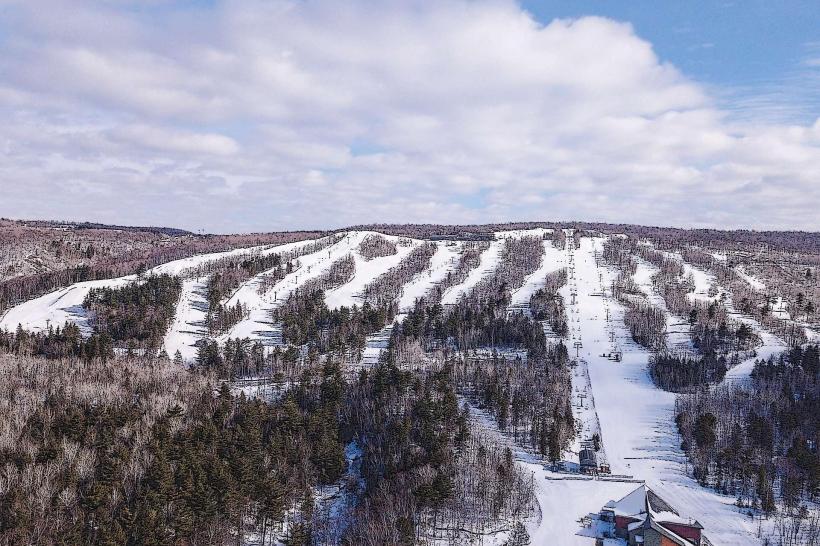
For photography, early morning or late afternoon light provides optimal illumination of the forest canopy. The months of May through October offer the most favorable weather for outdoor activities. Spring (April-May) is ideal for observing migratory birds. Winter months (December-March) are suitable for snowshoeing and cross-country skiing, conditions permitting.
Facts & Legends
A local anecdote suggests that the oldest oak tree on the property, located near the western edge of the property, was used as a landmark by early settlers. The center actively manages invasive species, with ongoing efforts to restore native plant communities.
Nearby Landmarks
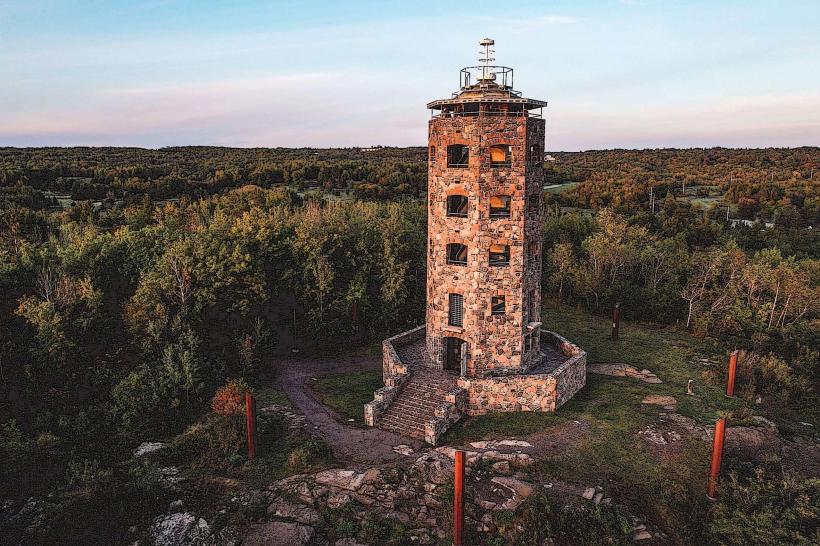
- Enger Park and Tower (2.5km East)
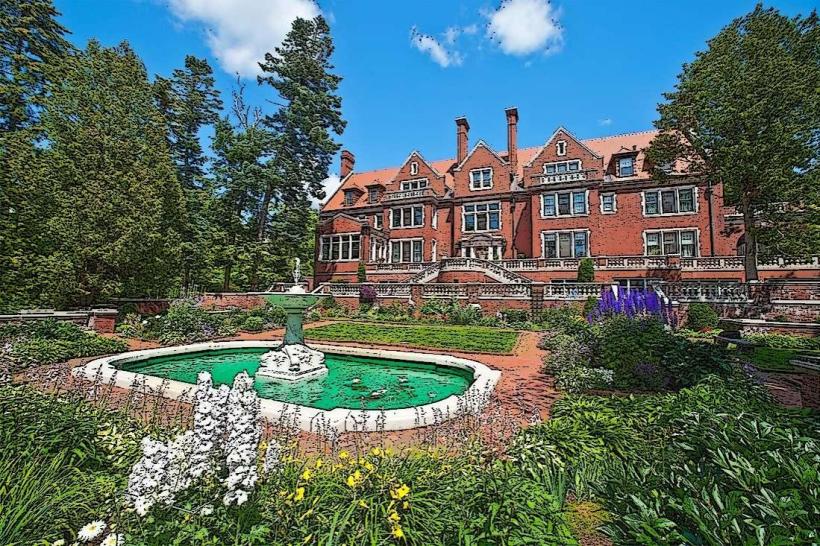
- Glensheen Historic Estate (4.0km East)
- Duluth Traverse Mountain Bike Trails (1.0km West)
- Hawk Ridge Nature Reserve (6.0km Northeast)
- Lake Superior Zoo (3.5km Southeast)