Information
Landmark: Harvard Museum of Natural HistoryCity: Cambridge MA
Country: USA Massachusetts
Continent: North America
Harvard Museum of Natural History, Cambridge MA, USA Massachusetts, North America
The Harvard Museum of Natural History is a research institution and public exhibition space located in Cambridge, Massachusetts, USA.
It houses extensive collections spanning zoology, mineralogy, paleontology, and entomology, serving both academic and public audiences.
Visual Characteristics
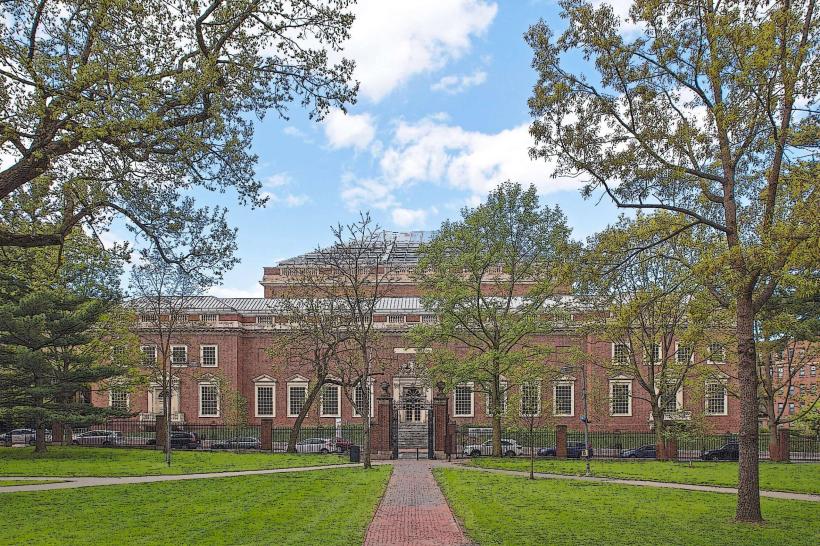
The museum building is constructed primarily of granite and limestone, featuring a Beaux-Arts architectural style. It comprises multiple interconnected wings, with the main exhibition halls characterized by high ceilings, large windows, and classical detailing. The interior spaces are designed for displaying artifacts and specimens, with dedicated galleries for different scientific disciplines.
Location & Access Logistics
The museum is situated at 26 Oxford Street, Cambridge, MA 02138, approximately 1.6 km (1 mile) east of Harvard Square. Access is via Massachusetts Avenue. Parking is available in the adjacent Harvard University parking garages, such as the 5-Story Garage at 10 Everett Street. Public transport options include the MBTA Red Line to Harvard Square station, followed by a 15-minute walk, or bus routes 1, 71, 72, 74, 75, 86, and 96 which stop near the museum on Massachusetts Avenue.
Historical & Ecological Origin
The Harvard Museum of Natural History was established in 1994 through the consolidation of three existing Harvard University museums: the Museum of Comparative Zoology, the Harvard University Herbaria, and the Mineralogical and Geological Museum. The building itself incorporates structures dating back to the late 19th and early 20th centuries, originally housing these separate collections. Its purpose is to advance research in natural history and to educate the public through its exhibits and collections.
Key Highlights & Activities
Visitors can explore the Glass Flowers exhibit, a collection of over 4,000 scientifically accurate glass models of plants. The Hall of Mammals features life-size dioramas of animals from around the world. The museum also offers exhibits on dinosaurs, marine life, minerals, and insects. Educational programs and special exhibitions are regularly scheduled.
Infrastructure & Amenities
Restrooms are available on each floor. Limited seating is provided within exhibition areas. Cell phone signal (4G/5G) is generally available within the building. Food and beverage options are not available on-site, but several cafes and restaurants are located within a 0.5 km radius in Harvard Square.
Best Time to Visit
The museum is generally less crowded on weekday mornings, particularly outside of school holiday periods. For optimal lighting on exhibits, visiting during daylight hours is recommended. There are no tidal or specific seasonal requirements for visiting the museum.
Facts & Legends
The Glass Flowers, created by Leopold and Rudolf Blaschka, are so lifelike that they were once mistaken for real plants by botanists. The collection was commissioned by Harvard botanist George Lincoln Goodale and took over 50 years to complete, with the last piece finished in 1936.
Nearby Landmarks
- Harvard University Campus (0.2km West)
- Harvard Art Museums (0.4km West)
- Peabody Museum of Archaeology and Ethnology (0.1km North)
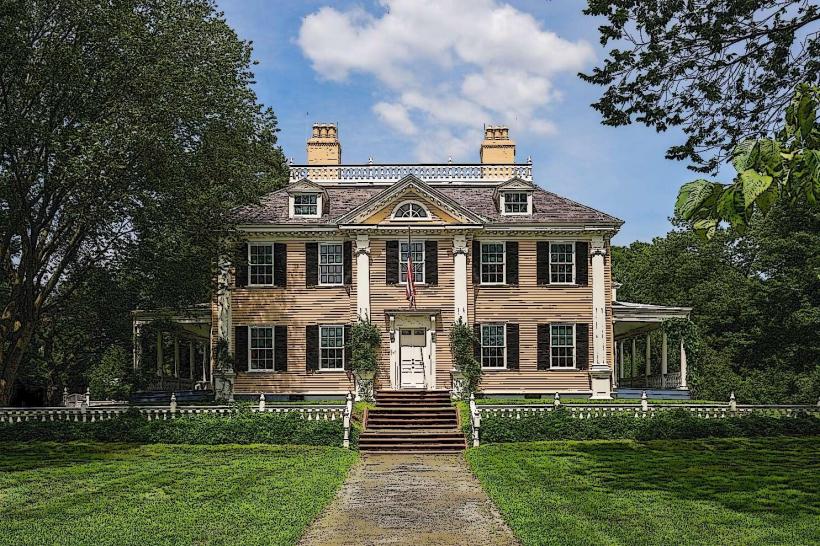
- Longfellow House–Washington's Headquarters National Historic Site (1.2km Southwest)
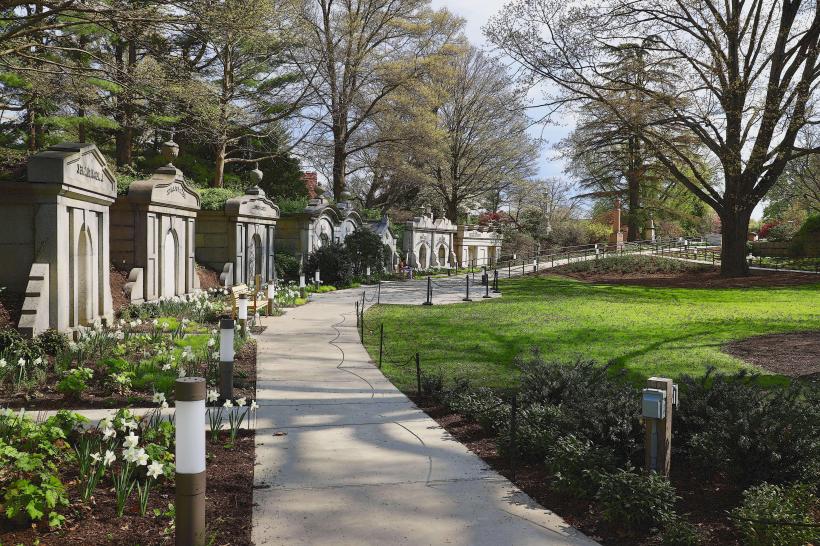
- Mount Auburn Cemetery (2.5km Southeast)