Landmark: Hiroshima Peace Memorial Park
City: Hiroshima
Country: Japan
Continent: Asia
Hiroshima Peace Memorial Park, Hiroshima, Japan, Asia
The Hiroshima Peace Memorial Park is a memorial site located in the Naka Ward of Hiroshima, Japan. It commemorates the atomic bombing of Hiroshima on August 6, 1945.
Visual Characteristics
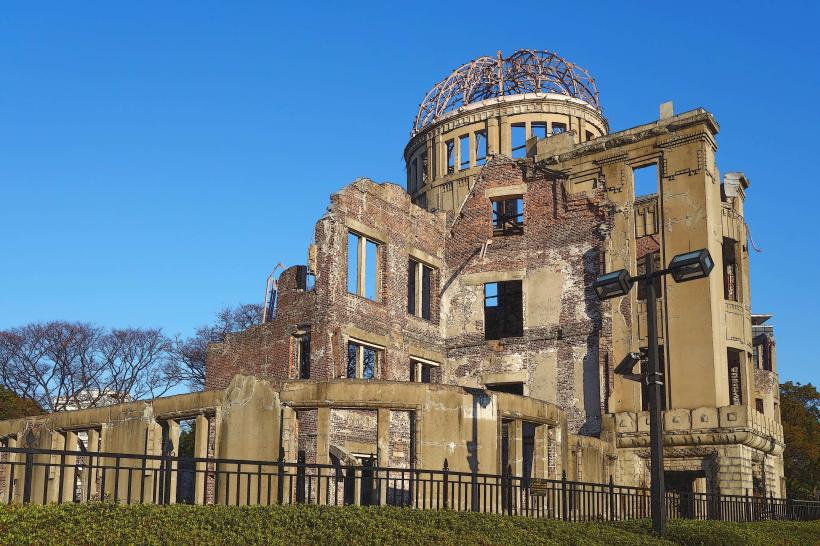
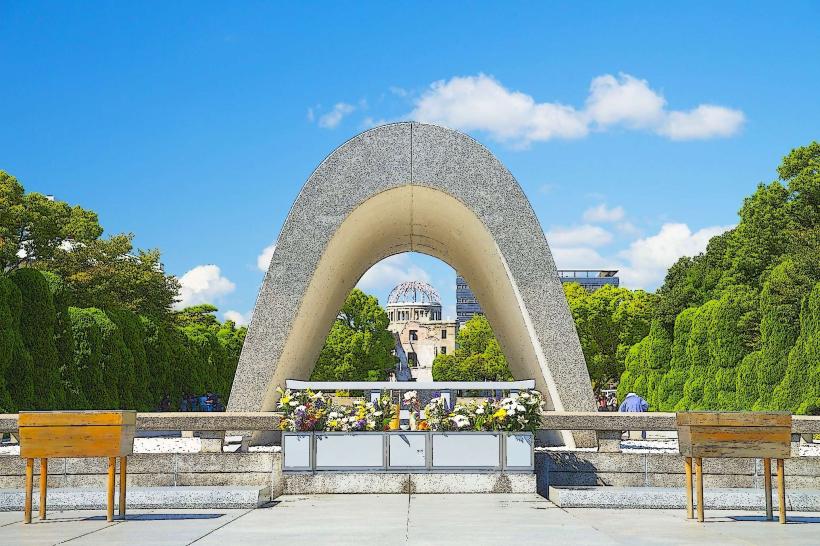
The park covers an area of approximately 122,100 square meters. It features a central cenotaph, the Peace Flame, the Children's Peace Monument, and the skeletal remains of the Hiroshima Prefectural Industrial Promotion Hall (Atomic Bomb Dome). The grounds are primarily composed of paved walkways, grass areas, and water features. The Atomic Bomb Dome is constructed of brick and steel, with its dome structure largely intact but heavily damaged.
Location & Access Logistics
The park is situated in the center of Hiroshima city, approximately 1.5 km east of Hiroshima Station. Access is via public transport. Take the Hiroshima Electric Railway streetcar lines 1, 2, or 6 from Hiroshima Station to the Genbaku Dome-mae (Atomic Bomb Dome) stop. The park is directly accessible from this stop. Limited street parking is available in the vicinity, but dedicated visitor parking is scarce. Several bus routes also serve the area.
Historical & Ecological Origin
The park was established on the hypocenter of the atomic bomb detonation. The Atomic Bomb Dome, originally the Hiroshima Prefectural Industrial Promotion Hall designed by Czech architect Jan Letzel, was completed in 1915. Its purpose was to promote industry and commerce. The park itself was designed by Kenzo Tange and opened in 1954. The site's ecological origin is urban, transformed by a catastrophic event.
Key Highlights & Activities
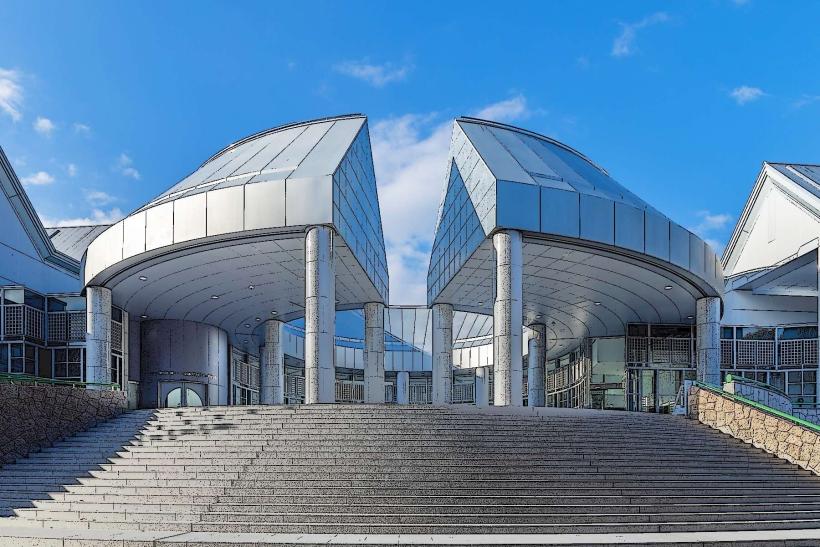
Visitors can observe the Atomic Bomb Dome, a UNESCO World Heritage site. The Peace Memorial Museum offers exhibits detailing the bombing and its aftermath. The Cenotaph for the A-bomb Victims contains the names of all known victims. The Peace Flame has been lit continuously since 1964 and will remain lit until all nuclear weapons are abolished. The Children's Peace Monument is dedicated to the child victims.
Infrastructure & Amenities
Restrooms are available within the Peace Memorial Museum and at various points throughout the park. Shaded areas are provided by trees and some covered structures. Cell phone signal (4G/5G) is generally available within the park. Food vendors are not typically located within the park itself, but numerous restaurants and convenience stores are situated in the surrounding urban area.
Best Time to Visit
The park is accessible year-round. For optimal lighting on the Atomic Bomb Dome and for photography, early morning or late afternoon hours are recommended. The months of April, May, October, and November generally offer pleasant weather conditions with lower humidity and moderate temperatures. There are no tide-dependent activities.
Facts & Legends
A unique aspect of the park is the Peace Flame, which was lit on August 1, 1964, and is intended to burn until all nuclear weapons on Earth are destroyed. The park's design incorporates a symbolic representation of the hypocenter as the central point of the cenotaph.
Nearby Landmarks
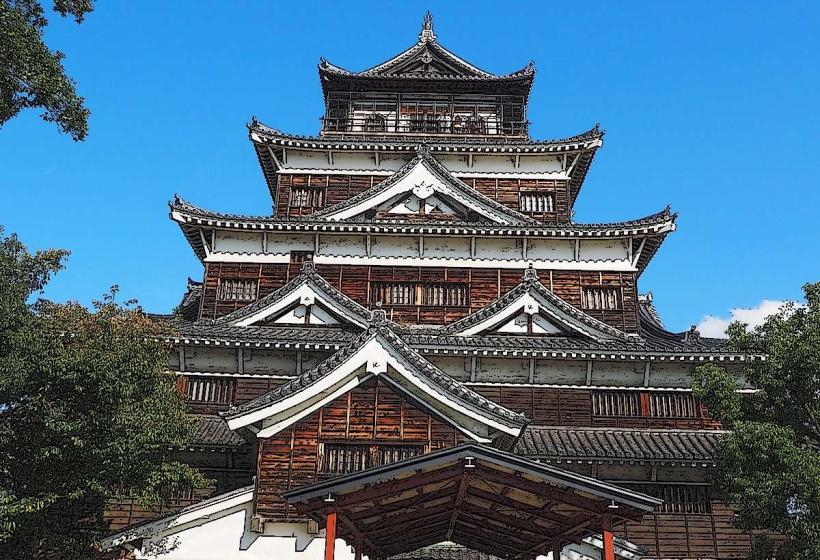
- Hiroshima Castle (1.2km North)
- Shukkei-en Garden (1.8km Northeast)
- Hiroshima Museum of Art (0.8km Southeast)
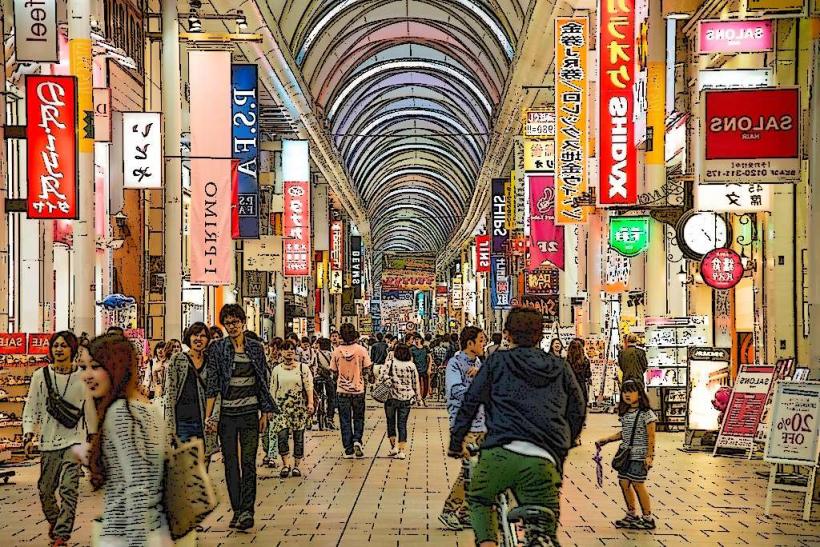
- Hondori Shopping Arcade (1.0km Southeast)