Landmark: Historical Farmhouses
City: Planken
Country: Liechtenstein
Continent: Europe
Historical Farmhouses, Planken, Liechtenstein, Europe
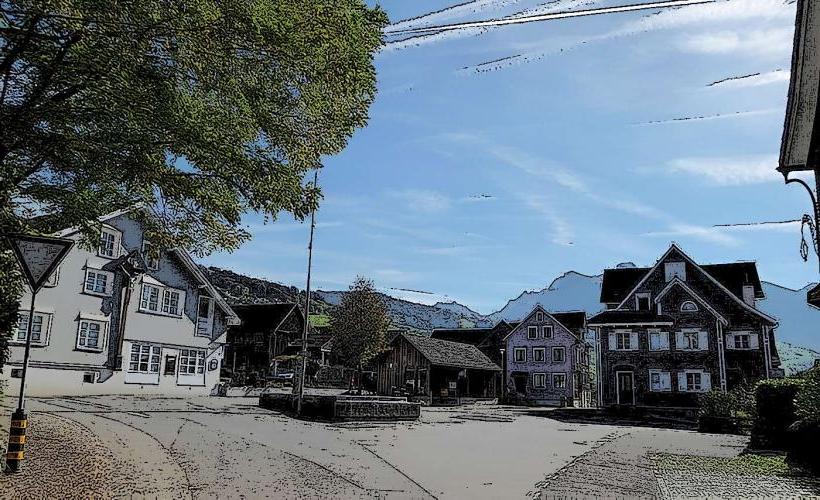
The Historical Farmhouses in Planken represent traditional rural architecture found within the municipality of Planken, Liechtenstein. These structures are preserved examples of agricultural dwellings from past centuries.
Visual Characteristics
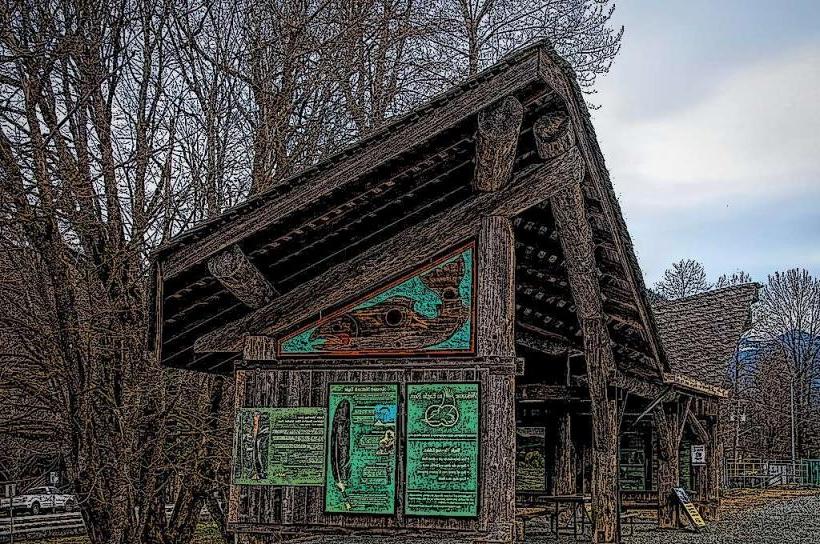
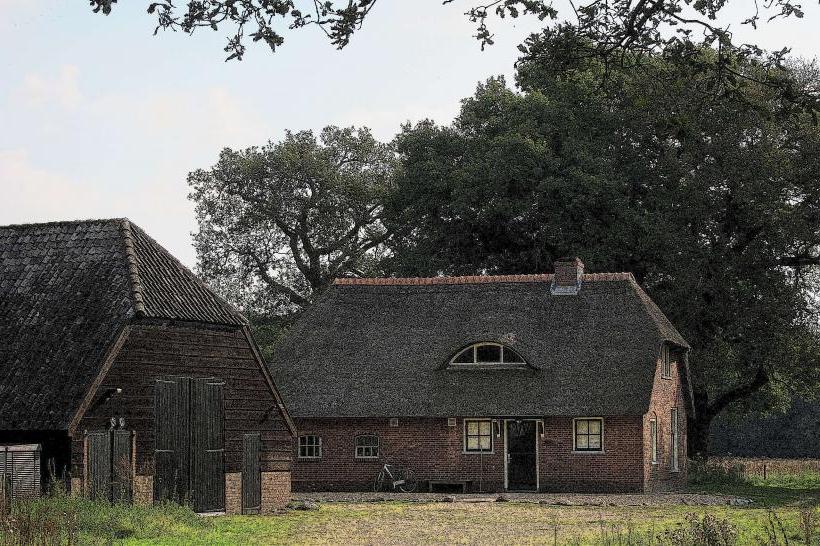
These farmhouses typically feature a construction of timber, often larch or spruce, with stone foundations. Roofs are commonly gabled and covered with wooden shingles or, in some cases, slate. Exterior walls are unpainted wood, weathering to a dark brown or grey, sometimes with white plaster sections. Windows are generally small and rectangular. The structures often integrate living quarters with stables under one roof, characteristic of Alpine farm architecture.
Location & Access Logistics
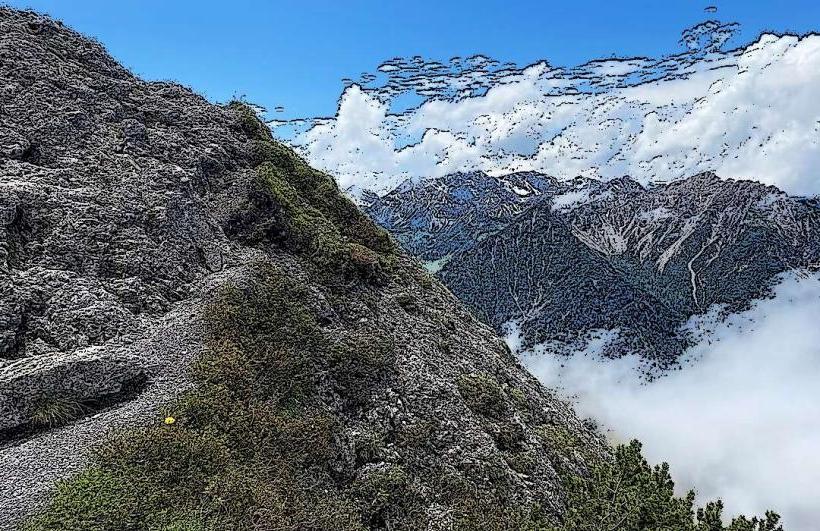
The farmhouses are dispersed throughout the village of Planken, which is situated on the eastern slopes of the Rätikon mountain range. Access is primarily via the Plankenstrasse, a local road connecting to the main road network from Schaan. Planken is approximately 4 kilometers northeast of Schaan and 7 kilometers north of Vaduz. Limited public parking is available within the village center. The LIEmobil bus line 26 serves Planken, with several stops throughout the village providing access to various farmhouse locations.
Historical & Ecological Origin
The existing historical farmhouses in Planken date primarily from the 17th to 19th centuries. They were constructed by local farmers and craftsmen using readily available materials. Their original purpose was to serve as self-sufficient agricultural units, housing families, livestock, and storing hay and equipment, reflecting the traditional agrarian lifestyle of the region.
Key Highlights & Activities
Visitors can observe the distinct architectural styles of the preserved farmhouses by walking through the village. Photography of the traditional timber and stone constructions is a common activity. Some farmhouses are privately owned, while others may be part of local heritage trails, offering interpretive signage about their history and function.
Infrastructure & Amenities
As the farmhouses are integrated into a living village, amenities are available in the central area of Planken. Public restrooms are located near the municipal building. Shade is provided by surrounding trees and the buildings themselves. Cell phone signal (4G/5G) is generally reliable throughout the village. A local restaurant or guesthouse in Planken offers food and beverages.
Best Time to Visit
The best time to visit is during the late spring to early autumn months (May to October) when the weather is mild and conducive for walking. For photography, early morning or late afternoon light provides softer illumination, highlighting the textures of the wooden facades. Winter visits offer a different perspective with snow-covered landscapes, though access might be more challenging.
Facts & Legends
Many of Planken's historical farmhouses feature a "Strickbau" construction, a traditional Alpine log building technique where horizontal timbers are interlocked at the corners without nails. This method allowed for flexible expansion and adaptation over generations. A local anecdote suggests that the orientation of some older farmhouses was deliberately chosen to protect against specific prevailing winds, a testament to practical, centuries-old building wisdom.
Nearby Landmarks
- St. Josef's Chapel (Planken) - 0.3km South
- Gaflei (Hiking area) - 3km East
- Schaan (Town center with various services) - 4km Southwest
- Ruggeller Riet Nature Reserve - 8km North
- Vaduz Castle - 7km South