Landmark: Hofje van Bakenes
City: Haarlem
Country: Netherlands
Continent: Europe
Hofje van Bakenes, Haarlem, Netherlands, Europe
Hofje van Bakenes (also known as the Bakenessertuin) is the oldest surviving almshouse in the Netherlands, located in the center of Haarlem. Established in 1395, it remains a residential complex providing housing for elderly single women.
Visual Characteristics
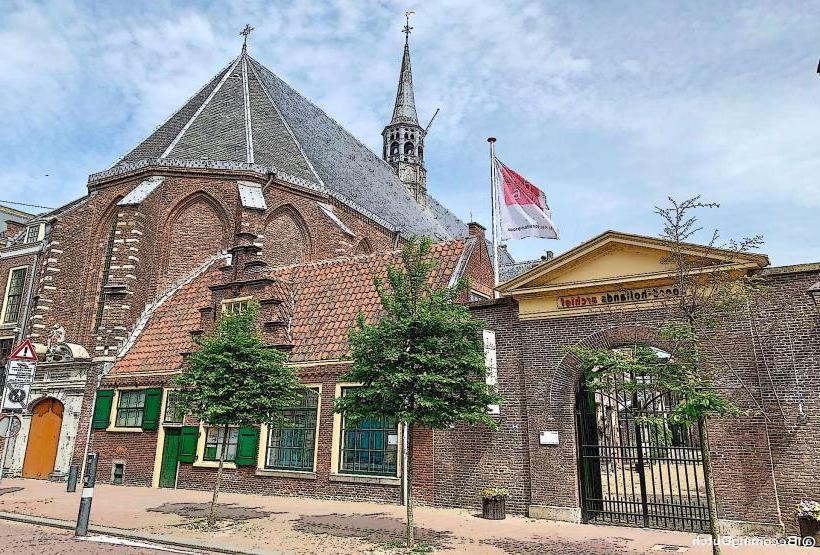
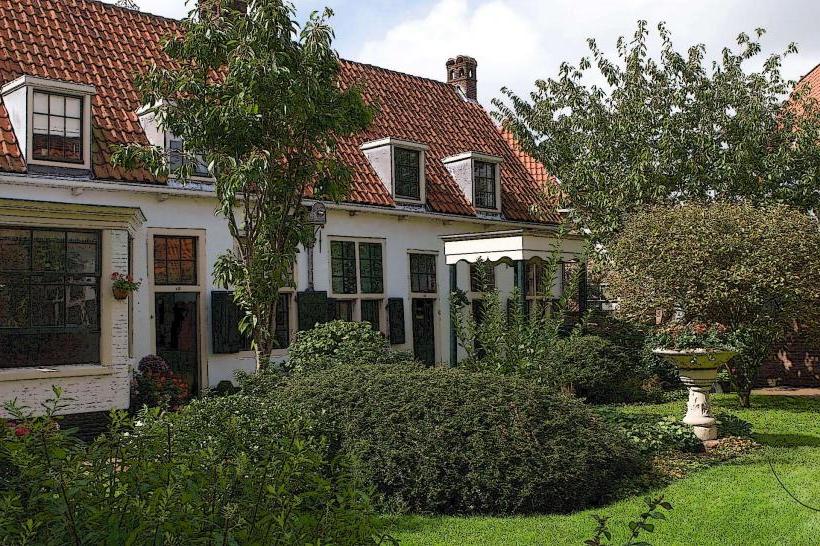
The hofje consists of small white-plastered cottages arranged around a central rectangular courtyard garden. The architecture is characterized by red-tiled roofs, green-painted doors, and traditional Dutch sash windows. Access is gained through two discrete gated portals: one on Bakenessergracht and another on Wijde Appelaarsteeg. The courtyard is landscaped with manicured grass, flower beds, and mature shrubs, maintaining a silent, secluded atmosphere.
Location & Access Logistics
The site is located at Bakenessergracht 66, approximately 0.6km southeast of Haarlem Central Station. It is a 5-minute walk from the Grote Markt. While the courtyard is open to the public during daylight hours (typically Monday–Saturday, 10:00–17:00), strict silence is required to respect the privacy of the residents. Vehicle parking is prohibited in the narrow streets adjacent to the entrance; the nearest facility is the Appelaar garage (0.2km South).
Historical & Ecological Origin
Founded by Dirck van Bakenes in 1395, the hofje was intended to provide shelter for 20 "pious" poor women. The current buildings primarily date from the 17th-century reconstruction, with further renovations in the 19th and 20th centuries. It is built on the stable sand foundations of the oldest part of Haarlem, near the Bakenesserkerk.
Key Highlights & Activities
The main activity is the observation of the historic "hofje" architecture and the communal garden. Above the entrance on Wijde Appelaarsteeg, a 17th-century stone tablet features a rhyming inscription in Dutch regarding the age and purpose of the foundation. The site is a key stop on the "Haarlemse Hofjes" walking route.
Infrastructure & Amenities
There are no public restrooms, cafes, or shops within the hofje, as it remains a private residential area. 5G signal is stable in the courtyard. Accessibility is limited; the entrance gates are narrow, and the cobblestone paths within the courtyard can be uneven for wheelchairs or strollers.
Best Time to Visit
Mid-morning on weekdays is the optimal time for a quiet visit. The garden is most visually significant during late spring (May) when the flowers are in bloom. The site is closed to the public on Sundays.
Facts & Legends
A local verified fact is that the age of the foundation (1395) predates the current buildings by several centuries. A specific rule inscribed at the entrance historically stated that the women lived there "for God's sake," meaning they paid no rent but were expected to live according to strict moral codes.
Nearby Landmarks
Bakenesserkerk (0.1km West)
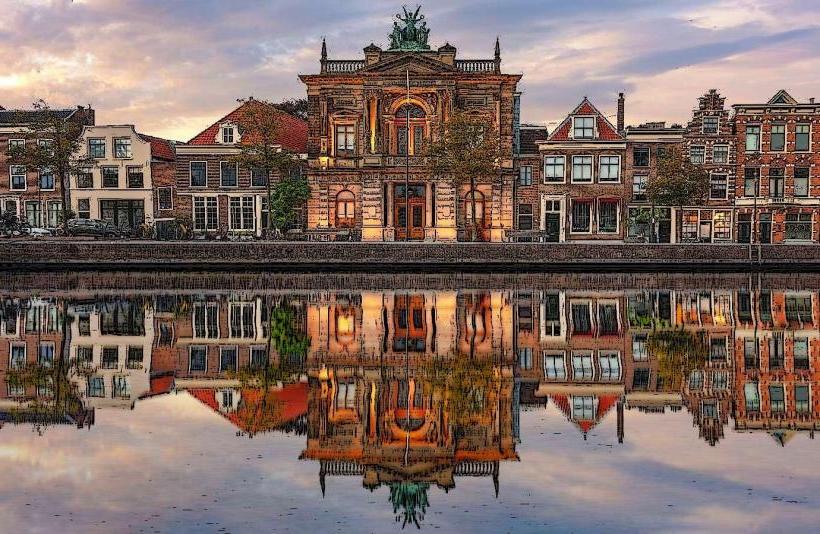
Teylers Museum (0.2km South)
Grote Markt (0.4km West)
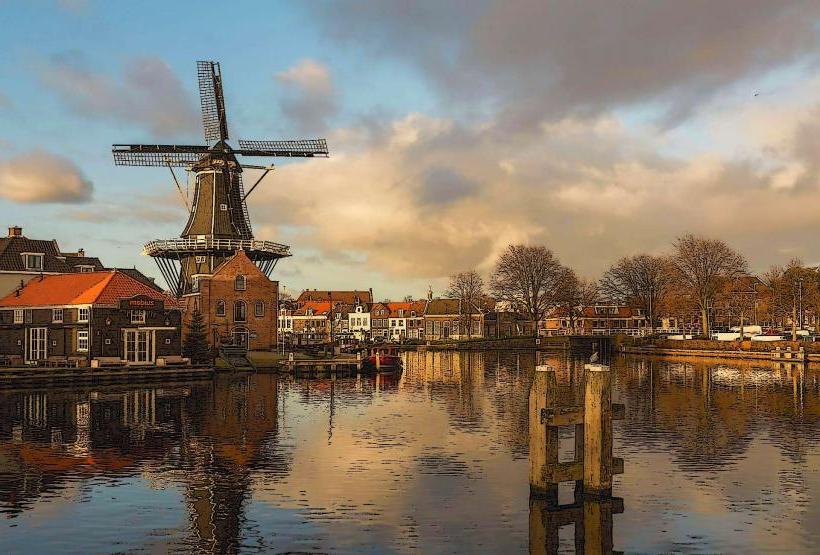
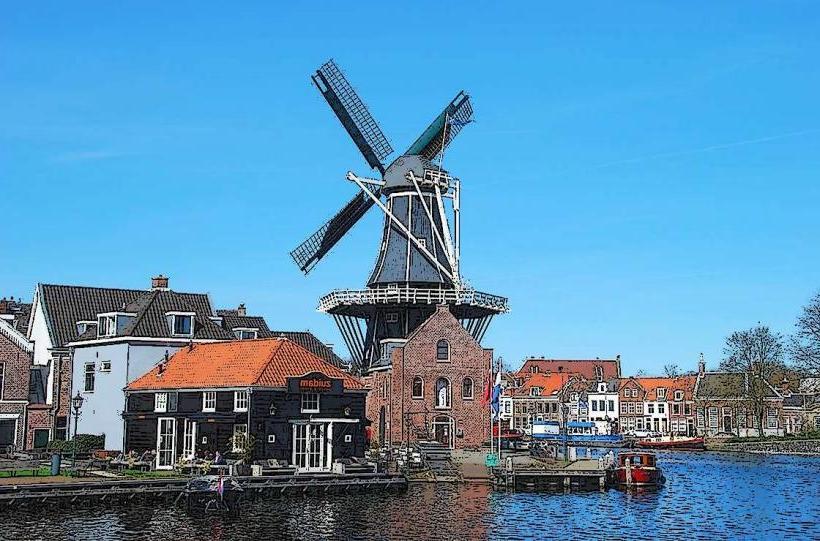
Molen De Adriaan (0.3km North)