Landmark: Iona National Park
City: Namibe
Country: Angola
Continent: Africa
Iona National Park, Namibe, Angola, Africa
Iona National Park is a protected area located in the Namibe Province of southwestern Angola. It is the largest national park in Angola.
Visual Characteristics
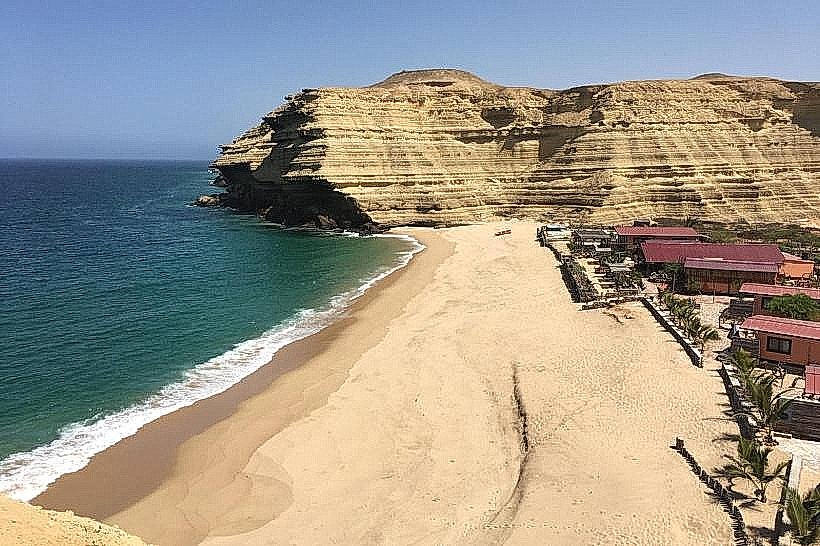
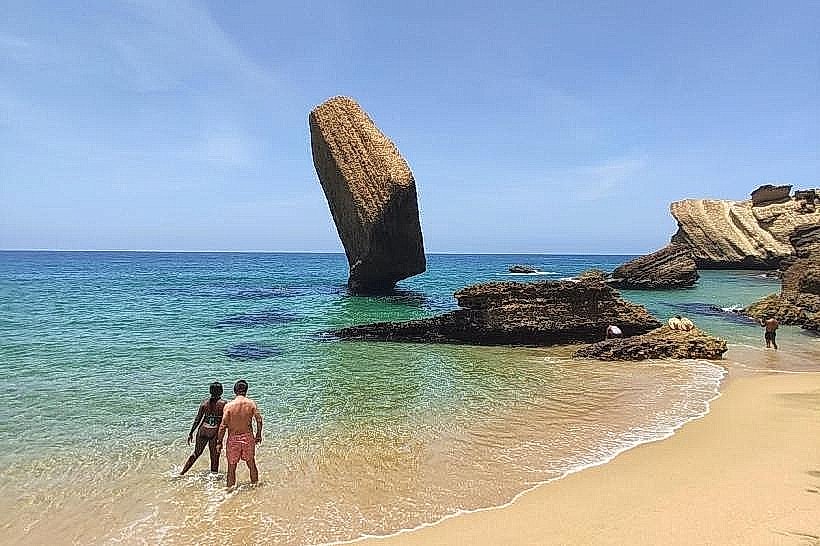
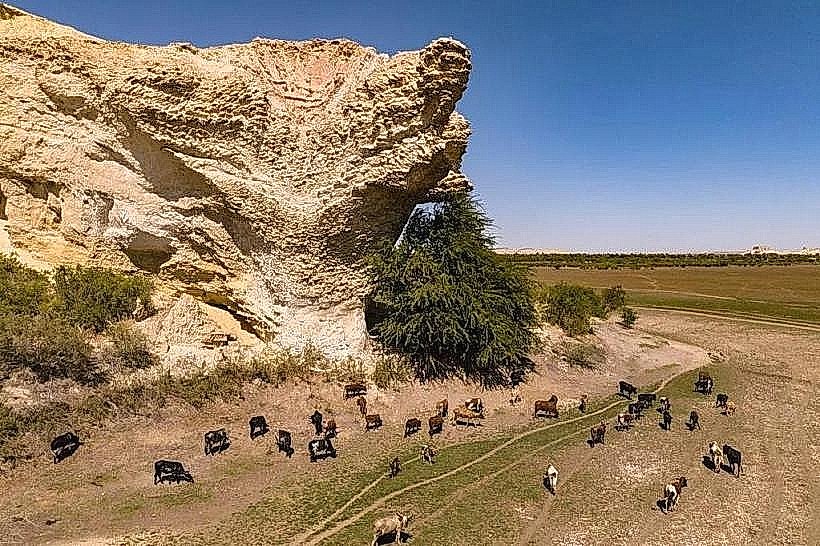
The park's landscape is characterized by arid desert plains, rocky outcrops, and coastal dunes. Vegetation is sparse, consisting primarily of drought-resistant shrubs and grasses. The terrain transitions to more rugged mountains in the interior. The coastline features sandy beaches and cliffs.
Location & Access Logistics
Iona National Park is situated approximately 200 kilometers west of the city of Namibe. Access is primarily via unpaved roads from Namibe, requiring a 4x4 vehicle. The main access route is the EN100 highway, turning off towards Tombua and then inland. There is no public transport directly serving the park. Parking is available at designated points within the park, though it is largely undeveloped.
Historical & Ecological Origin
Iona National Park was established in 1964 as a wildlife reserve. Its ecological origin is primarily arid desert and semi-desert, influenced by the Benguela Current, which creates a fog-dependent ecosystem along the coast. The park protects a unique biome adapted to extreme aridity.
Key Highlights & Activities
Activities include wildlife viewing, focusing on species adapted to desert conditions such as desert elephants, lions, and various antelope species. Birdwatching is also a significant activity. Hiking is possible on designated trails, and photography opportunities exist, particularly at sunrise and sunset.
Infrastructure & Amenities
Infrastructure within the park is minimal. There are no permanent restrooms or shade structures outside of the park headquarters or any potential ranger outposts. Cell phone signal is generally absent within the park. Food vendors are not present within the park; visitors must carry their own supplies.
Best Time to Visit
The best time to visit for wildlife viewing is during the dry season, from May to October, when animals congregate around water sources. The cooler months of June to August offer more comfortable temperatures for exploration. The coastal fog can be prevalent in the mornings and evenings, impacting visibility but also supporting unique flora.
Facts & Legends
A notable geological feature is the "Pedra Grande" (Big Rock), a large granite inselberg that serves as a landmark. Local folklore speaks of ancient spirits inhabiting the rock formations, though these are unverified narratives.
Nearby Landmarks
- Tombua (approx. 50km West)
- Namibe City (approx. 200km East)
- Cunene River Delta (approx. 150km South-East)
- Foz do Cunene (approx. 160km South-East)