Landmark: Namibe Desert
City: Namibe
Country: Angola
Continent: Africa
Namibe Desert, Namibe, Angola, Africa
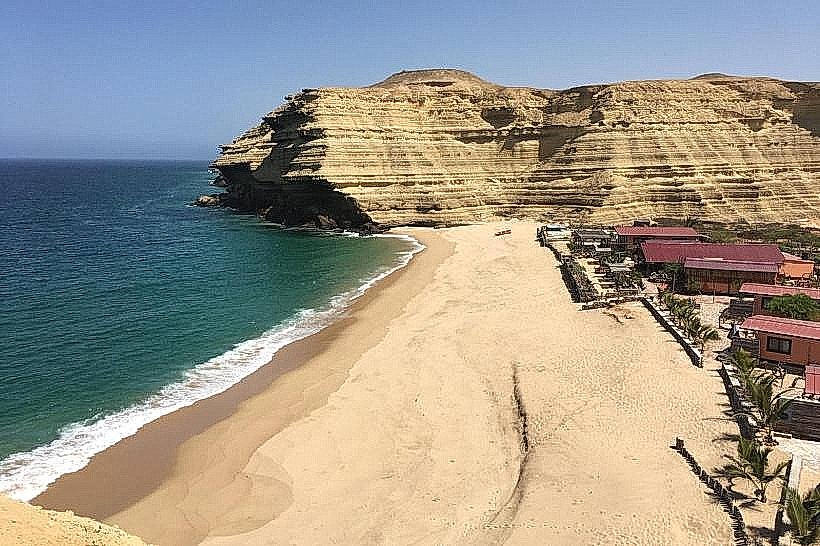
The Namibe Desert is a coastal desert located in the southwestern region of Angola, bordering the Atlantic Ocean.
Visual Characteristics
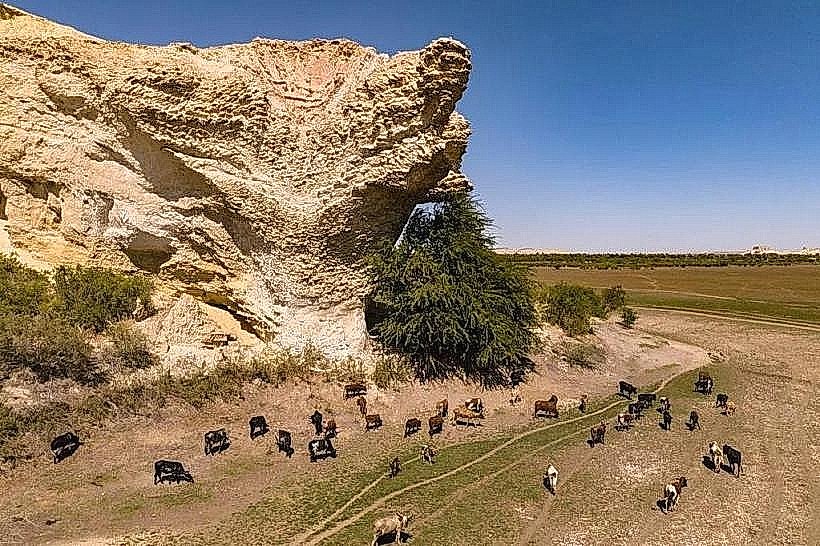
The desert landscape is characterized by vast expanses of sand dunes, some reaching heights of over 100 meters. The sand color varies from pale yellow to reddish-brown depending on mineral content. Sparse, drought-resistant vegetation, including Welwitschia mirabilis plants, is present in certain areas. Rock formations and gravel plains are also common.
Location & Access Logistics
The Namibe Desert is situated south of the city of Namibe. Access is primarily via the EN100 highway, which runs along the coast. The nearest major city is Namibe, approximately 30 kilometers north. Unpaved tracks lead into the desert interior from the highway. Vehicle access requires a 4x4 vehicle due to soft sand and uneven terrain. Parking is not designated; vehicles are typically parked on firmer ground away from active dune areas. No public transport services operate within the desert itself.
Historical & Ecological Origin
The Namibe Desert is classified as a fog desert, receiving moisture from the cold Benguela Current offshore. Its arid conditions are a result of atmospheric circulation patterns and the rain shadow effect of the Serra da Chela mountains to the east. The desert is part of the larger Namib Desert ecosystem, one of the oldest deserts in the world, with geological formations dating back millions of years.
Key Highlights & Activities
Observation of unique desert flora, particularly Welwitschia mirabilis. Dune driving is possible for experienced drivers with appropriate vehicles. Photography of the desert landscape and coastal fog incursions. Birdwatching along the coastal fringes where fog supports some life.
Infrastructure & Amenities
There are no permanent infrastructure or amenities within the Namibe Desert. Restrooms, shade, and food vendors are not available. Cell phone signal is unreliable and generally absent in the interior.
Best Time to Visit
The best time for visiting is during the cooler months, from May to September, when temperatures are more moderate. Early morning or late afternoon provides optimal lighting for photography due to the low angle of the sun. Coastal fog is most prevalent during the winter months (June-August), often obscuring the landscape in the morning.
Facts & Legends
The Welwitschia mirabilis, a plant found in the Namibe Desert, is known for its extreme longevity, with some specimens estimated to be over 1,000 years old. It has only two leaves that grow continuously throughout its life. Local folklore sometimes attributes the shifting dunes to ancient spirits.
Nearby Landmarks
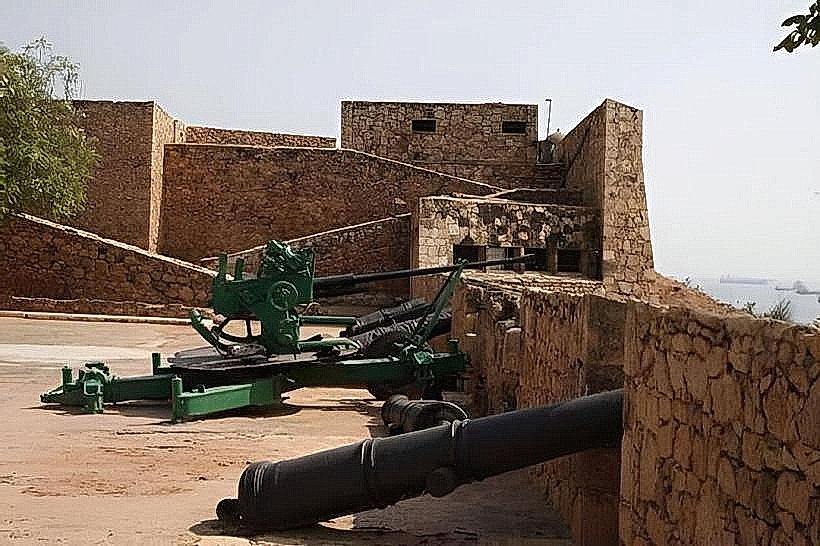
- Forte da São Fernando (15km North)
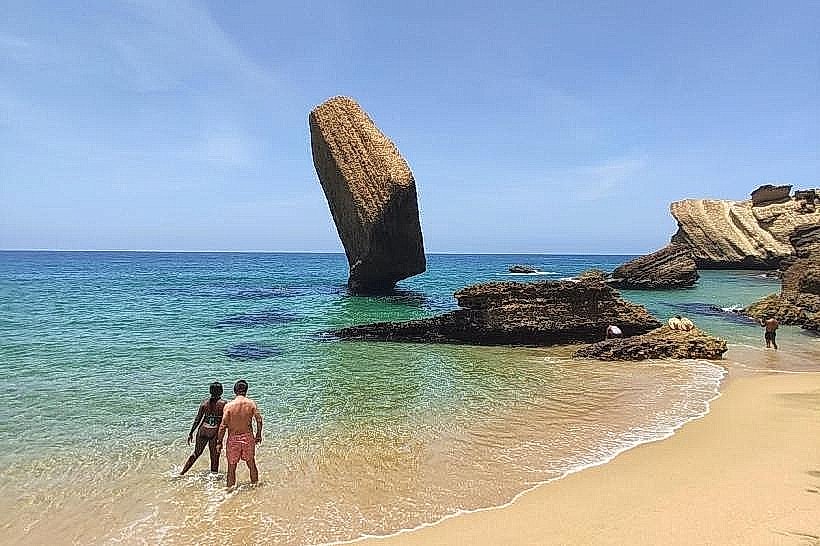
- Praia da Baía dos Tigres (25km South)
- Serra da Chela (40km East)
- Namibe City Center (30km North)