Landmark: Jeju Stone Park
City: Jeju Island
Country: South Korea
Continent: Asia
Jeju Stone Park, Jeju Island, South Korea, Asia
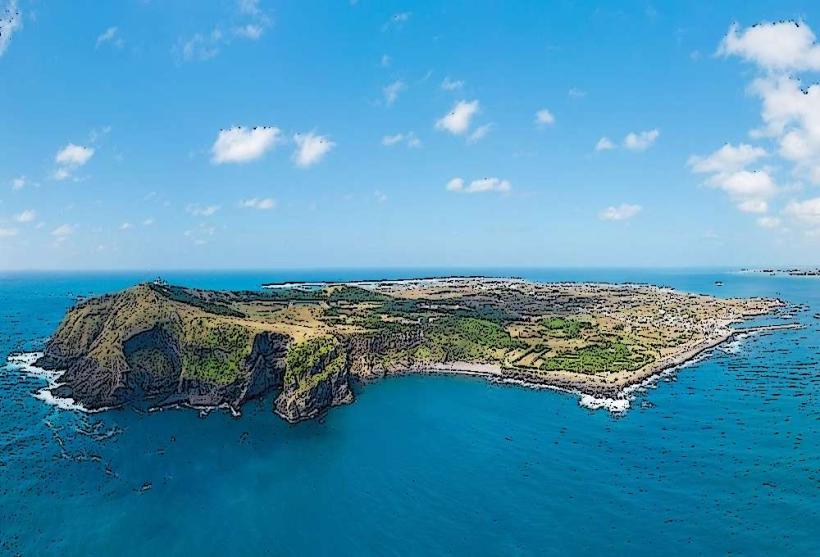
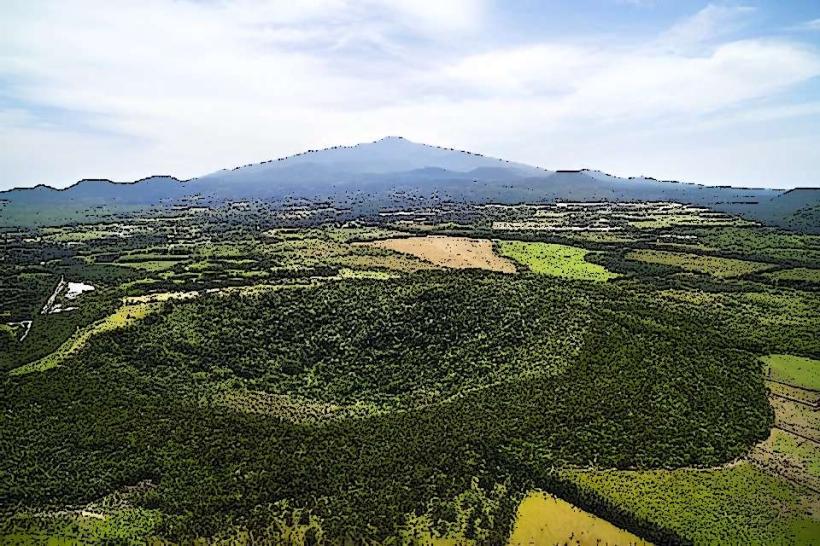
Jeju Stone Park is a cultural and ecological park located on Jeju Island, South Korea. It showcases the island's unique volcanic geology and traditional stone culture.
Visual Characteristics
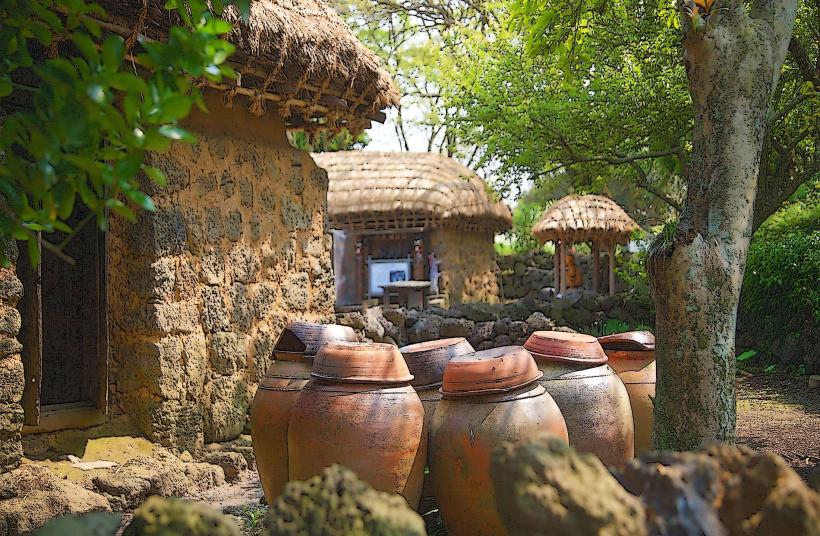
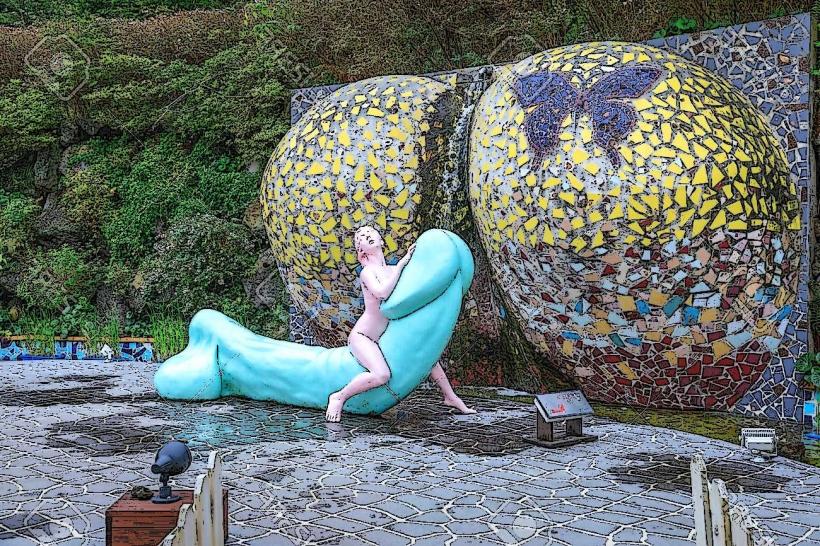
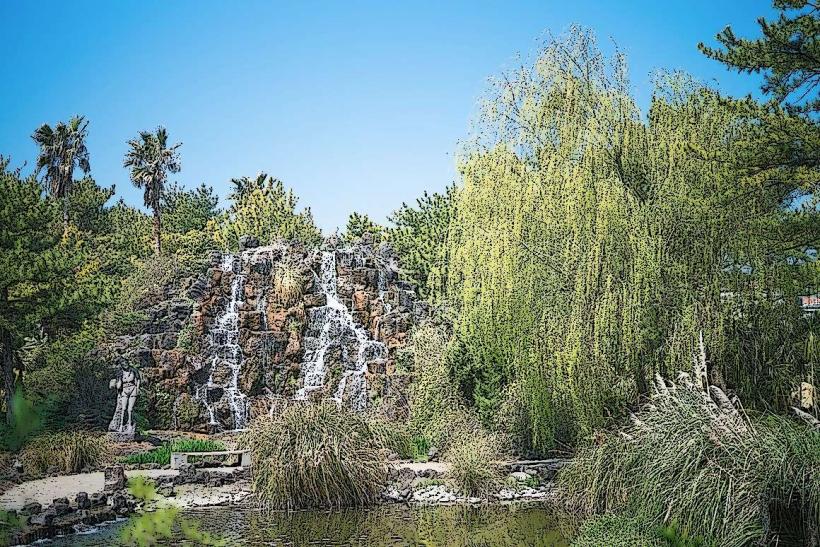
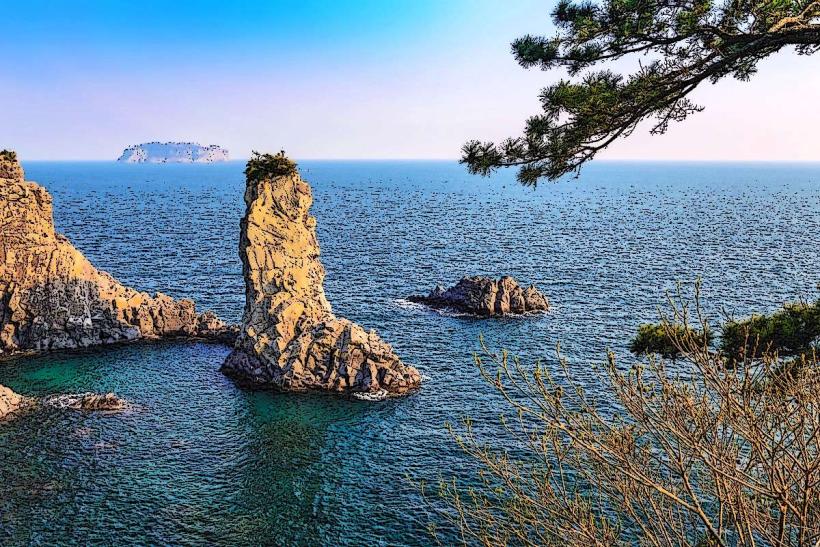
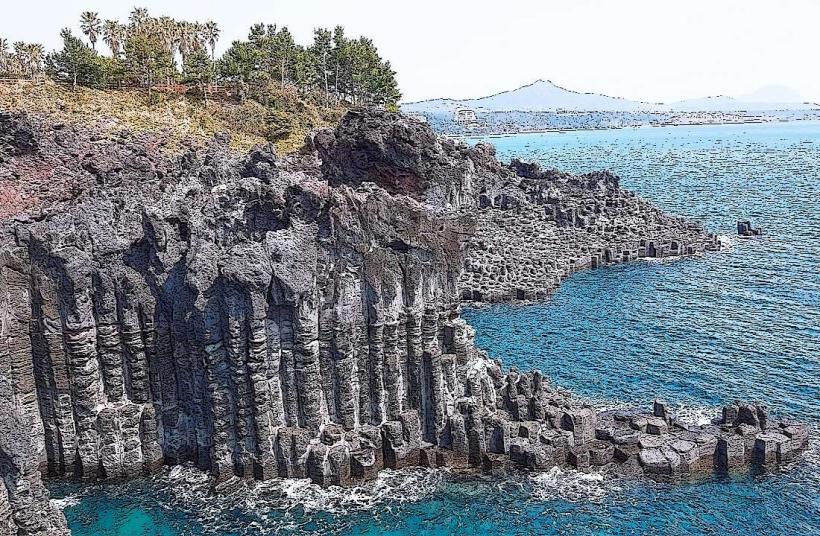
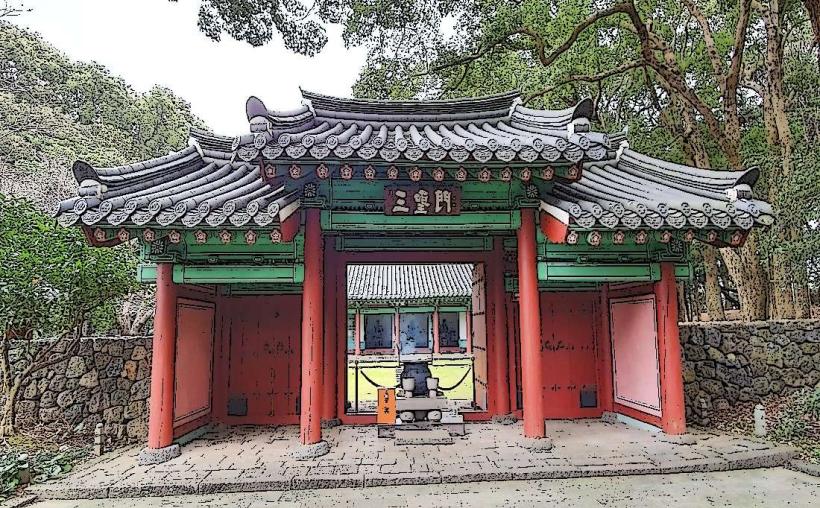
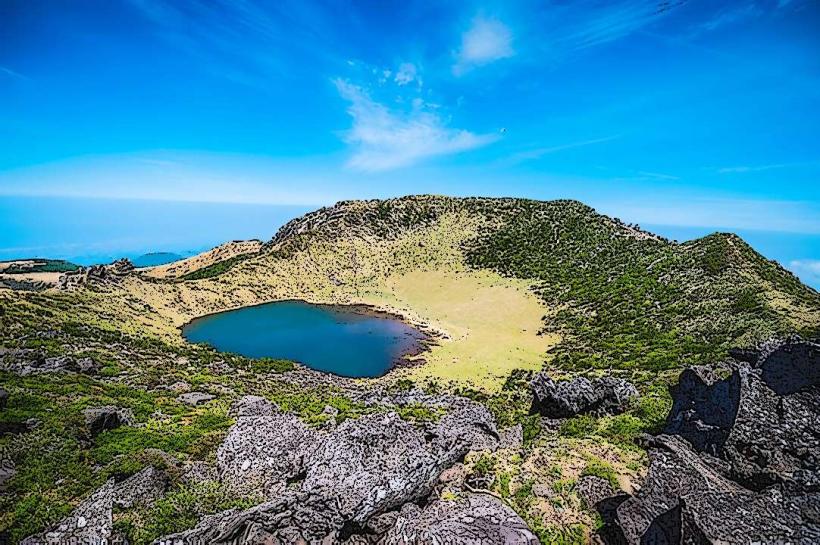
The park features numerous basalt rock formations, varying in size and shape, often arranged in deliberate patterns. Natural vegetation, including various grasses and shrubs native to Jeju, is integrated throughout the landscape. Several man-made structures, such as stone walls and small pavilions, are constructed using local volcanic rock, exhibiting a rough, dark grey texture.
Location & Access Logistics
Jeju Stone Park is situated approximately 25 kilometers east of Jeju City. Access is primarily via private vehicle, with parking available on-site. The park is accessible from National Road 1112. Public transport options are limited; the nearest bus stop is a significant walk from the park entrance, making a taxi or rental car the most practical means of arrival.
Historical & Ecological Origin
The park's geological origin stems from Jeju Island's volcanic activity, with the rock formations being primarily basalt. The cultural aspect is rooted in the island's historical reliance on volcanic stone for construction and tools. The park was developed to preserve and exhibit these elements, opening in 2006.
Key Highlights & Activities
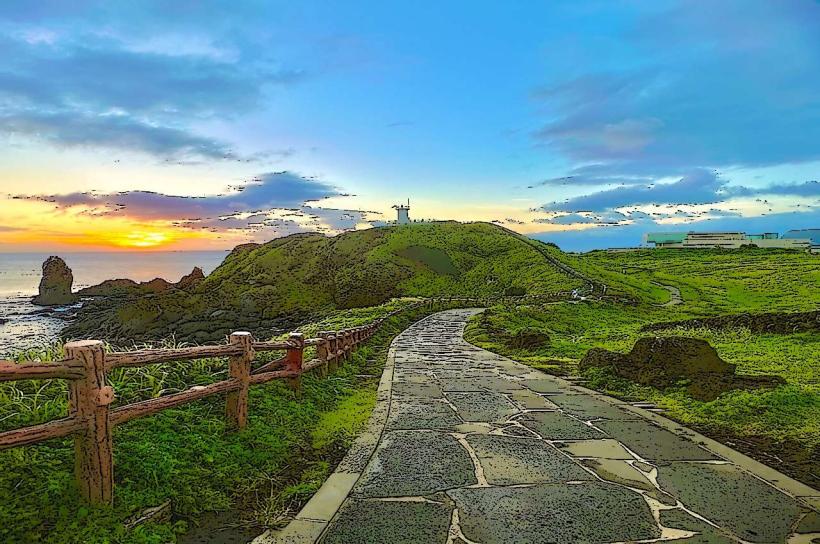
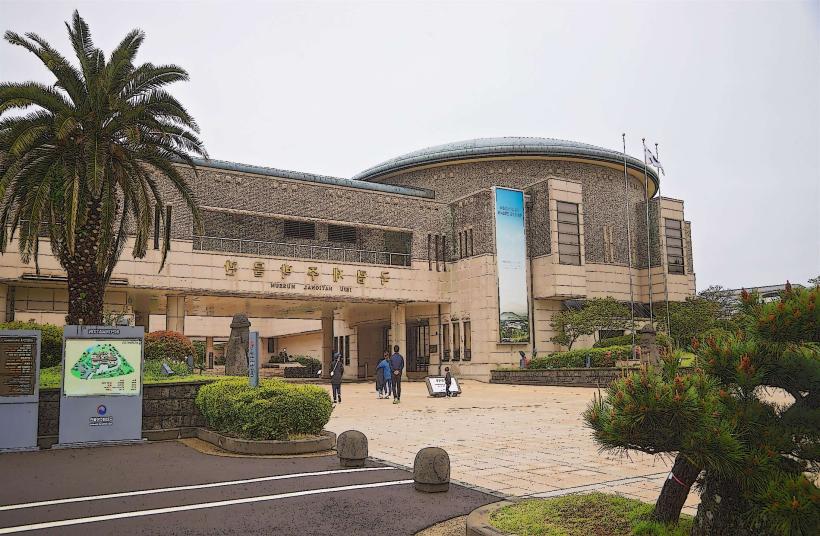
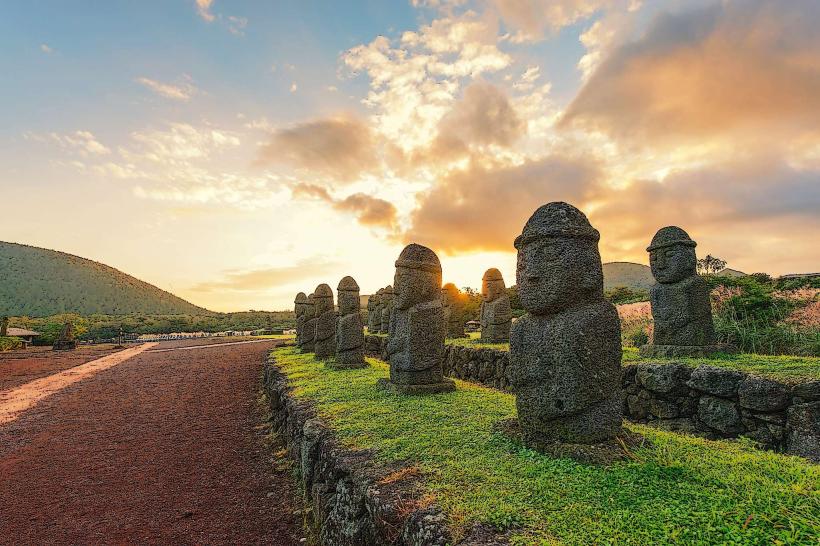
Visitors can walk designated trails through the park, observing the diverse stone sculptures and natural formations. Specific areas include the Dol Hareubang (stone grandfather) exhibition, the Stone Culture Exhibition Hall, and the shamanic ritual sites. Photography of the rock formations and landscape is a common activity.
Infrastructure & Amenities
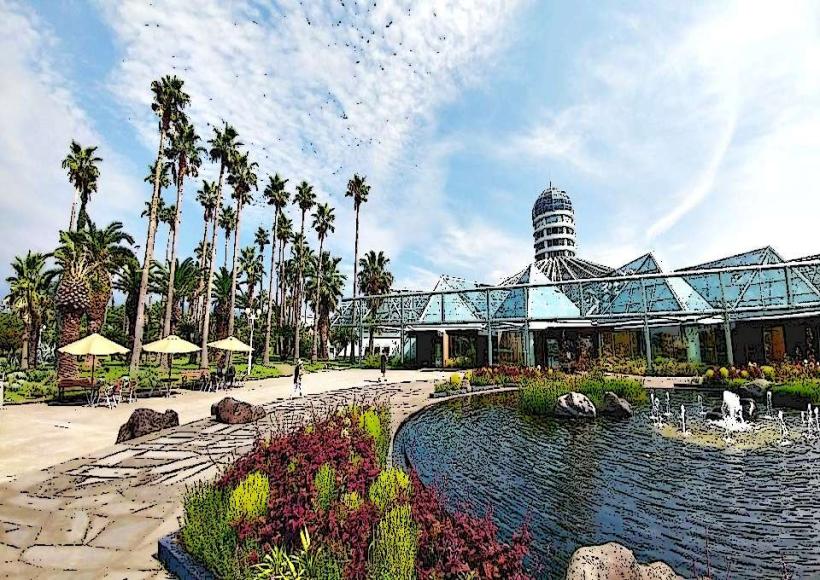
Restrooms are available within the park facilities. Limited shaded areas are provided by natural tree cover and small shelters. Cell phone signal (4G/5G) is generally available. Food vendors are not present within the park itself, but cafes and restaurants are located in the vicinity outside the park boundaries.
Best Time to Visit
For optimal lighting for photography, early morning or late afternoon provides softer shadows. The months of April to June and September to October offer pleasant weather conditions with moderate temperatures. There are no tide-dependent activities within the park.
Facts & Legends
A significant feature is the collection of Dol Hareubang, traditional stone statues believed to offer protection and fertility. Local folklore suggests these statues were carved from the island's volcanic rock and imbued with protective spirits.
Nearby Landmarks
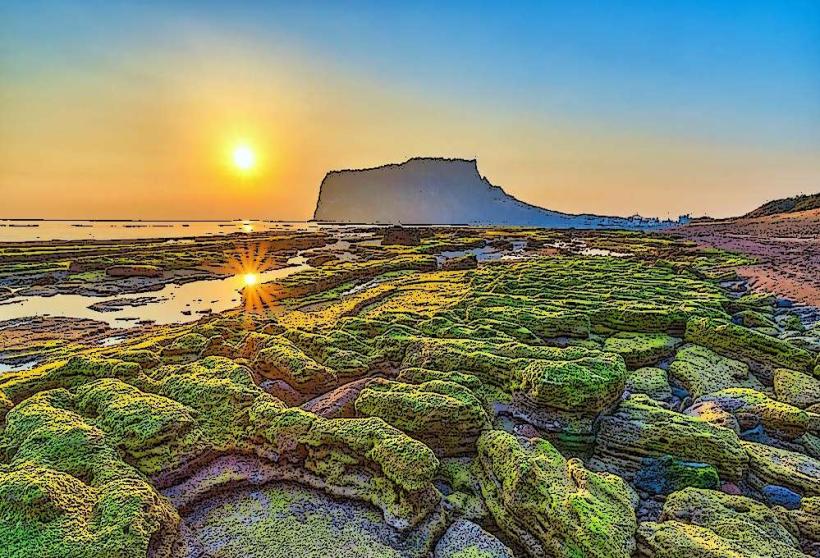
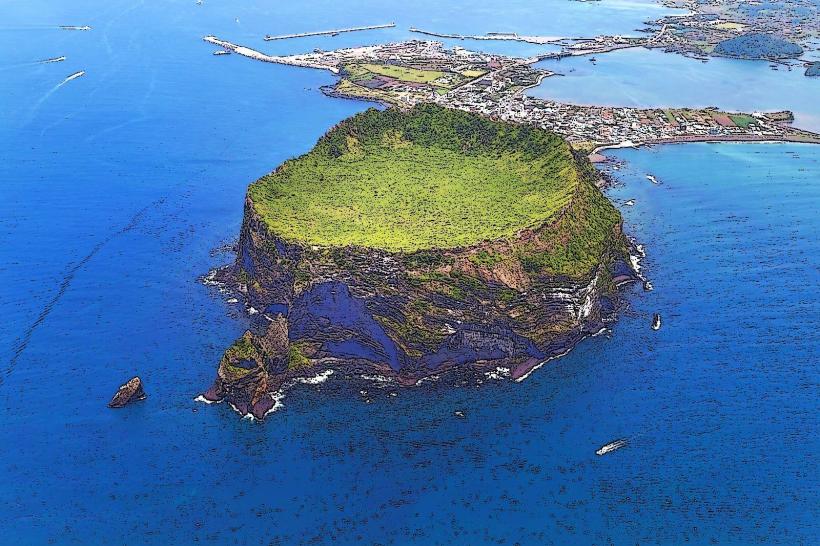
- Seongsan Ilchulbong Peak (Sunrise Peak) - 6km Northeast
- Bijarim Forest - 4km West
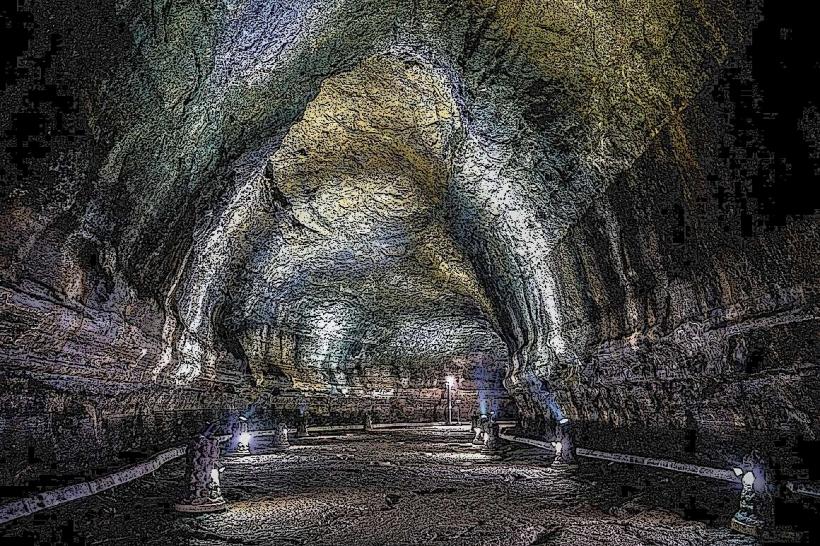
- Manjanggul Cave - 7km Northwest
- Jeju Folk Village - 10km Southwest