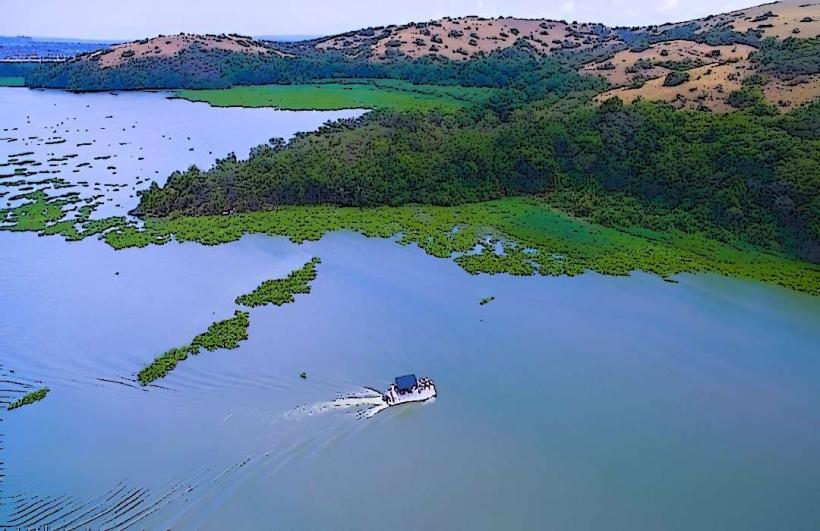
Landmark: Kiboko Bay
City: Kisumu
Country: Kenya
Continent: Africa
Kiboko Bay, Kisumu, Kenya, Africa
Kiboko Bay is a shallow inlet located on the eastern shore of Lake Victoria, adjacent to the city of Kisumu, Kenya.
It is a significant wetland area known for its diverse birdlife and aquatic species.
Visual Characteristics
The bay is characterized by its shallow, often murky, brown water due to sediment runoff. The shoreline consists of muddy banks and areas of dense papyrus reeds and other aquatic vegetation. Scattered patches of open water are interspersed with these reed beds. The surrounding land is generally flat and vegetated with grasses and scattered acacia trees.
Location & Access Logistics
Kiboko Bay is situated approximately 5 kilometers southwest of Kisumu's city center. Access is primarily via the paved road connecting Kisumu to the western parts of the city, specifically along the road leading towards the Hippo Point area. Several unpaved tracks branch off this main road, providing direct access to the bay's edge. Parking is available on the unpaved areas near the shoreline, though it is informal. Public transport options are limited; matatus (minibuses) operate on the main road, requiring a short walk to the bay. Boat access is also possible from Kisumu town, with local fishermen offering transfers.
Historical & Ecological Origin
Kiboko Bay is a natural wetland formation, part of the larger Lake Victoria ecosystem. Its existence is a result of the lake's geological history and ongoing hydrological processes. The bay serves as a crucial breeding and feeding ground for various fish species and a habitat for numerous bird species, including the African fish eagle and various waders. The dense papyrus growth is characteristic of shallow, nutrient-rich freshwater environments common in East Africa.
Key Highlights & Activities
Birdwatching is a primary activity, with binoculars recommended for observing species within the reed beds and open water. Boat trips on the bay offer closer views of wildlife and the surrounding landscape. Fishing is practiced by local communities. Photography of birdlife and the wetland environment is also a common pursuit.
Infrastructure & Amenities
Basic amenities are minimal. There are no formal restrooms or designated picnic areas directly at the bay. Shade is limited to natural tree cover in some peripheral areas. Cell phone signal (4G) is generally available in the vicinity. Food vendors are not typically present at the bay itself, but can be found in Kisumu city or at nearby tourist attractions like Hippo Point.
Best Time to Visit
The best time for birdwatching is generally during the early morning (6:00 AM - 9:00 AM) and late afternoon (4:00 PM - 6:00 PM) when birds are most active. The dry season, from June to September, offers more stable weather conditions and lower water levels, which can make some areas more accessible. During the wet season (November to April), rainfall can be heavy, and water levels may rise, impacting access.
Facts & Legends
Kiboko Bay is named after the Swahili word for "hippopotamus." While hippos are less commonly seen in the bay itself due to human activity and shallow waters, they are known to inhabit deeper parts of Lake Victoria and can occasionally be sighted in the wider vicinity. A specific tip for visitors is to wear waterproof footwear or be prepared for muddy conditions, especially after rainfall.
Nearby Landmarks
- Hippo Point (0.8km North)
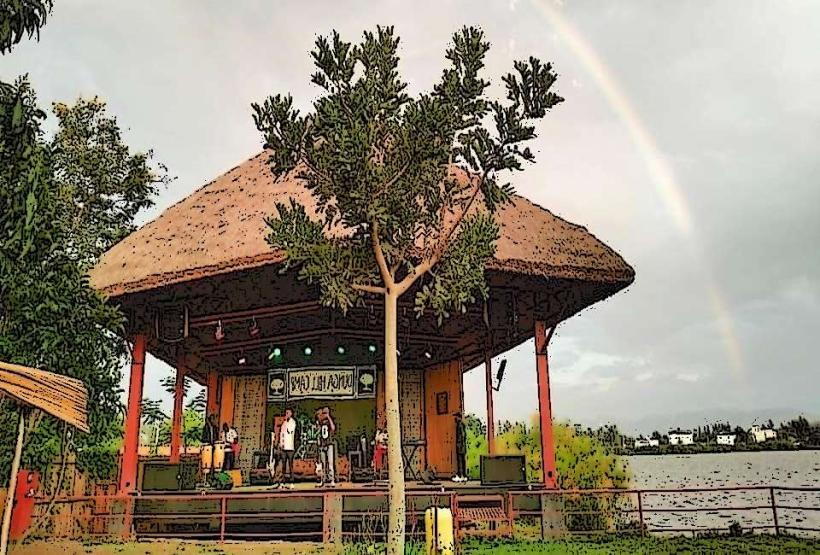
- Dunga Hill Camp (2.5km North)
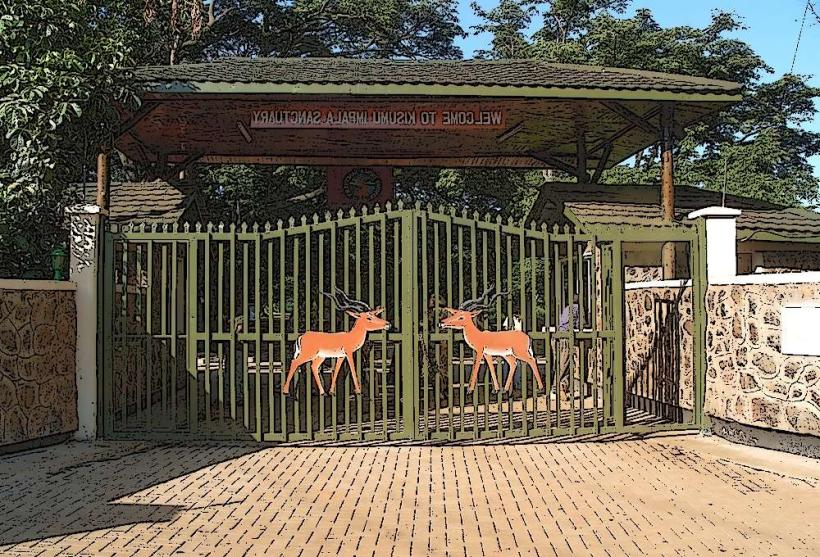
- Kisumu Impala Sanctuary (4.0km Northeast)
- Lake Victoria (Adjacent)
- Tom Mboya Statue (5.0km Northeast)